Why Basic Commands Are Crucial for Your Dog’s Development
Teaching your dog basic commands early can significantly shape their behavior and enhance their overall development. Commands like ‘sit’ and ‘stay’ provide essential structure during a dog’s formative years, fostering obedience and reducing anxiety, which makes them more adaptable to new situations.
Early training plays a vital role in a dog’s socialization and behavior across different environments. By instilling basic commands, dogs learn to interact appropriately with people and other animals, reducing the likelihood of developing behavioral issues later in life. Dogs trained early are generally more well-adjusted and confident.
Furthermore, basic commands enhance the bond between a dog and its owner, fostering trust and communication. When a dog understands and follows commands, it strengthens the relationship, creating a harmonious living environment. This mutual understanding is crucial for a successful long-term companionship.
Foundational commands such as ‘sit’, ‘come’, ‘stay’, ‘down’, and ‘leave it’ are essential for a well-behaved dog, ensuring obedience and safety. According to Camp Bow Wow, these commands form the foundation for more advanced training. Early command training not only aids obedience but also significantly reduces anxiety in dogs, making them more adaptable to new situations.
Top Basic Commands to Teach Early for Dog Obedience
Mastering basic commands is essential for a well-behaved dog, ensuring safety and obedience in various situations. Here is a basic dog commands list that every owner should focus on teaching early:
- Sit: A fundamental command that helps manage your dog’s behavior in public settings.
- Stay: Crucial for keeping your dog in place, preventing it from running into dangerous areas.
- Come: Ensures your dog returns to you, which is vital for safety during outdoor activities.
- Down: Helps in calming your dog and is useful in situations where a relaxed posture is needed.
- Leave it: Prevents your dog from picking up harmful objects, enhancing safety during walks.
Positive reinforcement plays a significant role in teaching these essential dog obedience commands. Rewarding your dog with treats or praise when they successfully follow a command encourages them to repeat the behavior. Consistency is key; regularly practicing these commands will lead to long-term success and a harmonious relationship with your pet.
Sit, Stay, and Come: Foundational Commands
Commands like ‘sit’ and ‘stay’ are not just basic; they are the building blocks for a well-trained dog. Teaching your dog to sit is often the first step because it lays the groundwork for other commands. Use treats and praise to encourage your dog to sit, reinforcing the behavior consistently. The importance of the stay command cannot be overstated, as it prevents dogs from running into dangerous situations. Common challenges include maintaining focus and consistency, but patience and positive reinforcement can overcome these hurdles.
Leave It and Drop It: Commands for Safety
Commands like ‘leave it’ and ‘drop it’ can be lifesavers, preventing dogs from ingesting harmful items. The leave it command for dogs is crucial for keeping them away from toxic substances during walks or playtime. Meanwhile, drop it command training helps avoid choking hazards by ensuring dogs release dangerous objects.
To teach these safety commands for dogs, use positive reinforcement. Start by showing a treat, saying “leave it,” and rewarding them for ignoring it. For “drop it,” offer a more enticing treat when they release an item. These commands can save lives in real-life scenarios, such as when a dog picks up a sharp object.
Heel and Wait: Commands for Controlled Movement
Teaching commands like ‘heel’ and ‘wait’ not only enhances safety but also transforms your walking experience with your dog. The heel command for dogs is crucial for preventing pulling on the leash, ensuring a more enjoyable walk. To teach this, use consistent cues and reward your dog with treats when they walk alongside you.
The wait command training is invaluable in various situations, such as when crossing streets. Reinforce this command by using treats and praise whenever your dog pauses on cue. These controlled movement commands for dogs significantly improve the walking experience for both you and your furry companion.
Step-by-Step Guide to Teaching Basic Dog Commands
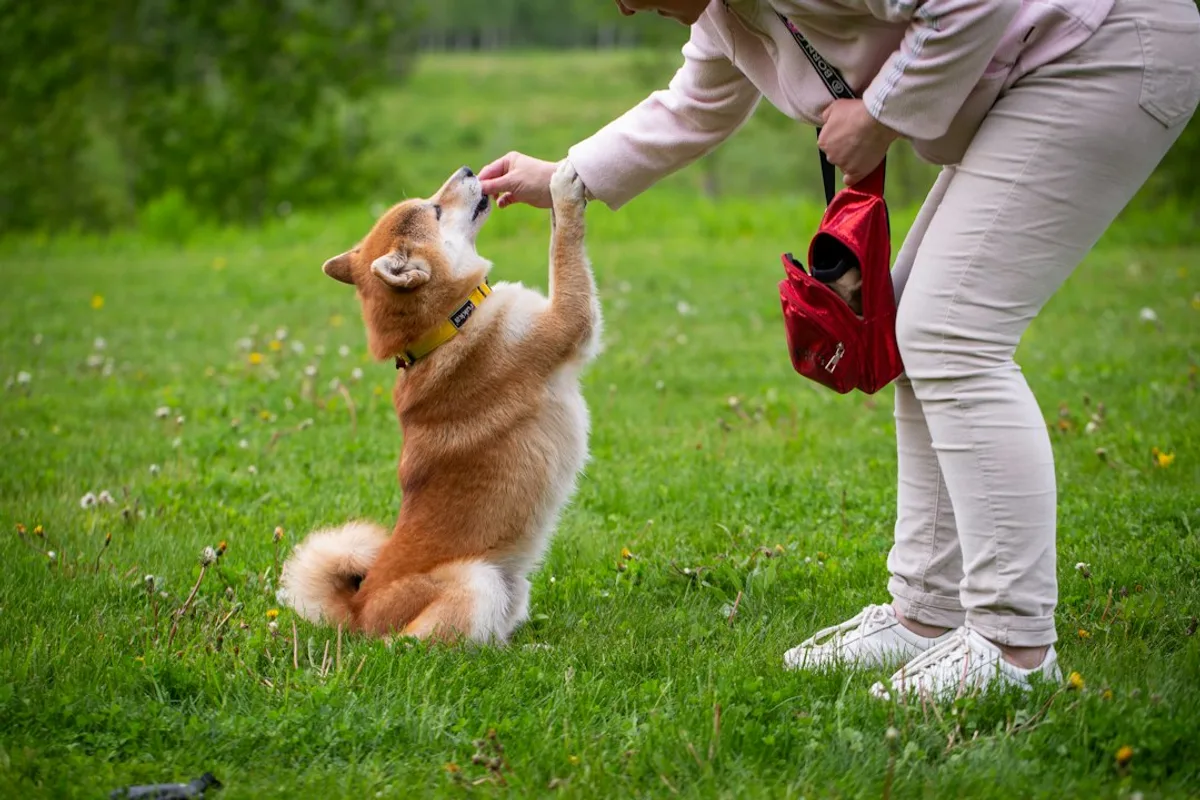
Setting up the right training environment is key to ensuring your dog learns commands effectively. Preparing for dog training involves several crucial steps that lay the foundation for success.
- Choose the Right Environment: Opt for a quiet, distraction-free area where your dog can focus on learning. This setup minimizes interruptions and enhances concentration.
- Gather Essential Tools: Equip yourself with treats, clickers, and a sturdy leash. These tools are vital for reinforcing positive behavior and guiding your dog through the commands.
- Establish a Routine: Consistency is crucial. Set regular training times to help your dog anticipate and adapt to learning sessions, fostering better retention of commands.
- Practice Patience: Understand that learning takes time. Be patient and supportive, as this encourages your dog to engage positively with the training process.
By preparing your environment and using the right tools, you create an optimal setting for your dog to master basic commands like “sit,” “stay,” and “come” effectively.
Preparing Your Training Environment
The right training environment can make all the difference in how quickly and effectively your dog learns commands. Consider these factors when preparing your space:
- Noise Levels: Choose a quiet area to minimize distractions.
- Space: Ensure there is enough room for movement.
- Timing: Select a time when your dog is alert and receptive.
- Atmosphere: Use familiar toys or treats to create a positive space.
- Consistency: Maintain a consistent environment to reinforce learning.
A calm and familiar environment can significantly enhance a dog’s ability to focus and learn new commands effectively. For more tips on basic commands, visit Eukanuba’s guide.
Step-by-Step Process for Each Command
Teaching your dog commands can be straightforward when you follow a clear, step-by-step process. Here’s how to teach basic commands like ‘sit’, ‘stay’, and ‘come’ effectively:
- Sit: Hold a treat above your dog’s head and move it back towards their tail. As they sit, say “sit” and reward them with the treat.
- Stay: Ask your dog to sit, then open your palm in front of their face and say “stay”. Step back, and if they remain, reward them.
- Come: Use a leash initially. Say “come” and gently pull them towards you, rewarding them when they reach you.
Use positive reinforcement by rewarding with treats or praise immediately after they perform the command. Recognize mastery when your dog consistently obeys without hesitation. Avoid common mistakes like inconsistent commands or training when your dog is distracted.
Breaking down each command into manageable steps can help prevent frustration for both the dog and the owner during training.
Tracking Progress and Adjusting Techniques
Monitoring your dog’s training progress is essential for adapting techniques and ensuring effective learning. Regularly assessing a dog’s progress allows owners to tailor their training approach, ensuring continued development and success. Here’s how you can track your dog’s training progress:
- Maintain a training log: Document each session’s achievements and setbacks to identify patterns and areas needing improvement.
- Adjust techniques: Modify your approach based on your dog’s response to commands, ensuring they remain engaged and motivated.
- Celebrate small victories: Recognize and reward minor successes to boost motivation for both you and your dog.
Avoiding Common Dog Training Mistakes
Avoiding common training mistakes can dramatically improve your dog’s learning experience and overall behavior. One frequent error is inconsistency in commands and cues, which can confuse dogs and significantly hinder their learning process. For example, using different words or gestures for the same command can leave your dog puzzled and less responsive.
Another common dog training mistake involves the use of negative reinforcement. This approach can create fear and anxiety in dogs, making them less willing to engage in training. Instead, focus on positive reinforcement, rewarding your dog with treats or praise when they successfully follow a command like “sit” or “stay.” Positive reinforcement is proven to be more effective in fostering a cooperative learning environment.
Setting realistic expectations is also crucial. Understand that mastering basic commands takes time and patience. By avoiding these training pitfalls, you can create a more effective and enjoyable training process for both you and your dog.
Inconsistent Commands and Confusing Signals
Inconsistent commands can derail your dog’s training, leading to confusion and frustration for both of you. When different words are used for the same action, dogs struggle to understand what is expected, hindering their learning process. For example, using “come” one day and “here” the next can bewilder your pet. To avoid this, maintain consistency by using clear, uniform signals. Employing consistent cues ensures your dog responds appropriately and strengthens your training efforts.
Overcoming Frustration and Maintaining Patience
Training a dog can be frustrating, but maintaining patience and a positive attitude is key to success. Emotional challenges like frustration and impatience often arise during training sessions. To overcome frustration in dog training, it’s essential to manage stress through techniques such as deep breathing or briefly stepping away. Taking breaks is crucial to avoid burnout for both you and your dog. Maintaining a calm demeanor fosters a positive learning environment, enhancing your dog’s ability to learn basic commands effectively.
How the 3-3-3 Rule Enhances Dog Training Success
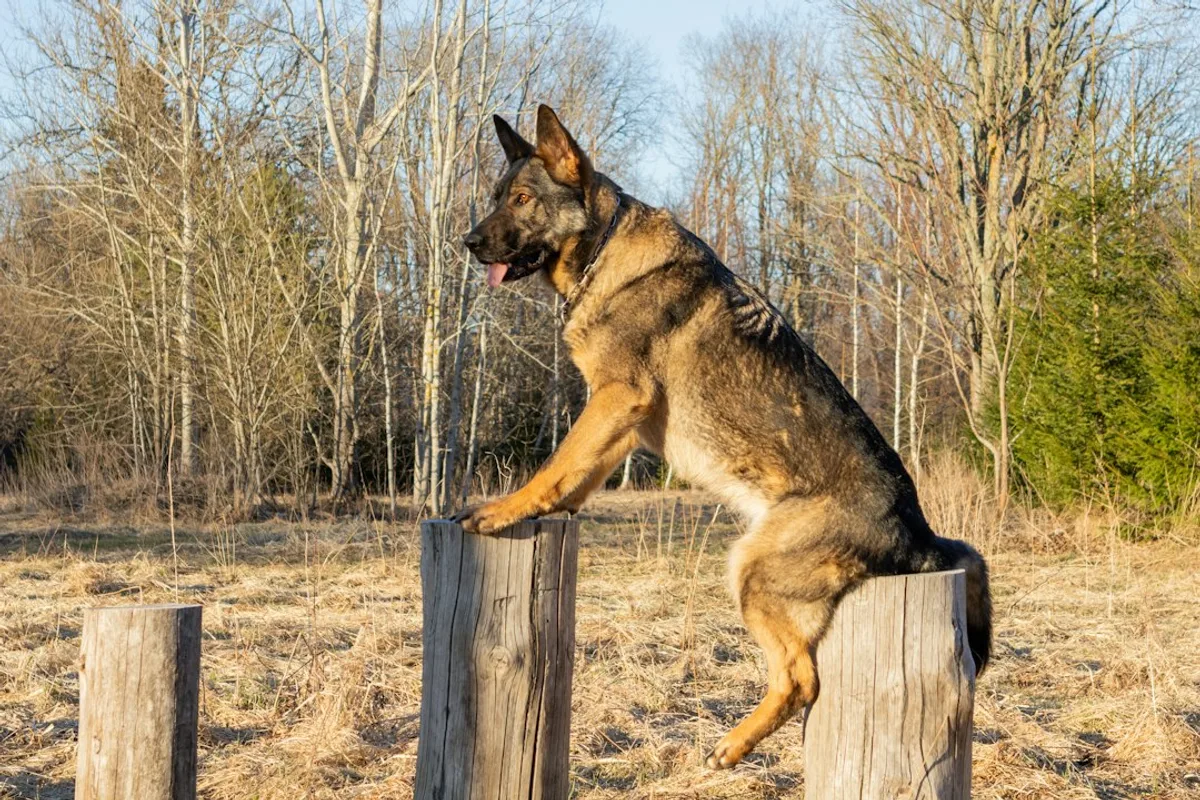
The 3-3-3 rule provides a framework for understanding your dog’s adjustment period, enhancing training effectiveness. This rule outlines three stages of adjustment for newly adopted dogs: the first 3 days, 3 weeks, and 3 months. Understanding these phases helps owners manage expectations and recognize behavior changes.
- First 3 Days: During this initial phase, dogs may feel overwhelmed and anxious. Focus on creating a calm environment and introducing basic commands like “sit” and “stay”.
- First 3 Weeks: As dogs begin to settle, they start to understand their new routine. This is an ideal time to reinforce commands such as “come” and “leave it”, promoting obedience and safety. Learn more.
- First 3 Months: By this stage, dogs are more comfortable and responsive. Consistent training with commands like “down” and “stay” enhances their learning and builds trust.
Patience and consistency are crucial throughout the dog adjustment period, ensuring a smoother transition and more successful training outcomes.
The Phases of the 3-3-3 Rule
The 3-3-3 rule outlines key phases of adjustment for dogs, providing insights into their behavior during training. Understanding these phases can help owners tailor their training approach to meet their dog’s evolving needs.
- First Three Days: Expect nervousness and exploration. Be patient and provide a calm environment.
- First Three Weeks: Dogs begin to settle and show more personality. Reinforce basic commands like sit and stay.
- First Three Months: Dogs start feeling at home. Consistent training and patience are key to solidifying good behavior.
Applying the 3-3-3 Rule to Basic Commands
Applying the 3-3-3 rule to basic commands can enhance your dog’s learning experience during their adjustment period. This approach aligns training with the dog’s comfort and learning pace.
- First 3 Days: Focus on simple commands like “sit” and “come” to establish basic communication.
- Next 3 Weeks: Gradually introduce “stay” and “leave it” as the dog becomes more settled.
- Following 3 Months: Reinforce all commands consistently, adapting techniques to the dog’s progress.
Adapting your training methods based on the dog’s progress through these phases ensures a smoother learning curve.
Unique Training Challenges and Solutions
Every dog is unique, and understanding their specific challenges can lead to more effective training strategies. One common challenge is dealing with breed-specific behaviors. For instance, herding breeds may naturally want to chase or nip, requiring tailored approaches to redirect these instincts positively. Recognizing these breed-specific traits can help owners tailor their training methods, leading to more effective outcomes.
Past traumas also present unique dog training challenges. Dogs with a history of neglect or abuse may exhibit fear or anxiety, making it essential to adapt training techniques for dogs with such backgrounds. Using positive reinforcement and patience can help build trust and encourage learning.
For example, a rescue dog with a fear of loud noises might benefit from gradual desensitization techniques, while a high-energy breed like a Border Collie might require more physical and mental stimulation during training sessions. Understanding a dog’s background and individual needs is crucial in adapting training techniques to ensure success.
Addressing Short Attention Spans
Short attention spans can be a hurdle in dog training, but there are effective strategies to keep your dog focused and engaged. Managing dog attention span involves breaking commands into smaller, manageable steps. For example, teaching “sit” can begin with simply rewarding your dog for lowering their hindquarters.
Incorporating play and interactive elements into training can significantly improve focus and retention of commands. Using toys or treats as rewards during training sessions keeps dogs engaged and makes learning fun. Training techniques for distracted dogs often include short, varied sessions to maintain interest.
Adapting to Different Learning Styles
Understanding your dog’s learning style can transform your training approach, making it more effective and enjoyable. Dogs, like humans, can be visual, auditory, or kinesthetic learners. Identifying whether your dog responds better to hand signals, verbal commands, or physical cues allows you to tailor training methods accordingly. For instance, visual learners may excel with hand gestures, while auditory learners benefit from clear verbal cues. Flexibility in adapting training techniques for different dogs is crucial for command retention and successful sessions.
FAQs About Basic Dog Commands and Training

Understanding FAQs about dog commands is crucial for new owners. These insights guide you through effective training, enhancing your experience and your dog’s behavior. For example, foundational commands like ‘sit’ and ‘stay’ are essential. Explore detailed answers to common questions here.
What Age Should I Start Teaching Commands?
Starting command training early can lay a solid foundation for your dog’s future behavior and obedience. Puppies can begin learning basic commands such as “sit” and “stay” as early as 7-8 weeks old. This period is crucial as it coincides with their critical socialization phase, which lasts until about 16 weeks. During this time, puppies are naturally curious and eager to learn, making it the best age to train puppies and establish good habits.
Beginning dog training early not only capitalizes on their receptiveness but also helps prevent behavioral issues later in life. For personalized advice, it’s wise to consult a veterinarian or professional trainer who can tailor the training timeline to your puppy’s specific breed and temperament. This approach ensures that your puppy’s training is both effective and enjoyable.
How Long Should Training Sessions Last?
Finding the right duration for training sessions can significantly impact your dog’s learning success. Ideally, training sessions should last between 5 to 15 minutes, tailored to your dog’s age and attention span. Short, engaging training sessions help maintain a dog’s interest and make learning more effective, especially for younger dogs. Frequent, brief sessions are more beneficial than longer, infrequent ones, particularly for puppies who may have shorter attention spans.
Monitoring your dog’s engagement level is crucial—if they start to lose interest, it’s time to end the session. Incorporating playtime or breaks can help sustain focus and make training enjoyable. By keeping sessions concise and fun, you ensure that your dog remains eager to learn foundational commands like “sit,” “stay,” and “come,” which are essential for obedience and safety.
What If My Dog Doesn’t Respond to Commands?
If your dog isn’t responding to commands, it may be time to reassess your training approach and environment. Start by evaluating the surroundings for potential distractions or stressors that might be affecting your dog’s focus. Sometimes, using different commands or cues can resonate better with your dog, leading to improved response.
Consider the training methods you’re employing. Positive reinforcement, such as treats or praise, is often more effective than negative methods in addressing training issues with dogs. If your dog not responding to commands persists, consulting a professional trainer can be beneficial. They can offer tailored strategies to help improve your dog’s command response. Understanding the reasons behind a dog’s lack of response can help owners adjust their training strategies for better results.
Can Older Dogs Learn Basic Commands?
It’s never too late for an older dog to learn basic commands, with the right approach and patience. Older dogs can indeed learn new commands, but training methods may need to be adjusted to suit their experience level. Patience is crucial, as older dogs might take longer to adapt due to established habits. Positive reinforcement is essential in training older dogs, as it encourages learning and builds their confidence.
Before starting, it’s advisable to consult with a veterinarian to ensure there are no underlying health issues that could affect training. Foundational commands such as “sit,” “stay,” and “come” are important for all dogs, including seniors. With tailored methods and consistent practice, senior dogs can successfully learn commands and enjoy a more fulfilling life.
Key Takeaways About Teaching Basic Commands Early
Teaching basic commands early sets the foundation for a well-behaved dog and a strong owner-pet bond. Introducing commands such as “sit,” “stay,” “come,” and “leave it” at a young age is crucial for establishing obedience and safety. These foundational commands help in managing your dog’s behavior, making everyday interactions smoother and more enjoyable.
Consistent training is key to success. Adapting techniques to fit your dog’s unique personality and learning style ensures that training is effective and engaging. For instance, some dogs may respond better to positive reinforcement, while others might benefit from a structured routine. Understanding these nuances can significantly enhance the training process.
Patience and understanding are vital components of dog training. Progress may be gradual, and setbacks are normal. However, maintaining a calm and supportive approach encourages your dog to learn and thrive. Early training not only establishes good behavior but also strengthens the bond between the dog and owner, leading to a harmonious relationship.
Starting training early provides the best outcomes, setting your dog up for a lifetime of good habits. By investing time and effort into teaching basic commands, you lay the groundwork for a rewarding and fulfilling companionship. Embrace the journey of training with dedication and watch as your dog grows into a well-mannered and loving companion.