What Makes Medium-Sized Dog Breeds Stand Out
Have you ever wondered what truly sets medium-sized dog breeds apart from their larger and smaller counterparts? Medium-sized dog breeds are typically defined by their weight range, which falls between 20-60 pounds. This size offers a unique balance of energy and calmness, making them ideal for both active and laid-back households.
These breeds are incredibly versatile, fitting seamlessly into various lifestyles and adapting well to different living environments, from apartments to larger homes. Now that we understand what makes these breeds unique, let’s explore some of the most popular medium-sized dog breeds and their distinctive traits.
Popular Medium-Sized Dog Breeds and Their Unique Traits
From the playful Beagle to the loyal Bulldog, medium-sized dog breeds offer a diverse array of traits and personalities. Popular medium-sized dog breeds like the Beagle, Bulldog, and Cocker Spaniel are known for their unique characteristics. Beagles have a short coat and are highly energetic, while Bulldogs are more laid-back with a distinctive wrinkled appearance. Despite their popularity, these breeds are often overlooked in favor of smaller or larger dogs.
According to AKC registrations, these breeds consistently rank high in popularity. However, many potential pet owners remain unaware of their suitability for families. Next, we will delve deeper into the specific characteristics of these top breeds.
Top Breeds and Their Characteristics
Each medium-sized dog breed has its own unique set of characteristics that can fit various lifestyles perfectly. Understanding the traits of these breeds can help in choosing the right companion.
- Australian Shepherd: Weighs 40-65 lbs, stands 18-23 inches tall. Known for herding, high intelligence, and energy. Commonly seen in blue merle, black, red merle, or red.
- Border Collie: Weighs 30-55 lbs, stands 18-22 inches tall. Renowned for herding skills, agility, and alertness. Typically black and white, but can also be merle or tricolor.
Understanding their traits leads us to examine the temperament and behavior of these breeds.
Temperament and Behavior Traits
When considering a medium-sized dog, understanding their temperament is crucial to ensure a harmonious match with your lifestyle. Many medium-sized breeds, like the Labrador Retriever and Cocker Spaniel, are known for their friendliness and loyalty. These breeds often display a unique blend of playfulness and calmness, making them suitable for both active and relaxed environments.
Labrador Retrievers are famously energetic and require ample socialization, thriving in family settings. In contrast, Cocker Spaniels, while also friendly, tend to be more adaptable to quieter households. Understanding the medium-sized dog temperament helps in selecting the right companion.
Next, we will look into the historical backgrounds of these popular breeds to understand their origins.
Historical Background of Popular Breeds
Understanding the history of medium-sized dog breeds can reveal much about their behavior and suitability for various lifestyles today. Many of these breeds, such as the Border Collie and Beagle, originated as herding and hunting dogs, respectively. Their origins in specific geographical regions have shaped their adaptability to different climates and environments.
The Border Collie, for instance, was developed in the border region between England and Scotland, where its herding instincts were honed. Similarly, the Beagle has roots in England, where it was used for hunting small game. These historical roles influence their modern traits, such as intelligence and energy levels.
With a firm grasp on their backgrounds, let’s discuss the grooming, exercise, and health needs of these breeds.
Grooming, Exercise, and Health Needs of Medium Breeds
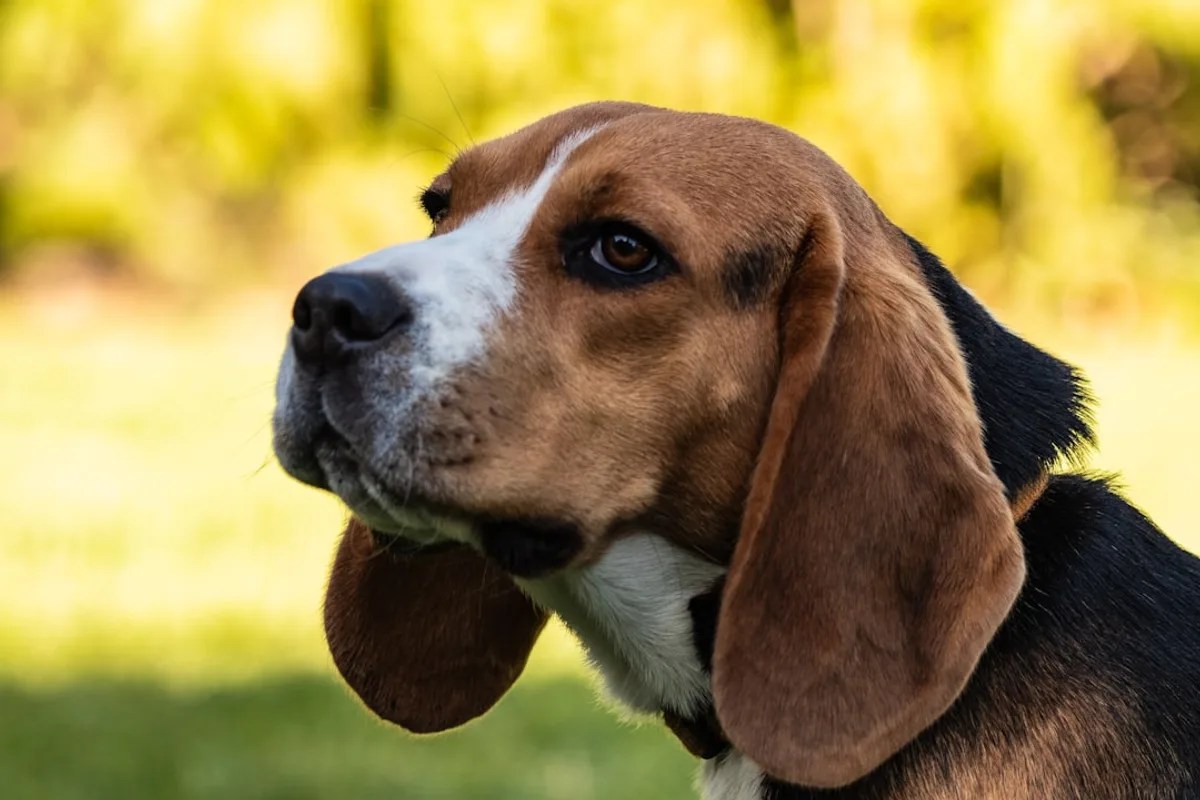
Owning a medium-sized dog comes with specific grooming, exercise, and health responsibilities that every prospective owner should understand. Many medium-sized dog grooming needs are less demanding than those of smaller breeds, with weekly brushing often sufficient for breeds like the Beagle. However, breeds such as the Cocker Spaniel may require more frequent grooming.
Exercise requirements for medium breeds can vary significantly. Active breeds like the Border Collie benefit from at least an hour of vigorous activity daily, while less active breeds may need only moderate walks. Common health concerns for medium-sized dogs include hip dysplasia and obesity, so regular vet check-ups and a balanced diet are crucial.
Now that we’ve covered the essentials, let’s explore which medium-sized breeds are best suited for families and apartment living.
Grooming Essentials for Medium Breeds
Proper grooming is crucial for the health and happiness of medium-sized dogs, but what exactly do you need to know? Regular grooming not only keeps a dog’s coat healthy but also strengthens the bond between the pet and owner through shared activities.
Essential grooming tools for medium dogs include a slicker brush for detangling, a bristle brush for smooth coats, and a comb for finishing touches. Regular grooming techniques for medium breeds involve brushing at least twice a week and bathing monthly to maintain hygiene.
While professional grooming services offer convenience, grooming at home can be a rewarding experience. For more tips on grooming, check out AKC’s grooming tips.
With grooming covered, let’s discuss the exercise requirements and tips for keeping medium-sized dogs active.
Exercise Requirements and Tips
Understanding the exercise needs of medium-sized dogs is vital to keeping them healthy and happy—so how much do they really need? Medium-sized dogs often require about 60 to 90 minutes of physical activity daily. Activities like running, hiking, or playing fetch are excellent choices. Additionally, incorporating mental challenges, such as agility training, can enhance their well-being.
Next, we’ll explore common health concerns and preventive care for medium-sized breeds.
Common Health Concerns and Preventive Care
When considering a medium-sized dog, being aware of potential health issues can significantly impact your pet’s quality of life—what should you know? Common health concerns for medium dogs include hip dysplasia and obesity. Many medium-sized breeds are prone to these genetic health issues, making regular veterinary check-ups and vaccinations essential for early detection and preventive care.
To maintain optimal health, ensure a balanced diet and regular exercise tailored to your dog’s needs. With health concerns addressed, let’s identify the best medium-sized breeds for families and apartment living.
Best Medium-Sized Breeds for Families and Apartments
Finding the perfect family dog can be challenging, but some medium-sized breeds stand out as exceptional companions for children. These family-friendly medium dog breeds offer a blend of temperament and adaptability, making them ideal for households with kids and other pets.
- Labrador Retriever: Friendly and highly trainable, these dogs are often recommended for families.
- Beagle: Known for their gentle nature and compatibility with children.
- Bulldog: Calm and courageous, they adapt well to family dynamics.
Next, we’ll explore which medium-sized breeds adapt well to apartment living.
Family-Friendly Medium Breeds
When it comes to family life, not all medium-sized dogs are created equal—some truly shine as companions for children. Breeds like the Basset Hound and Bulldog are renowned for their gentle and friendly nature, making them ideal for families. These medium-sized dogs are good with kids, offering patience and affection.
For active families, the playful Beagle is one of the best family dogs medium-sized, providing endless entertainment. To integrate a friendly medium dog breed into your home, ensure consistent training and socialization. Now, let’s examine which medium-sized breeds are best suited for apartment living.
Apartment Living: Breeds That Adapt Well
Living in an apartment doesn’t mean you can’t have a medium-sized dog—some breeds are perfectly suited for smaller spaces. The French Bulldog and Shiba Inu are excellent examples of medium-sized dogs for apartments. These adaptable medium dog breeds have lower exercise requirements, thriving with indoor play and short walks, making them the best apartment dogs medium size.
Finally, let’s discuss essential training and socialization tips for medium-sized dogs.
Training and Socialization Tips
Training a medium-sized dog can be a rewarding experience—what strategies can help ensure success? Start with obedience training for medium dogs using positive reinforcement techniques. These methods, such as treats and praise, enhance learning and strengthen bonds. Early exposure to varied environments is crucial, as it helps in socialization and builds confidence in medium breeds.
Now that we’ve covered training, let’s compare different medium-sized breeds to help you find the perfect match.
Comparing Medium-Sized Dog Breeds: Which Is Right for You?

Choosing the right medium-sized dog breed involves more than just preference—what key criteria should you consider? Understanding your lifestyle and preferences can significantly narrow down the best medium-sized breed for your home, making the selection process smoother.
| Criteria | Considerations |
|---|---|
| Lifestyle | Urban vs. rural living, space availability |
| Activity Level | Daily exercise needs, energy levels |
| Family Dynamics | Children, other pets, allergies |
To prioritize traits, assess your needs with this checklist. Let’s take a closer look at side-by-side comparisons of popular medium-sized breeds.
Key Criteria for Choosing a Breed
When it comes to choosing a medium-sized dog, understanding your own lifestyle is just as important as knowing the breed—what should you evaluate? Consider the following medium-sized dog selection criteria:
| Criteria | Considerations | Example Breeds |
|---|---|---|
| Energy Level | Match with your activity level to avoid mismatched expectations. | Border Collie, Beagle |
| Grooming Needs | Assess time commitment for grooming. | Cocker Spaniel, Shetland Sheepdog |
| Temperament | Ensure compatibility with family dynamics. | Basset Hound, Bulldog |
Now, let’s look at side-by-side comparisons of popular medium-sized breeds to aid in your decision.
Side-by-Side Breed Comparisons
When it comes to choosing the right medium-sized dog, seeing them side by side can illuminate key differences—how do they stack up against each other? A medium-sized dog breed comparison can reveal essential traits such as size, temperament, and exercise needs, helping potential owners make informed decisions.
| Breed | Size | Temperament | Exercise Needs | Pros | Cons | ||||
|---|---|---|---|---|---|---|---|---|---|
| Beagle | 20-30 lbs | Friendly | High | Great with families | Prone to barking | ||||
| Bulldog | 40-50 lbs | Calm | Low | Good for apartments | Health issues | ||||
| Border Collie | 30-45 lbsMaking the Final Decision: Factors to Consider
Deciding to bring a medium-sized dog into your home is a big step—what final factors should you consider before making that commitment? Many prospective dog owners underestimate the long-term commitment involved in dog ownership, which can lead to regret down the line.
Living with Medium-Sized Dogs: Real ExperiencesWhat do real owners have to say about their experiences with medium-sized dogs? Their stories might surprise you! Many medium-sized dog owner testimonials highlight the perfect balance these pets offer between companionship and independence. One owner shared how training their Border Collie was both a challenge and a joy, ultimately leading to a deep bond. The emotional rewards of living with medium dogs are often profound, as they fit seamlessly into busy lifestyles. Next, we’ll explore the challenges and rewards that come with owning medium-sized breeds.Owner Testimonials and StoriesThe stories of dog owners can provide invaluable insights—what do they love most about their medium-sized companions? Medium dog owner stories often highlight the adaptability and companionship these breeds offer. One owner shared how their Border Collie enriched family life, while another praised a Beagle for its gentle nature. These positive experiences with medium-sized dogs emphasize their ability to fit various lifestyles. While many experiences are positive, it’s also important to understand the challenges that come with owning medium-sized dogs.Challenges and Rewards of Medium BreedsOwning a medium-sized dog can be incredibly rewarding, but it’s not without its challenges—what should potential owners be aware of? Training and exercise demands are common challenges of medium-sized dog ownership. However, the rewards of owning medium breeds, such as loyalty and companionship, often outweigh these hurdles.
FAQs About Medium-Sized Dog Breeds
What is the average lifespan of medium-sized dogs?How long can you expect your medium-sized dog to live? Understanding their lifespan is crucial for potential owners. The average lifespan of medium-sized dogs typically ranges from 10 to 15 years. Interestingly, medium-sized dogs often have longer lifespans compared to larger breeds, making them appealing for long-term companionship. Factors such as breed, genetics, and health care significantly influence lifespan. Ensuring regular veterinary check-ups, a balanced diet, and ample exercise can extend a dog’s life. Next, let’s address whether medium-sized dogs are good with children.Are medium-sized dogs good with children?Wondering if a medium-sized dog can be a good fit for your family? Let’s explore their compatibility with children. Research shows that medium-sized breeds often exhibit a balanced temperament, making them suitable companions for children when properly socialized. Breeds like Beagles and Cocker Spaniels are known for being family-friendly.
How much space do medium-sized dogs need?How much space does a medium-sized dog really need to thrive? Let’s break down the essentials for potential owners. Medium-sized dogs can adapt to various living environments, from apartments to houses with yards. While they don’t require vast spaces, ensuring they have room for exercise and mental stimulation is crucial for their well-being.
Do medium-sized dogs shed a lot?Shedding can be a major concern for dog owners—how much do medium-sized dogs actually shed? Shedding patterns vary among medium-sized breeds. For instance, while breeds like the Beagle and Cocker Spaniel shed moderately, the Poodle is surprisingly hypoallergenic. Regular grooming, using de-shedding tools, and maintaining a healthy diet can effectively manage medium-sized dog shedding.
What are the feeding requirements for medium breeds?What should you feed your medium-sized dog to keep them healthy and happy? Let’s explore their dietary needs. Feeding medium-sized dogs involves providing balanced meals with appropriate portion sizes, typically 1 to 2 cups of high-quality dog food daily. Nutritional needs for medium breeds vary by age and breed, with some requiring specialized diets due to health concerns or activity levels. Establishing a consistent feeding routine helps maintain their health. With all this information, let’s summarize the key takeaways about medium-sized dog breeds.Key Takeaways About Medium-Sized Dog BreedsAs we conclude our exploration of medium-sized dog breeds, what are the key insights you should take away? These breeds, defined by their balanced size, offer a perfect mix of companionship and manageability. Popular choices include breeds like the Cocker Spaniel and Border Collie, each with unique traits. Understanding breed characteristics, health needs, and lifestyle compatibility is crucial. This knowledge can significantly enhance the ownership experience, leading to happier pets and owners. Consider your own circumstances carefully when selecting a breed to ensure a harmonious match. |