Small Dog Breeds: Key Traits and Impact on Lifestyle
Are you curious about how small dog breeds can fit into your lifestyle? These charming companions, typically weighing under 20 lbs, are known for their adaptability, friendliness, and intelligence, making them a popular choice for many households. Approximately 30% of dog owners prefer small breeds due to their manageable size and vibrant personalities.
One of the most appealing characteristics of small dog breeds is their adaptability. Unlike larger breeds, small dogs can comfortably thrive in various living situations, including urban apartments and homes with limited space. This adaptability makes them ideal for city dwellers and those with a dynamic lifestyle.
Small dog breeds are celebrated for their friendly nature. They often form strong bonds with their owners and are generally sociable with other pets and people, enhancing their suitability for families and individuals alike.
Intelligence is another hallmark of small dog breeds. Many are quick learners, making training a rewarding experience. Their keen intellect allows them to engage in various activities, from agility courses to simple tricks, keeping both their minds and bodies active.
Now that we understand the key traits, let’s explore some popular and unique small dog breeds.
Popular and Unique Small Dog Breeds to Consider
Looking for a small dog that stands out? Here are some breeds you might love! Among the popular small dog breeds, the Chihuahua is known for its bold personality and loyalty. The Pomeranian boasts a fluffy coat and lively nature, while the Dachshund is adored for its playful spirit and distinctive long body.
On the unique side, the Morkie has seen a surge in popularity recently. This delightful mix of Maltese and Yorkshire Terrier offers a hypoallergenic coat and a friendly demeanor. Another unique small dog breed is the Papillon, recognized for its butterfly-like ears and intelligent, energetic nature.
Recent surveys and registries indicate that while Chihuahuas remain a staple among small dog breed profiles, breeds like the Morkie are gaining traction, especially in urban settings where their size and temperament are ideal for apartment living.
Next, we’ll delve deeper into the most popular small dog breeds.
Top Popular Small Dog Breeds
Curious about which small dog breeds top the charts in popularity? Let’s find out!
- French Bulldog: Weighs 16-28 lbs, stands 11-12 inches tall. Known for its affectionate nature and low exercise needs. Perfect for busy owners and recognized in popular dog breeds 2023.
- Pomeranian: Weighs 3-7 lbs, stands 6-7 inches tall. Energetic with moderate grooming needs. Ideal for families and frequently wins awards in dog shows.
- Cavalier King Charles Spaniel: Weighs 13-18 lbs, stands 12-13 inches tall. Gentle, with moderate exercise needs, making it one of the best small dog breeds for first-time owners.
Now, let’s explore some lesser-known small dog breeds that could be perfect for you.
Lesser-Known Small Dog Breeds You Might Love
Think you know all the small dog breeds? Here are some hidden gems you might not have considered! The Coton de Tulear and the American Eskimo Dog are lesser-known small dog breeds with unique characteristics. Many, like the Coton de Tulear, are friendly and require low grooming, making them excellent companions for various lifestyles.
With these unique breeds in mind, let’s discuss how to choose a breed based on temperament and activity level.
Choosing a Breed Based on Temperament and Activity Level
Choosing the right small dog breed can be a game-changer—how do you find the perfect match? Matching dog temperament and activity level with your lifestyle is crucial. For active families, breeds like the Jack Russell Terrier thrive, while quieter households might prefer a Cavalier King Charles Spaniel.
| Breed | Energy Level | Temperament |
|---|---|---|
| Jack Russell Terrier | High | Energetic, Intelligent |
| Cavalier King Charles Spaniel | Moderate | Gentle, Affectionate |
| French Bulldog | Low | Easygoing, Sociable |
Understanding a breed’s activity level can prevent mismatches; for instance, a highly energetic breed like the Jack Russell Terrier may not suit a sedentary lifestyle. Now that we’ve covered breed selection, let’s look at the best small dog breeds for apartments and families.
Finding the Perfect Small Dog for Apartments and Families
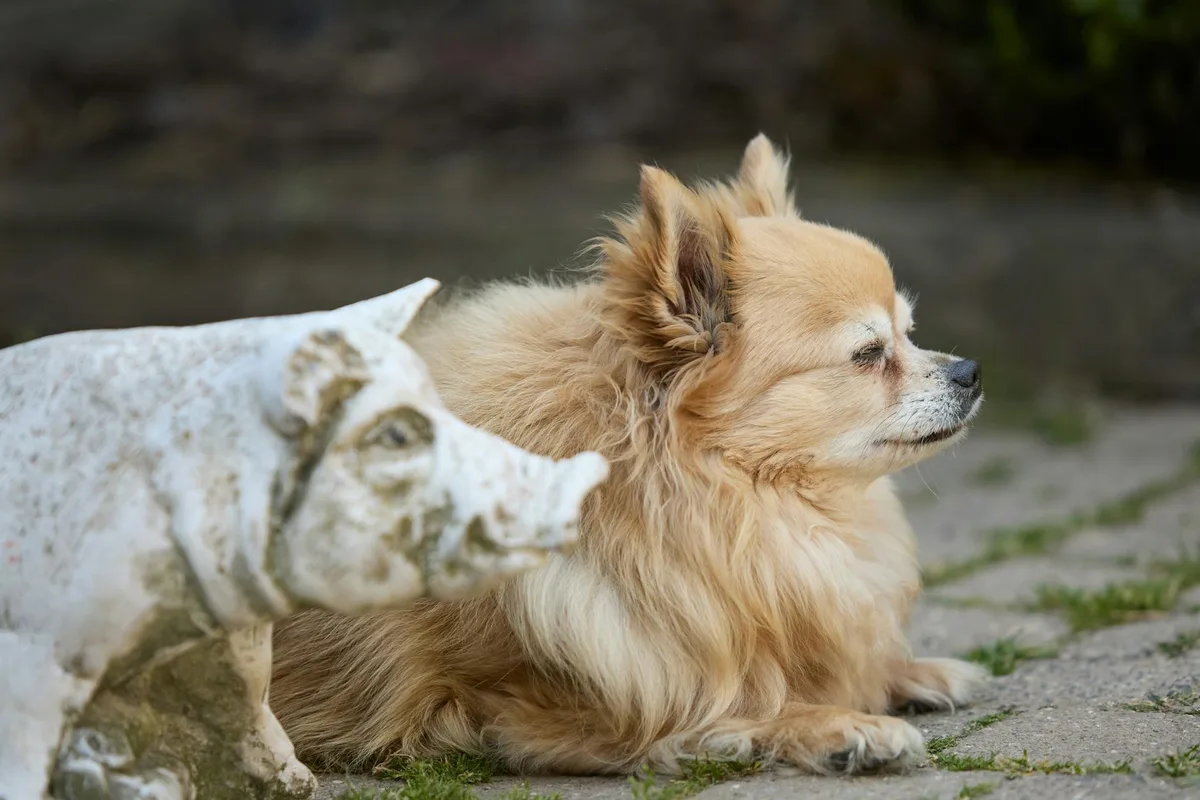
Wondering which small dog breeds can thrive in an apartment setting? Here’s what you need to know! Small dog breeds often adapt well to apartment living due to their modest space requirements and typically lower noise levels. Breeds like the French Bulldog and Pug are excellent choices, known for their calm demeanor and minimal exercise needs, making them the best apartment dogs.
To ensure a harmonious living with small dogs in apartments, consider creating a dog-friendly environment by providing cozy sleeping areas and interactive toys to keep them engaged. Regular walks and playtime are essential, especially for breeds like the Cavalier King Charles Spaniel, which require frequent socialization to prevent separation anxiety.
- French Bulldog: Low energy, minimal barking.
- Pug: Adaptable, friendly, and compact.
- Cavalier King Charles Spaniel: Sociable, requires companionship.
Next, we’ll explore family-friendly small dog breeds that are great companions for kids.
Best Small Dog Breeds for Apartment Living
Searching for a small dog that fits perfectly in your apartment? Here are the best options!
- Shih Tzu: Known for their adaptability, they thrive in limited spaces.
- Boston Terrier: Energetic yet compact, ideal for city living.
- Bichon Frise: Hypoallergenic and perfect for allergy sufferers.
Owners rave about these apartment-friendly small dog breeds, highlighting their easygoing nature and ability to cope with confined areas. Now, let’s shift our focus to small dog breeds that are family-friendly.
Family-Friendly Small Dog Breeds
Want a small dog that will fit right in with your family? Here are the top breeds to consider! The Beagle and Cavalier King Charles Spaniel are renowned for their compatibility with children. Their playful and gentle nature makes them ideal family pets. Research shows these breeds excel as small dogs for kids.
Next, we’ll discuss important factors to consider when choosing a small dog.
Factors to Consider When Choosing a Small Dog
Choosing a small dog goes beyond just looks—what should you really consider? Energy level, grooming needs, and health considerations are crucial factors for small dog ownership. For instance, breeds like the Maltese require regular grooming to maintain their coat.
- Energy Level: Match the dog’s activity needs with your lifestyle.
- Grooming Needs: Consider time and cost for grooming.
- Health Concerns: Research breed-specific health issues.
Veterinarians and dog trainers emphasize evaluating these factors for informed small dog breed selection. Now that we’ve covered the factors, let’s dive into health and grooming tips for small dog breeds.
Health and Grooming Tips for Small Dog Breeds
Are you aware of the health challenges that small dog breeds often face? Here’s what you need to know! Small dog breeds are more prone to dental issues, with studies showing that up to 80% of small dogs experience dental disease by age 3. This highlights the need for early dental care, such as regular brushing and professional cleanings.
Another common health issue in small dog breeds is patellar luxation, where the kneecap dislocates. Regular vet check-ups are crucial for early detection and management of such conditions. Preventative care, including a balanced diet and appropriate exercise, can significantly reduce the risk of these problems.
Statistics indicate that dental disease and patellar luxation are among the most prevalent health issues in small breeds. By staying informed and proactive, you can ensure your small dog leads a healthy life. Following health concerns, let’s explore essential grooming practices for small breeds.
Common Health Issues in Small Dogs
What health issues should you be prepared for if you adopt a small dog? Let’s break it down! Small dog health issues often include heart disease and obesity. Regular veterinary care for small breeds is crucial, as they are more prone to genetic conditions. Despite these challenges, small breeds generally enjoy longer lifespans than larger dogs.
Preventative care for small dogs involves breed-specific health screenings and consistent vet visits to catch issues early. Now that we understand health concerns, we’ll cover essential grooming practices for small breeds.
Essential Grooming Practices for Small Breeds
Is your small dog’s grooming routine up to par? Here are the essentials you need to know! Small dog breeds, like the Yorkshire Terrier, often have hair rather than fur, necessitating regular grooming to prevent matting and skin issues. Brushing should occur several times a week, while bathing is recommended monthly.
Effective grooming tools for small dogs include a slicker brush and a detangling comb. These tools help maintain coat health and prevent tangles. Additionally, using a dog-specific shampoo can enhance coat shine and skin health.
Next, let’s discuss diet and nutrition tips specifically tailored for small dogs.
Diet and Nutrition Tips for Small Dogs
Are you feeding your small dog the right diet? Here’s what you need to know to keep them healthy! Small dog breeds have higher metabolisms, necessitating calorie-dense foods in smaller portions. Opt for high-quality ingredients to meet their energy needs without overfeeding. Brands like Royal Canin and Hill’s Science Diet offer specialized formulas.
To prevent obesity, monitor portion sizes and avoid table scraps. Regularly weigh your dog to adjust their diet as needed. Now that we’ve covered nutrition, let’s move on to training and exercise essentials for small dogs.
Training and Exercise Essentials for Small Dogs
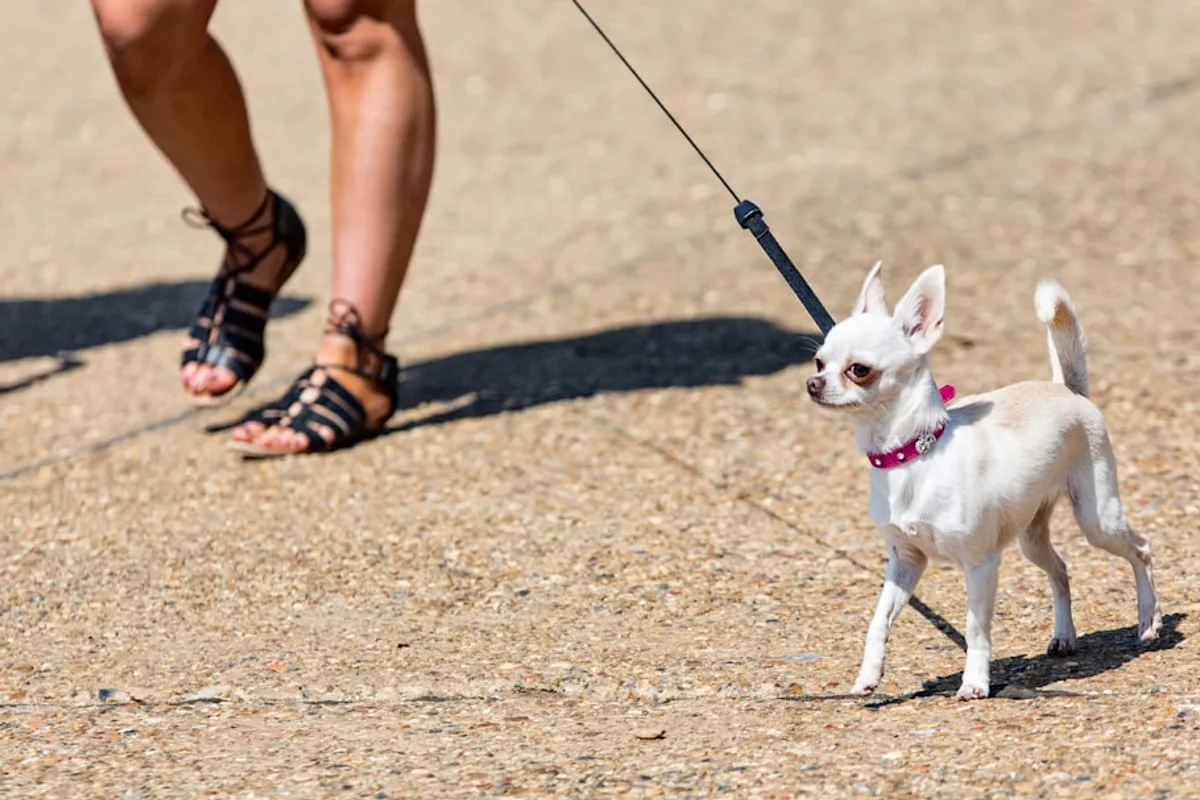
Are you ready to train your small dog? Here are the essentials to get you started! Training small dog breeds early is crucial to prevent behavioral issues. Due to their size, small dogs often face challenges like excessive barking or aggression towards larger dogs. Early training can effectively mitigate these problems.
Basic training techniques such as positive reinforcement work exceptionally well for small breeds. Rewarding good behavior with treats or praise encourages them to learn commands quickly. Consistency is key, so ensure that everyone in the household follows the same training rules.
Socialization for small dogs is equally important. Introducing them to other pets and people in a controlled environment helps them become well-adjusted companions. Regular playdates or visits to dog parks can aid in this process.
Exercise needs for small dogs vary, but short daily walks and interactive playtime are generally sufficient to keep them healthy and happy.
Next, we’ll explore specific training techniques tailored for small dog breeds.
Basic Training Techniques for Small Dogs
Wondering how to train your small dog effectively? Here are some techniques that work wonders! Start with leash training and housebreaking small dogs using positive reinforcement training. Owners report success by rewarding good behavior with treats and praise. Small dogs often respond better to training when sessions are kept short and engaging.
Now, let’s discuss the exercise needs of small dog breeds.
Exercise Needs of Small Dog Breeds
Is your small dog getting enough exercise? Here’s what you need to know to keep them fit and happy! Despite their size, many small dog breeds, like the Jack Russell Terrier, require more exercise than owners might expect, often needing up to an hour of active play daily.
Regular exercise provides mental stimulation and helps prevent behavioral issues. Activities such as agility training or a game of fetch are excellent ways to meet the exercise needs for small dogs. These activities not only fulfill daily exercise requirements but also strengthen the bond between you and your pet.
Next, we’ll cover socialization tips specifically for small dogs.
Socialization Tips for Small Dogs
Is your small dog shy or anxious around others? Here’s how to help them socialize effectively! Socialization for small dogs is crucial to prevent fear-based behaviors. Engaging them with other pets and people can significantly reduce anxiety. Studies show that well-socialized small breeds are less likely to exhibit aggressive behaviors towards larger dogs.
Try these small dog socialization tips:
- Introduce them to new environments gradually.
- Arrange playdates with friendly dogs.
- Enroll in puppy classes for structured interaction.
These activities highlight the importance of socializing small dogs. Now that we’ve discussed training and exercise, let’s move on to budgeting for small dog ownership.
Budgeting for Small Dog Ownership: A Cost Breakdown
Thinking about adopting a small dog? Here’s what you need to budget for! The cost of small dog ownership begins with initial expenses such as adoption fees, which can range from $50 to $500, depending on the breed and shelter. Essential supplies like a bed, leash, and food bowls typically add another $150 to $200.
Ongoing expenses are crucial in budgeting for small dog care. While small dogs generally cost less to feed, averaging $20 to $40 per month, grooming and healthcare can sometimes be more expensive due to specific breed needs, such as dental care.
| Breed | Monthly Food Cost | Grooming Cost | Vet Visits |
|---|---|---|---|
| Chihuahua | $20 | $30 | $100 |
| Poodle | $25 | $50 | $120 |
| Pug | $20 | $40 | $110 |
Initial Costs of Adopting a Small Dog
Are you prepared for the initial costs of adopting a small dog? Let’s break it down!
| Expense | Cost Range |
|---|---|
| Adoption Fees | $50 – $2,000 |
| Initial Supplies (bed, leash, toys) | $100 – $200 |
| Spaying/Neutering | $50 – $300 |
Adoption fees for small dogs can vary significantly; some shelters charge as little as $50, while breeders may charge upwards of $2,000 depending on the breed. Don’t forget to budget for initial supplies for your new small dog and consider the importance of spaying or neutering.
Now, let’s explore the ongoing expenses for small dog care.
Ongoing Expenses for Small Dog Care
Wondering what it really costs to care for a small dog? Here’s what you need to know!
| Expense Category | Average Cost |
|---|---|
| Small Dog Food Expenses | $20 – $40/month |
| Grooming Costs for Small Dogs | $30 – $50/session |
| Vet Visits | $100 – $300/year |
While small dogs typically require less food, their grooming and healthcare costs can add up quickly, especially for breeds prone to dental issues. Additionally, unexpected expenses like emergency vet visits may arise.
Finally, let’s look at some cost-saving tips for small dog owners.
Cost-Saving Tips for Small Dog Owners
Looking to save money on small dog ownership? Here are some savvy tips to help you out!
| Cost-Saving Tip | Benefit |
|---|---|
| DIY Grooming | Reduces grooming expenses significantly. |
| Pet Insurance | Offsets unexpected veterinary costs, saving hundreds in emergencies. |
| Budget-Friendly Dog Food | Ensures quality nutrition without breaking the bank. |
Now that we’ve covered budgeting, let’s address some frequently asked questions about small dog breeds.
FAQs About Small Dog Breeds
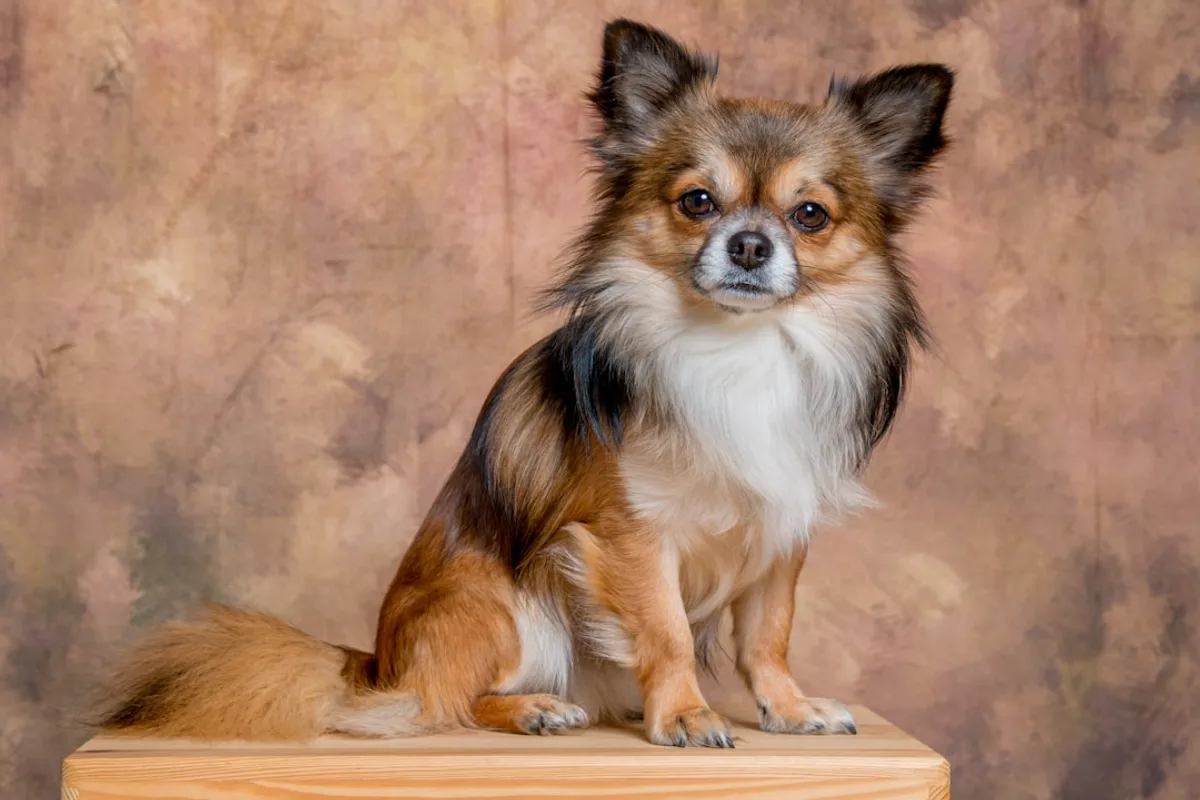
Have questions about small dog breeds? Here are the answers to some of the most common inquiries!
-
What are the most frequently asked questions about small dog breeds?
Common questions small dog owners have include: What are the best small dog breeds for apartments? How do their temperaments vary? Many prospective owners are unaware that small dog breeds can have vastly different temperaments and care needs, leading to mismatches in expectations.
-
Are small dog breeds suitable for families?
Yes, many small dog breeds are great with children and adapt well to family life. However, it’s essential to research individual breed traits.
-
Do small dogs require less exercise?
While some small breeds are less active, others need regular exercise. Understanding each breed’s energy level is crucial.
For more detailed information, you can visit AKC’s breed directory. Feel free to submit your own questions for future articles. Let’s dive into the specifics of what makes small dogs great for first-time owners.
What are the best small dog breeds for first-time owners?
Are you a first-time dog owner? Here are the best small breeds to consider for your new adventure! Choosing a breed with a friendly temperament and ease of training is crucial for beginners. Dog trainers often recommend breeds like the Cavalier King Charles Spaniel due to their gentle nature and adaptability, making them ideal companions.
- Cavalier King Charles Spaniel – Known for their affectionate and easygoing personality.
- Pug – Friendly and sociable, perfect for new pet owners.
- Bichon Frise – Adaptable and cheerful, great for apartment living.
- French Bulldog – Low-maintenance and playful, suitable for beginners.
These breeds are not only the best small dogs for beginners but also thrive in various living environments. Next, let’s explore how small dog breeds differ from larger breeds.
How do small dog breeds differ from larger breeds?
Are you curious about how small dogs differ from their larger counterparts? Let’s explore the key distinctions! Small dog breeds often exhibit a higher level of anxiety and need for socialization compared to larger breeds, which can lead to behavioral challenges if not addressed early. Temperamentally, small dogs may be more excitable and vocal, requiring consistent training.
In terms of exercise, small breeds typically need less physical activity but still benefit from regular playtime. Health issues also vary; smaller breeds are prone to dental problems and luxating patellas, while larger breeds may face hip dysplasia. These differences between small and large dog breeds can significantly impact ownership experience, with small vs large dog ownership requiring different approaches.
Common misconceptions include the belief that small dogs are easier to manage, but they often demand just as much attention and care. Now, let’s address whether small dogs are suitable for families with young children.
Are small dogs suitable for families with young children?
Are you considering a small dog for your family? Here’s what you need to know about their compatibility with kids! Small dogs can be suitable for families with young children, but it’s essential to choose the right breed. Certain small breeds, like the Bichon Frise, are particularly good with children due to their playful nature. Other breeds such as the Cavalier King Charles Spaniel and Pug are also known for their gentle temperament.
- Always supervise interactions between small dogs and young children to ensure safety.
- Teach children how to approach and handle small dogs gently.
- Provide a safe space for the dog to retreat if they feel overwhelmed.
Choosing the best small dog breeds for kids involves considering both the dog’s temperament and the family’s lifestyle. Next, we’ll tackle the dietary needs of small dog breeds.
Do small dog breeds require special diets?
Do small dogs need a different diet than larger breeds? Let’s find out the facts! Small dog breeds often require special diets tailored to their unique needs. Unlike larger breeds, small dogs have higher metabolisms and thus benefit from calorie-dense foods in smaller portions. This helps prevent obesity while meeting their energy requirements.
When considering the dietary needs of small dog breeds, it’s essential to choose high-quality dog food brands that cater specifically to them. Brands like Royal Canin, Hill’s Science Diet, and Blue Buffalo offer specialized formulas that support the nutritional needs of small dogs.
Finally, let’s discuss how often small dogs should be groomed.
How often should small dogs be groomed?
Wondering how often you should groom your small dog? Here’s what you need to know! Grooming frequency for small dogs varies by breed. For instance, breeds like the Poodle require grooming every 4-6 weeks to maintain their coat, while others with shorter hair might need less frequent attention.
Regular grooming is crucial for your pet’s health and hygiene, preventing matting, skin issues, and excessive shedding. Establishing a small dog grooming schedule that fits both your lifestyle and your dog’s needs is essential. Consider setting reminders and creating a routine that includes brushing, bathing, and nail trimming.
- Brush long-haired breeds like Shih Tzus daily.
- Bathe breeds like Dachshunds every 4-6 weeks.
- Trim nails every 3-4 weeks to prevent discomfort.
Key Takeaways About Small Dog Breeds
As we wrap up, let’s revisit the key insights about small dog breeds that every prospective owner should know! Small dog breeds offer a range of personalities and traits, making them suitable for various lifestyles. From the lively Chihuahua to the gentle Cavalier King Charles Spaniel, each breed brings its own charm and challenges.
One of the key takeaways about small dog breeds is that size isn’t the only factor to consider. Understanding their unique needs and characteristics can lead to a fulfilling companionship. For instance, while a French Bulldog may thrive in an apartment setting due to its low exercise requirements, a Jack Russell Terrier might need more space and activity to stay happy.
Choosing the right breed involves considering your lifestyle and family dynamics. Are you looking for a playful companion for your children, or a calm lap dog for quiet evenings? Evaluating these aspects will help in making an informed decision.
In summary of small dog ownership, it’s crucial to match a breed’s traits with your personal needs. This ensures a harmonious relationship between you and your furry friend. As you explore small dog breed insights, remember that the right choice will enhance your life with joy and companionship. Make sure to research thoroughly and select a breed that aligns with your living situation and personal preferences.