Why Are Working Dog Breeds Essential in Today’s World?
Have you ever wondered how working dog breeds contribute to our daily lives? These remarkable animals play crucial roles in enhancing safety, productivity, and companionship across various sectors. From law enforcement to emotional support, their importance in modern society cannot be overstated.
The demand for working dogs has surged, particularly in areas such as law enforcement, search and rescue, and service animal roles. In the United States alone, there are thousands of working dogs employed, significantly impacting public safety and welfare. For instance, police K-9 units are instrumental in detecting narcotics and explosives, while search and rescue dogs save countless lives during natural disasters.
Working dog breeds are incredibly versatile, adapting to the diverse needs of humans. Their roles extend beyond traditional tasks, as many are now trained for specialized purposes such as therapy and emotional support. This adaptability showcases the unique benefits of working dog breeds, making them indispensable in various settings.
- Law Enforcement: Detecting illegal substances and apprehending suspects.
- Search and Rescue: Locating missing persons in challenging environments.
- Service Animals: Assisting individuals with disabilities in daily tasks.
- Therapy and Emotional Support: Providing comfort and companionship to those in need.
Despite their historical roles, working dog breeds continue to evolve, proving their worth in contemporary life. Understanding their historical origins will provide deeper insight into why these breeds are so essential today.
Historical Origins and Common Characteristics of Working Dogs
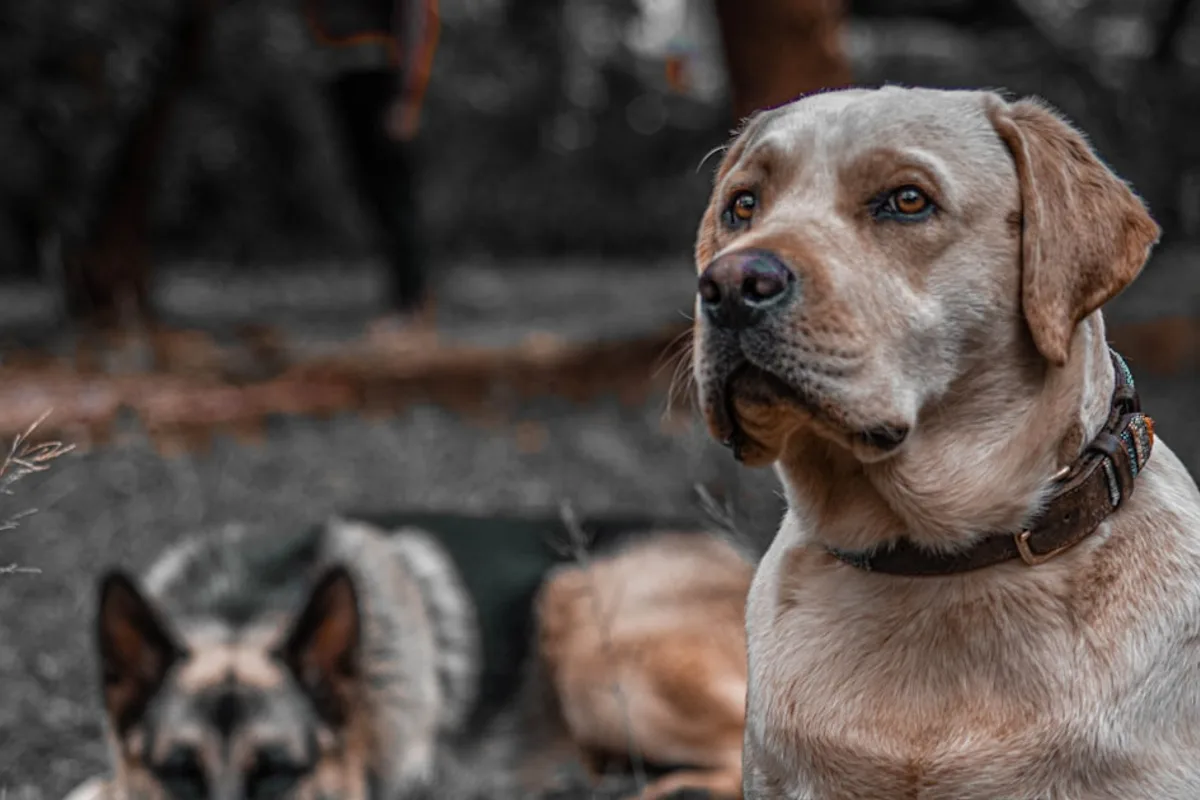
The story of working dog breeds is as rich and varied as the tasks they perform for us. From ancient times, humans have relied on dogs for a variety of roles, including agriculture, protection, and companionship. The history of working dogs reveals their evolution alongside human societies, adapting to meet the demands of different environments and tasks.
Many working dogs were bred for specific tasks that required unique physical and mental traits, leading to a diverse range of breeds tailored for various functions. For example, the German Shepherd was developed for police and military work due to its intelligence and strength, while the Border Collie became renowned for its herding capabilities, thanks to its agility and keen instincts.
Genetic traits have been carefully selected over generations to enhance the abilities of these dogs for specific jobs. Common characteristics of working dog breeds include high intelligence, trainability, and endurance. These traits have been honed to ensure that each breed excels in its designated role, whether it be guarding property, herding livestock, or assisting in search and rescue operations.
Next, we will explore the key traits that define these remarkable breeds.
The Evolution of Working Dog Breeds
The evolution of working dog breeds reveals a fascinating interplay between human needs and canine capabilities. Over centuries, these breeds have been shaped by selective breeding to perform specific tasks and adapt to diverse environments. Key milestones in working dog breed history include the development of breeds like the Saint Bernard, which was refined to navigate snowy terrains and rescue stranded travelers. Environmental factors such as climate and terrain have significantly influenced the adaptation of working dogs, ensuring they not only perform tasks but also thrive in their respective habitats.
Now, let’s delve into the key traits that make these breeds exceptional.
Key Traits of Working Dog Breeds
What makes working dog breeds so effective at their jobs? It’s all in their unique traits. Many working dog breeds possess a combination of physical and mental characteristics that allow them to excel in demanding roles. These breeds are often larger in size, showcasing strength and agility, which are essential for tasks like guarding and herding.
Behaviorally, working dogs are known for their intelligence, trainability, and loyalty. Breeds such as the Rottweiler and the Belgian Malinois exemplify these traits, making them highly suitable for roles that require discipline and dedication. With a clear understanding of their traits, we can now explore the historical roles these dogs have played.
Roles and Responsibilities Through History
From ancient guardians to modern-day heroes, working dogs have played pivotal roles throughout history. Initially, these loyal companions were indispensable in herding livestock, with breeds like the Border Collie excelling in managing flocks. As societies evolved, so did the roles of these dogs. The Doberman Pinscher, for instance, became renowned for its service in military operations, showcasing the adaptability and courage of working dog breeds in history. Historically, these dogs have not only influenced professions like herding and guarding but have also been vital contributors to human endeavors.
Now that we understand their history, let’s look at the top working dog breeds and the specific jobs they excel in.
Top Working Dog Breeds and Their Specific Jobs
Curious about which breeds dominate the working dog world? Let’s explore the top contenders and their specialized roles. These breeds are renowned for their intelligence, strength, and dedication to their tasks.
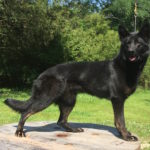
- German Shepherd: Known for their courage and trainability, German Shepherds excel in police and military roles. They are the second most popular breed for law enforcement work.
- Labrador Retriever: Not only a beloved family pet, but Labradors are also exceptional in search and rescue and service work. Their gentle nature and intelligence make them the top choice for assistance dogs.
- Belgian Malinois: Often used in military operations, the Belgian Malinois is valued for its agility and high energy. They are frequently seen in K-9 units worldwide.
- Border Collie: With unmatched herding instincts, Border Collies are indispensable on farms. Their ability to learn commands quickly makes them highly effective in managing livestock.
- Rottweiler: As protective and loyal companions, Rottweilers are often employed in guard and protection roles. Their strength and confidence are their defining traits.
These breeds not only contribute significantly to various working dog jobs but also enrich the lives of those they assist. Next, we will categorize working dog breeds based on their specific jobs to help you find the right fit.
Guarding and Protection Breeds
When it comes to protection, not all dogs are created equal—let’s discover the top breeds that excel in guarding. Breeds like the German Shepherd and Rottweiler are renowned for their roles in security and law enforcement. These guard dog breeds are often trained using specific methods to enhance their natural protective instincts.
For instance, German Shepherds are frequently seen in police units due to their intelligence and loyalty. Some protection dogs have an innate ability to safeguard their families, requiring less intensive training compared to others. Now, let’s turn our attention to herding and livestock breeds that play a crucial role in agriculture.
Herding and Livestock Breeds
In the world of agriculture, herding dogs are unsung heroes—let’s explore the breeds that make this possible. Among the most renowned herding dog breeds are the Border Collie and Australian Shepherd, both celebrated for their exceptional agility and intelligence. These livestock management dogs possess a unique ability to read animal behavior, enabling them to guide livestock effectively without aggressive tactics.
For instance, Border Collies have been known to manage large flocks of sheep with minimal human intervention, showcasing their innate herding skills. Next, we will examine the breeds that specialize in search and rescue operations, showcasing their incredible skills.
Search and Rescue Breeds
When lives are on the line, certain breeds stand out as heroes—let’s discover the search and rescue dogs that save lives. Among the top search and rescue dog breeds are the Bloodhound and Labrador Retriever, known for their exceptional tracking abilities. These rescue dogs undergo rigorous training to hone their skills, enabling them to locate missing persons faster than human search teams. Statistics show that these breeds have high success rates in rescue missions, thanks to their incredible olfactory capabilities and dedication.
Now, let’s compare working dog breeds based on their job types to help you make an informed decision.
Comparing Working Dog Breeds by Job Type
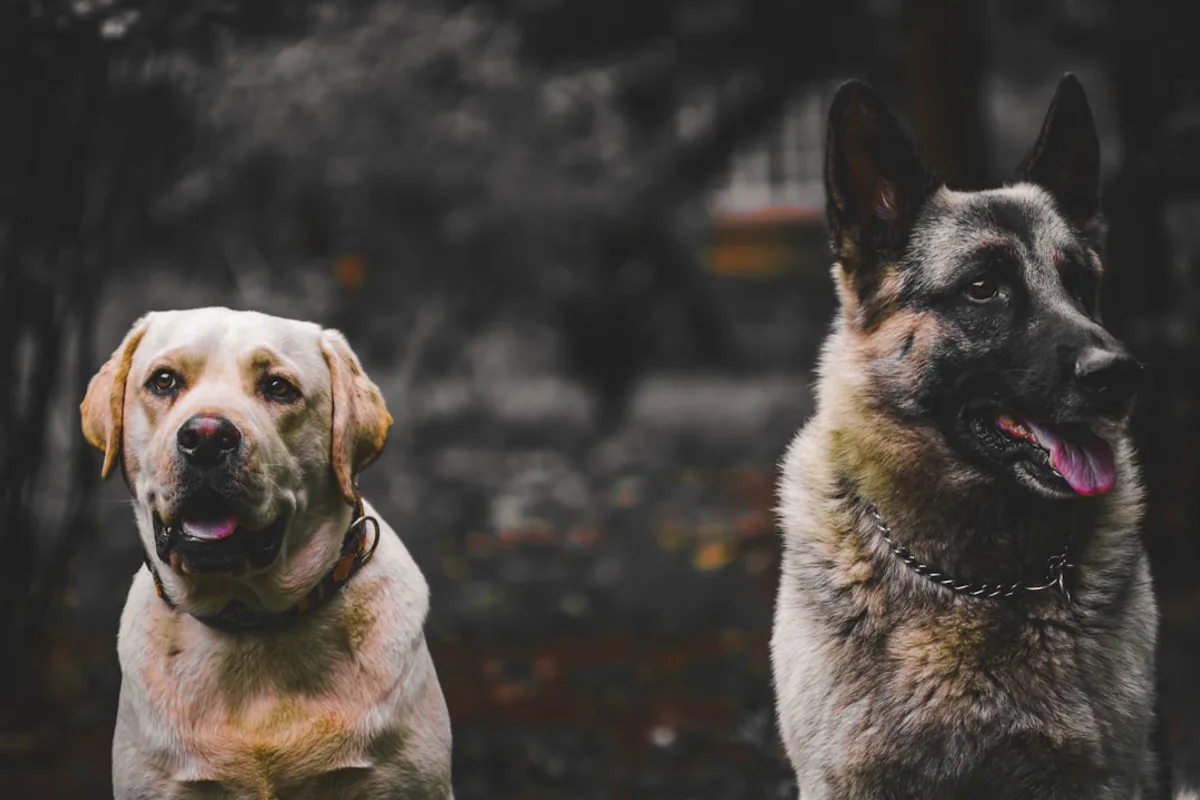
Choosing the right working dog breed isn’t just about looks—let’s explore the essential criteria for making an informed decision. When evaluating working dogs, consider their temperament, trainability, and physical capabilities. These criteria for dog selection are crucial in ensuring that a breed’s natural traits align with the specific demands of the job.
Understanding the specific needs of each job type can significantly impact the success of the working dog, making breed selection critical. For instance, a herding dog requires agility and intelligence, while a guard dog benefits from loyalty and strength. Matching a dog’s traits to the job type ensures optimal performance and satisfaction for both the dog and handler.
| Breed | Temperament | Trainability | Physical Capabilities |
|---|---|---|---|
| German Shepherd | Loyal, Protective | High | Strong, Agile |
| Border Collie | Intelligent, Energetic | Very High | Fast, Agile |
| Rottweiler | Confident, Fearless | Moderate | Powerful, Enduring |
With criteria in mind, we will now
Criteria for Evaluating Working Dog Breeds
When it comes to working dogs, a side-by-side comparison can reveal surprising differences—let’s dive in! Understanding the traits of popular working dog breeds is crucial for matching them to specific tasks. A visual comparison of dog breeds can highlight subtle differences in traits that may not be immediately apparent, aiding prospective owners in making informed choices.
| Breed | Traits | Job Suitability |
|---|---|---|
| German Shepherd | Loyal, Intelligent, Versatile | Police Work, Search and Rescue |
| Labrador Retriever | Friendly, Energetic, Trainable | Guide Dog, Therapy Work |
| Border Collie | Alert, Energetic, Responsive | Herding, Agility Sports |
Now that we have compared the breeds, let’s discuss how to choose the right one for your specific needs.
Side-by-Side Analysis of Popular Breeds
Choosing the right working dog breed can be a daunting task—let’s simplify the process with key considerations. Many prospective owners overlook the importance of their own lifestyle, leading to mismatched expectations and challenges. Consider your activity level, family dynamics, and space when choosing a working dog. Testimonials from owners highlight the importance of breed compatibility assessment.
| Breed | Activity Level | Family Suitability | Owner’s Experience | ||||||||||
|---|---|---|---|---|---|---|---|---|---|---|---|---|---|
| Border Collie | High | Best for active families | “Energetic and intelligent, perfect for our active lifestyle.” | ||||||||||
| German Shepherd | Moderate | Good with children | “Loyal and protective, a great family companion.” | ||||||||||
| Labrador Retriever | Moderate | Excellent for families | “Friendly and adaptable, fits well with our kids.”Choosing the Right Breed for Your Needs
Training a working dog is not just about commands—it’s about building a partnership. What techniques can help you succeed? Many working dogs thrive on mental stimulation and structured training, which can enhance their performance and bond with their owners. Essential training techniques for working dogs include consistency, socialization, and task-specific training.
Training and Care for Working Dogs: Techniques and TipsTraining a working dog is not just about commands—it’s about building a partnership. What techniques can help you succeed? Here are essential training techniques for working dogs:
Essential Training Techniques for Working DogsEvery working dog has unique training needs—are you ready to meet them? Understanding working dog training requirements is crucial for success. Here are essential techniques:
Daily Care and Maintenance TipsCaring for a working dog goes beyond feeding—what daily routines can help them thrive? Here are some essential daily care and maintenance tips for working dogs:
Health and Nutrition GuidelinesWhat you feed your working dog can make all the difference—are you giving them the nutrition they need? Proper nutrition tailored to a working dog’s specific job can prevent many common health issues, enhancing their longevity and performance. Follow these health guidelines for dogs to ensure optimal well-being:
FAQs About Working Dog Breeds
What Are the Most Common Working Dog Breeds?Wondering which breeds are most commonly recognized as working dogs? Let’s take a closer look! Among the most common working dog breeds are the German Shepherd, Labrador Retriever, and Rottweiler. These popular dog breeds are renowned for their versatility and effectiveness in various roles, making them favorites among trainers and handlers.
How Much Exercise Do Working Dogs Require?How much exercise does a working dog really need? The answer is more than you might think! Working dog breeds, known for their high energy levels and intelligence, require extensive physical and mental stimulation. Typically, these dogs need at least 1 to 2 hours of vigorous exercise daily, combined with activities that challenge their minds. Insufficient exercise can lead to behavioral issues such as excessive barking, chewing, or digging. To prevent such problems, it’s crucial to incorporate both physical and mental challenges into their routine. Activities like agility training, obedience exercises, and interactive games can help satisfy the exercise needs of working dogs.
Can Working Dogs Adapt to Apartment Living?Can a working dog thrive in an apartment? The answer may depend on how you meet their needs. While some working dog breeds, like the Boxer and Bulldog, can adapt to apartment living with proper exercise and mental stimulation, others like the Border Collie and Siberian Husky typically require more space to roam. For apartment dwellers, accommodating working dogs involves daily walks, interactive play sessions, and mental challenges like puzzle toys. These activities can help satisfy the high energy levels and intelligence that characterize many working breeds. Additionally, creating a designated space within your home for your dog can provide a sense of security and comfort. Contrary to common perceptions about space requirements, some working dogs can indeed thrive in apartments if their exercise and mental stimulation needs are met. Understanding the adaptability of working breeds is key to successful apartment living with dogs. Finally, let’s explore common health issues associated with working dog breeds.What Are Common Health Issues in Working Breeds?Are you aware of the health risks associated with working dog breeds? It’s essential knowledge for every owner. Working dogs, known for their strength and endurance, often face specific health challenges. Common health issues in working dogs include hip dysplasia, heart conditions, and joint problems, largely due to their physical traits and demanding roles. Regular veterinary check-ups and preventive care for working dogs are crucial to catch these issues early. Ensuring a balanced diet rich in essential nutrients can help maintain their health and vitality. Additionally, providing appropriate exercise tailored to their breed’s needs can prevent common dog breed health problems.
Key Takeaways About Working Dog BreedsIn the world of working dogs, knowledge is power—let’s recap what we’ve learned! Understanding the unique traits and needs of working dog breeds can significantly enhance the owner-dog relationship and the dog’s overall well-being. These breeds are defined by their historical roles in assisting humans, whether through herding, guarding, or performing search and rescue missions. Common characteristics of working dog breeds include high intelligence, strength, and a strong work ethic. Breeds such as the German Shepherd, Siberian Husky, and Boxer exemplify these traits, each bringing their own set of skills and temperament. It’s crucial to match these characteristics with your lifestyle and needs. For instance, a high-energy breed like the Border Collie thrives in active environments where it can exercise both body and mind. Choosing the right working dog breed requires careful consideration. Prospective owners should evaluate their living situation, activity level, and the time they can dedicate to training and companionship. This ensures that both the owner and the dog can enjoy a harmonious relationship. As you continue your journey in selecting a working dog, further research is vital. Connect with breed-specific resources, such as clubs and forums, to gain deeper insights and practical advice. Engaging with experienced owners and breeders can provide valuable perspectives that go beyond general information. In conclusion, understanding the summary of working dog breeds and their key insights is essential for fostering a fulfilling partnership. By considering these working dog breed takeaways, you can make informed decisions that benefit both you and your future canine companion. Remember, the right match can lead to a rewarding and enriching experience for both parties involved. |