What Makes Common Dog Behavior Issues Challenging
Understanding dog behavior issues requires a deep dive into the individual dog’s personality and environmental influences. These challenges arise from a combination of unique personality traits, breed tendencies, and external factors, making it difficult to manage and modify behaviors effectively.
The complexity of dog behavior is rooted in the individual nature of each dog. Just as humans have distinct personalities, dogs exhibit a wide range of traits influenced by their breed. Some breeds are naturally more energetic and may require more physical activity to prevent issues like excessive barking or destructive chewing. These breed-specific tendencies can complicate efforts to address behavior problems.
Environmental factors also play a crucial role in shaping dog behavior. A lack of exercise or socialization can exacerbate issues such as separation anxiety or aggression. Dogs that do not receive adequate physical and mental stimulation may resort to undesirable behaviors as an outlet for their pent-up energy. For example, a dog left alone for extended periods might develop separation anxiety, leading to behaviors like howling or destructive chewing.
Moreover, the emotional and psychological aspects of dogs add another layer of complexity to behavior modification. Behavior issues can stem not only from training deficits but also from deep-seated emotional responses and stressors in a dog’s environment. Addressing these issues requires patience and understanding, as dogs may react to stress or fear with behaviors like aggression or excessive vocalization. According to the ASPCA, aggression is among the most serious behavior problems, often linked to fear or anxiety.
Ultimately, managing dog behavior issues involves a holistic approach that considers the dog’s unique personality, breed tendencies, and environmental influences. By addressing these factors, owners can work towards modifying behaviors effectively.
Identifying and Addressing Common Dog Behavior Problems

From excessive barking to destructive chewing, understanding common dog behavior problems can help owners take proactive steps. Excessive barking often stems from boredom or anxiety, and addressing it may involve providing more mental stimulation or training. Destructive chewing can be caused by teething in puppies or stress in adult dogs, and offering appropriate chew toys can mitigate this behavior.
Another prevalent issue is jumping up, which dogs often do out of excitement or to seek attention. Training them to sit when greeting people can reduce this behavior. House soiling may indicate behavioral issues or medical conditions, necessitating a thorough evaluation to determine the underlying cause.
Breed characteristics also play a significant role in dog behavior. For example, Labrador Retrievers, known for their energetic nature, may exhibit behavior issues if not adequately exercised or mentally stimulated. Understanding these breed-specific traits is crucial in addressing problems effectively.
Moreover, aggression remains a serious concern, with various forms such as fear-based or dominance-based aggression documented. Recognizing these behaviors early and seeking professional guidance can prevent escalation and ensure a harmonious relationship between dogs and their owners.
Common Signs of Behavioral Issues
Being able to identify signs of behavioral issues early can make a significant difference in effective intervention. Common indicators include excessive barking, aggression, and signs of dog anxiety such as pacing or hiding. Physical symptoms like changes in appetite or energy levels may also signal underlying behavioral problems. Recognizing dog stress signals, such as increased clinginess or withdrawal, is crucial for early intervention. Additionally, observe changes in your dog’s routine or interactions with family members, as these can be red flags for behavioral issues in dogs.
Effective Strategies for Behavior Correction
Effective behavior correction starts with understanding your dog’s needs and employing positive reinforcement techniques. Rewarding desired behaviors encourages good habits and can address issues like excessive barking and destructive chewing. Consistency in training methods is crucial for dog behavior correction techniques to be successful. Incorporating play and structured activities into training can enhance a dog’s learning experience and reduce unwanted behaviors more effectively than traditional methods alone.
Additionally, positive reinforcement for dogs, combined with regular socialization and exercise, can prevent common behavior problems such as separation anxiety and leash pulling. These training strategies for dog behavior create a well-rounded approach to correction.
When to Seek Professional Help
Knowing when to seek professional help can be crucial for addressing serious behavioral issues effectively. Persistent aggression or severe anxiety in dogs are clear signs that professional intervention is needed. Consulting a certified dog trainer or animal behaviorist can provide specialized techniques and insights not easily accessible to pet owners, especially for complex problems. For example, aggression towards people or other animals requires immediate professional help. Similarly, issues like excessive barking, destructive chewing, or separation anxiety may benefit from expert guidance. Aggression is a particularly serious concern that often necessitates expert advice.
Managing Aggression in Various Contexts
Aggression in dogs can manifest in various contexts, requiring tailored approaches for effective management. Understanding the context of aggression—whether it’s fear, territorial, or resource guarding—can inform the most effective management strategies. Fear-based aggression often arises from a lack of socialization or negative experiences, while territorial aggression may occur when a dog perceives a threat to its space.
Socialization and early experiences play a crucial role in shaping a dog’s behavior. Puppies exposed to diverse environments and positive interactions are less likely to develop aggressive tendencies. For instance, a well-socialized dog is typically more comfortable around strangers and less likely to exhibit fear-based aggression.
Consider a scenario where a dog displays aggression when guarding its food. Implementing management techniques such as gradual desensitization and positive reinforcement can help. By rewarding calm behavior and slowly introducing controlled situations, owners can reduce aggression triggers in dogs. For more tips on managing dog aggression, you can refer to resources from the ASPCA.
Addressing contextual aggression in dogs requires patience and understanding. By identifying specific triggers and employing appropriate techniques, owners can effectively manage aggression and foster a safer environment for both the dog and those around it.
Understanding Triggers of Aggression
Understanding what triggers aggression in dogs is essential for effective management and prevention. Common dog aggression triggers include unfamiliar people, other dogs, and loud noises. A dog’s past experiences, such as trauma or lack of socialization, can significantly shape these triggers. For instance, a dog that has been poorly socialized may react aggressively to new situations. Additionally, breed tendencies play a role; breeds known for protective instincts might be more prone to aggression when they perceive a threat. Recognizing these specific triggers can empower owners to manage their dog’s environment, reducing the likelihood of aggressive incidents.
Techniques for Reducing Aggressive Behavior
Utilizing effective techniques to reduce aggression can transform a dog’s behavior and improve their quality of life. Desensitization for aggressive dogs involves gradually exposing them to their triggers in a controlled manner, helping them become more comfortable over time. Counter-conditioning in dog training changes a dog’s emotional response to a trigger by associating it with positive experiences. Maintaining a calm environment during training sessions is crucial to minimize stress and anxiety. Combining desensitization with positive reinforcement can create a powerful strategy for changing a dog’s reaction to previously feared stimuli, fostering a more harmonious relationship.
Safety Measures for Handling Aggressive Dogs
Ensuring safety when handling aggressive dogs is paramount for both the dog and the community. Using tools like muzzles or leashes in public can prevent aggressive incidents, offering safety for aggressive dogs and peace of mind for owners. Training family members on proper handling techniques is equally crucial to prevent mishaps. At home, creating a designated safe space can help the dog feel secure, reducing aggressive outbursts. Implementing these safety measures not only protects others but also helps the dog feel more secure, fostering a calmer environment for everyone involved.
Recognizing Stress Signals in Dogs and Their Impact on Behavior

Understanding stress signals in dogs is vital for preventing behavioral issues before they escalate. Common stress indicators in dogs include excessive panting, pacing, and hiding. These behaviors often signal that a dog is experiencing discomfort or anxiety. Recognizing dog stress early is crucial, as it can prevent the development of more serious issues such as aggression or anxiety-related behaviors.
Environmental changes, like moving to a new home or the introduction of new family members, can significantly impact a dog’s stress levels. Such changes might lead to behaviors like excessive barking or destructive chewing, as the dog attempts to cope with its altered surroundings. Aggression is one of the most serious behavior problems that can arise from unmanaged stress.
By being observant and recognizing these stress signals, dog owners can take early action to address the root causes. This proactive approach can help prevent the escalation of stress into more severe behavioral problems, ensuring a healthier and happier life for their canine companions.
Common Stress Indicators in Dogs
Being able to identify stress signs in dogs can help owners respond effectively to their pet’s needs. Physical signs of dog stress include changes in body language, such as a tucked tail or flattened ears. Behavioral indicators of stress in dogs might manifest as excessive barking, destructive chewing, or withdrawal from social interactions. Changes in routine or environment can provoke these stress responses. Recognizing both physical and behavioral signs of stress can help dog owners take proactive steps to alleviate their pet’s discomfort, ensuring a happier and healthier companion.
How Stress Affects Dog Behavior
Stress can significantly alter a dog’s behavior, making it essential for owners to understand its effects. Stress often manifests as aggression, anxiety, or withdrawal, impacting a dog’s overall well-being. Chronic stress can lead to long-term health issues and exacerbate behavior problems like excessive barking or destructive chewing. Aggression is a common issue linked to stress. Managing stress through regular exercise and socialization can improve behavior, reducing anxiety and promoting a happier life. Understanding the connection between stress and behavior helps owners implement effective stress-reduction strategies, ensuring healthier, more content dogs.
Steps to Modify Unwanted Dog Behaviors Successfully
Successfully modifying unwanted dog behaviors requires a clear, structured approach that emphasizes consistency and positive reinforcement. To address issues like excessive barking or destructive chewing, follow these dog training steps:
- Establish a Consistent Routine: Consistency is key in dog training. Set regular times for walks, feeding, and training sessions to create a predictable environment for your dog.
- Use Positive Reinforcement: Encourage desired behaviors by rewarding your dog with treats, praise, or playtime. This method helps reduce unwanted behaviors by focusing on the positive.
- Set Realistic Goals: Break down the behavior modification process into achievable steps. For instance, if addressing separation anxiety, start by leaving your dog alone for short periods and gradually increase the duration.
- Monitor Progress: Keep track of your dog’s behavior changes and adjust your approach as needed. Patience and persistence are essential for lasting results.
- Seek Professional Help if Needed: If behaviors persist, consider consulting a professional trainer or behaviorist for tailored advice.
A structured approach that combines consistency, positive reinforcement, and realistic goal-setting can lead to lasting behavior changes in dogs. By following these steps, you can effectively modify unwanted dog behaviors and foster a harmonious relationship with your pet.
Setting Up a Consistent Training Environment
Creating a consistent training environment is essential for effective dog training and behavior modification. A distraction-free environment is crucial for effective training, allowing dogs to focus and learn more efficiently. Here are some steps to help you create a consistent dog training environment:
- Designate a Training Area: Choose a quiet, distraction-free space in your home or yard to serve as your dog’s training area.
- Schedule Regular Sessions: Consistency is key. Conduct training sessions at the same time daily to reinforce desired behaviors.
- Create a Positive Atmosphere: Use positive reinforcement, like treats and praise, to encourage engagement and make the training enjoyable for your dog.
Implementing Positive Reinforcement Techniques
Implementing positive reinforcement techniques can transform your dog’s behavior and strengthen your bond. Here are some effective dog training techniques to consider:
- Clicker Training: This method uses a clicker to mark desired behaviors, followed by a treat. The clicker training benefits include clear communication and faster learning.
- Treat Rewards: Offering treats immediately after good behavior reinforces positive actions. Consistency and timing are crucial for success.
Positive reinforcement for dog training not only encourages good behavior but also fosters a trusting relationship between the dog and owner, enhancing overall training success.
Monitoring Progress and Adjusting Strategies
Monitoring your dog’s progress during behavior modification is key to ensuring effective training and lasting results. Regularly assessing a dog’s progress allows owners to adapt their training strategies, ensuring continued improvement and success in behavior modification. Here’s how you can track and adjust:
- Track Behavior Changes: Keep a journal of any improvements or setbacks in behaviors like excessive barking or destructive chewing.
- Evaluate Training Techniques: If a method isn’t working, try a different approach, such as positive reinforcement instead of punishment.
- Be Patient and Flexible: Patience is crucial; adjust strategies as needed based on your dog’s unique responses.
By consistently monitoring dog training progress and adjusting dog training strategies, you can effectively address issues such as separation anxiety and ensure a well-behaved companion.
FAQ: Addressing Common Concerns About Dog Behavior
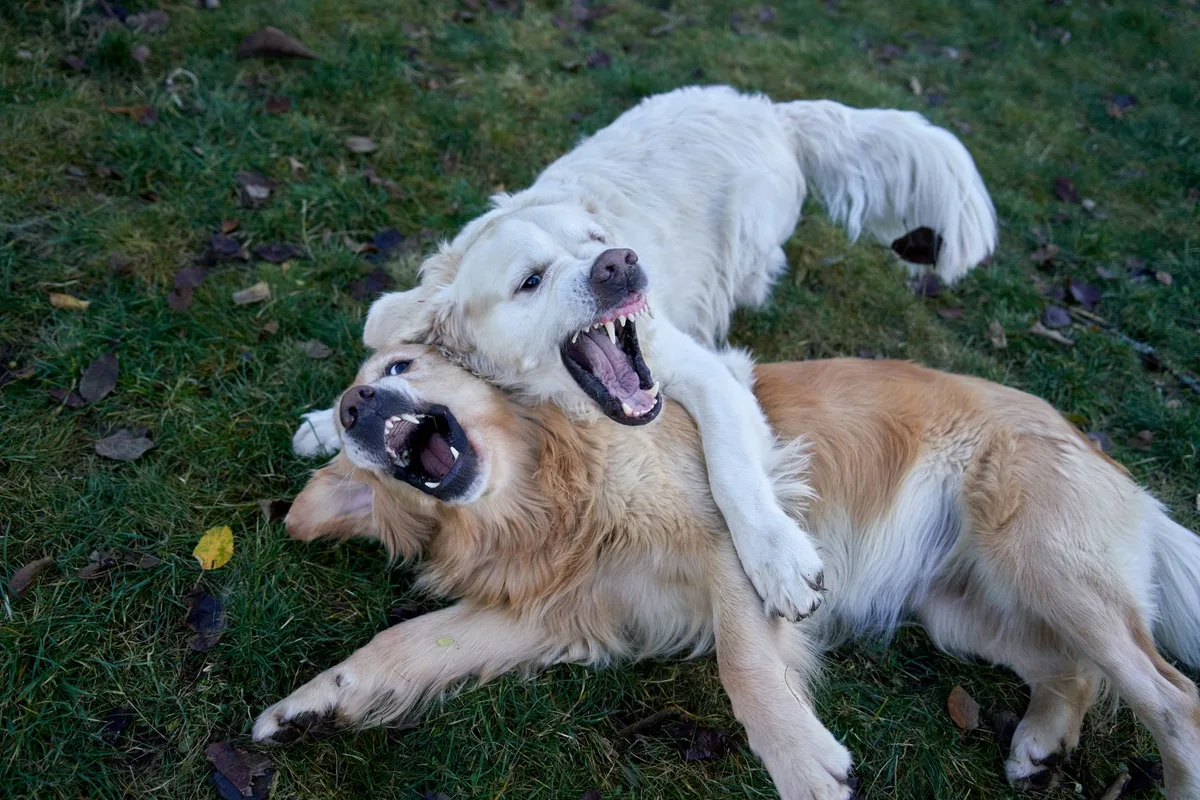
Understanding dog behavior issues like excessive barking, destructive chewing, and separation anxiety can help in managing them effectively. For instance, separation anxiety is a common concern that can be mitigated with consistent training and reassurance.
How can I stop my dog from barking excessively?
Excessive barking can often be managed through targeted training and understanding your dog’s triggers. To stop dog barking, first identify what causes your pet to bark excessively. Common triggers include boredom, anxiety, or external stimuli like other animals. Once identified, provide distractions such as toys or engage in training exercises to redirect their focus.
Implementing a consistent routine that includes regular exercise and mental stimulation can significantly reduce boredom-related barking. Activities like puzzle toys or obedience training can keep your dog engaged and less likely to bark out of frustration. Additionally, using commands like ‘quiet’ and rewarding your dog when they stop barking can reinforce desired behavior. Addressing the root cause, whether it’s boredom or anxiety, is crucial for effective management of barking issues.
For more detailed guidance on managing excessive barking and other behavior issues, consider visiting the ASPCA’s guide on dog behavior issues.
What should I do if my dog shows signs of separation anxiety?
Separation anxiety can be challenging, but with the right strategies, you can help your dog feel more secure when left alone. To address separation anxiety in dogs, start by gradually acclimating your pet to being alone. Begin with short absences and slowly increase the duration as your dog becomes more comfortable. This gradual desensitization to alone time is key in helping anxious dogs overcome separation anxiety effectively.
Engaging toys or puzzles can also be beneficial. They provide mental stimulation and keep your dog occupied, reducing the likelihood of excessive barking or destructive chewing. For severe cases, consider consulting a professional trainer who specializes in dog training for separation anxiety. Their expertise can offer tailored solutions to help your pet adjust more comfortably to your absence.
Remember, patience and consistency are crucial in helping your dog overcome these challenges. By implementing these strategies, you can create a more peaceful environment for both you and your furry friend.
Are there specific techniques to prevent destructive chewing?
Destructive chewing can often be mitigated by providing suitable alternatives and consistent training. To prevent dog chewing, one effective technique is to offer a variety of appropriate chew toys. This helps redirect your dog’s chewing behavior to acceptable items, reducing the likelihood of them targeting your furniture or shoes.
Incorporating a consistent training command, such as ‘leave it,’ can also discourage unwanted chewing. This command helps reinforce boundaries and teaches your dog to avoid inappropriate items. Additionally, ensuring your dog receives adequate exercise and mental stimulation is crucial. Boredom often leads to destructive chewing, so regular walks and interactive play can significantly reduce this behavior.
By focusing on these dog chew training techniques, you can provide destructive chewing solutions that not only protect your belongings but also enhance your dog’s well-being. Remember, patience and consistency are key in preventing destructive habits and fostering a harmonious environment for you and your furry friend.
How do I handle a dog that pulls on the leash?
Managing a dog that pulls on the leash can be achieved through proper training techniques and the right equipment. One effective solution is to use a no-pull harness, which can significantly improve leash manners and make walks more enjoyable for both dog and owner. This type of harness discourages pulling behavior by redirecting the dog’s attention back to you.
In addition to using a no-pull harness, practice loose-leash walking techniques. Reward your dog for staying close by your side with treats or praise. This positive reinforcement encourages your dog to associate good behavior with rewards. Gradually increase distractions during walks to reinforce good leash manners in various environments, ensuring your dog remains focused and well-behaved even in busy settings.
By combining the right equipment with consistent training, you can effectively address leash pulling and enjoy more peaceful walks with your furry friend. For further insights on dog behavior issues, such as excessive barking and destructive chewing, explore additional resources.
What are the best ways to discourage begging for food?
Begging for food can be managed with consistent routines and training, leading to better behavior during meal times. One effective strategy is to establish a consistent feeding schedule for your dog. This helps reduce begging behaviors and promotes better manners during meal times. Avoid feeding your dog from the table, as this can reinforce the habit of begging.
Training your dog to go to a designated spot during meal times can also be beneficial. This not only discourages dog begging but also creates a structured environment where your pet knows what to expect. Additionally, providing plenty of mental and physical stimulation can keep your dog occupied and less focused on food. Activities such as interactive toys, regular walks, and playtime can help divert their attention away from begging.
By implementing these strategies, you can effectively train your dog not to beg, fostering a more pleasant dining experience for everyone involved. For more on common dog behavior issues like excessive barking and destructive chewing, visit the ASPCA.
Key Takeaways About Managing Dog Behavior Issues
Addressing common dog behavior issues is essential for fostering a happy and well-adjusted pet. Understanding and managing dog behavior problems such as excessive barking, destructive chewing, and separation anxiety can significantly enhance the harmony within your household. Early recognition of these issues allows for proactive management, ensuring a more fulfilling relationship between dogs and their owners.
One of the key takeaways for dog training is the importance of early intervention and consistent training. By addressing behavior problems promptly, such as leash pulling or jumping, you can prevent them from escalating into more serious issues like aggression. Consistent training helps reinforce positive behaviors, making it easier for your dog to adapt to household rules and expectations.
It’s also crucial to recognize when professional help is needed. Some behavior problems, like fear-based aggression or severe anxiety, may require the expertise of a veterinarian or a certified dog behaviorist. Seeking professional guidance ensures that your pet receives the best care tailored to their specific needs, ultimately leading to better outcomes.
In conclusion, managing dog behavior effectively involves understanding the root causes of issues and addressing them with patience and consistency. By taking these steps, dog owners can enjoy a more harmonious relationship with their pets, ensuring a happy and balanced home environment. For more information on specific behavior issues, refer to resources like the ASPCA and other reputable organizations.