Why Every Dog Owner Needs Effective Dog Training Tips
Every dog owner knows that effective training is crucial for a well-behaved pet, but it also strengthens the bond between dog and owner. Training is important for pet owners because it not only improves a dog’s behavior but also fosters a deeper emotional connection, leading to a more harmonious household.
Training your dog offers long-term benefits that enhance both behavior and owner satisfaction. By teaching basic commands like sit, stay, and come, owners can reduce behavioral issues such as aggression and anxiety. This is achieved through positive reinforcement techniques, which encourage desired behaviors by rewarding dogs with treats or praise. According to the American Kennel Club, using high-value treats can lead to lasting results.
Effective dog training tips also focus on understanding dog behavior and learning patterns. By spending just 15 minutes a few times daily on training, as suggested by experts on Reddit, owners can reinforce positive behaviors and catch their dogs being good. This consistent practice not only improves obedience but also enhances communication, deepening the bond between dog and owner.
Ultimately, the importance of dog training lies in creating a well-adjusted pet and a satisfying pet-owner relationship. By investing time in training, owners can enjoy a loyal companion who understands and responds to their cues, making life together more enjoyable.
Mastering Basic Commands: Sit, Stay, and Come
Mastering basic commands like ‘sit’, ‘stay’, and ‘come’ is essential for every dog, laying the groundwork for a well-trained companion. These commands form the foundation for more advanced training and enhance safety during outdoor activities. To teach these effectively, start with short, focused sessions of about 5-15 minutes, using positive reinforcement techniques such as treats or praise. Keep training sessions short and enjoyable.
Begin with the ‘sit’ command by holding a treat close to your dog’s nose, then moving your hand upward, causing their bottom to lower. For ‘stay’, ask your dog to sit, then take a step back, rewarding them if they remain in place. The ‘come’ command can be practiced by calling your dog from a short distance, rewarding them when they reach you. Consistency and repetition are key to mastering these commands.
Use clear body language and a firm, friendly tone to convey your expectations. Remember, patience is crucial. Dogs learn at their own pace, and celebrating small victories will encourage progress.
Teaching Your Dog to Sit: Step-by-Step Guide
Teaching your dog to sit is one of the simplest yet most effective commands you can instill, setting the stage for further training. Here’s how to teach your dog to sit using a step-by-step dog training approach:
- Hold a treat close to your dog’s nose.
- Move your hand up, allowing their head to follow the treat, which will cause their bottom to lower.
- Once in a sitting position, say “sit” and give the treat immediately to reinforce the behavior.
- Use a hand signal in conjunction with the verbal cue to enhance understanding.
- Avoid repeating the command multiple times; this can confuse your dog.
Timing is crucial in rewarding your dog for successfully sitting on command. Positive reinforcement, such as treats or praise, should be given promptly to reinforce the desired behavior. Avoid common mistakes like inconsistent commands or delayed rewards to ensure effective training.
Effective Techniques for the ‘Stay’ Command
The ‘stay’ command is crucial for keeping your dog safe in various situations, and teaching it requires patience and consistency. Start by having your dog sit, then gradually increase the distance while maintaining eye contact. Use visual aids like a leash or boundary markers to reinforce the command. Patience and gradual progression are key to effective dog training techniques.
How to Ensure Your Dog Comes When Called
Teaching your dog to come when called is essential for their safety and can be made enjoyable with the right techniques. Follow these steps for effective recall training:
- Choose a consistent recall word and use positive reinforcement, like treats or toys, to encourage response.
- Practice the dog training come command in various environments to reduce distractions and improve reliability.
- Make the recall command appealing by using high-value rewards and celebrating successes.
Practicing recall in different settings helps dogs learn to respond reliably, making it a vital command for their safety and your peace of mind.
Using Positive Reinforcement Techniques for Training Success
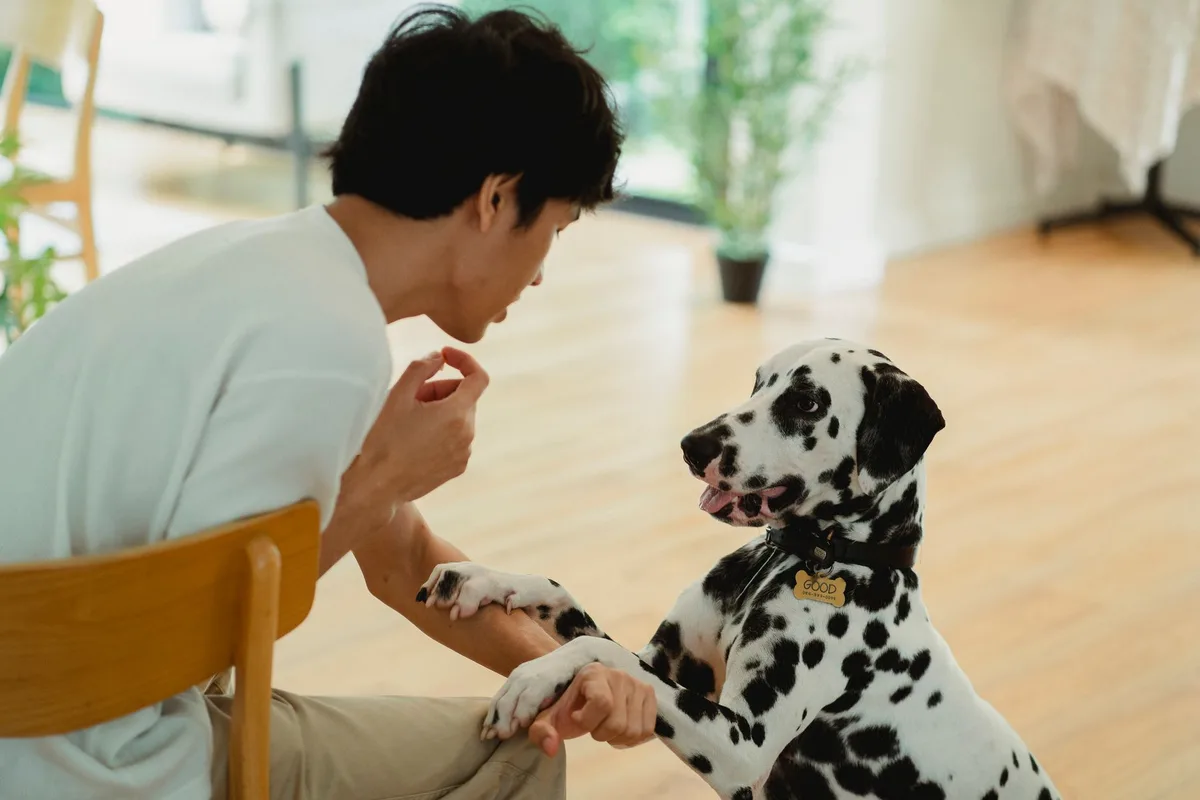
Positive reinforcement techniques are at the heart of effective dog training, transforming the learning experience into a rewarding journey for both dog and owner. These methods involve rewarding desired behaviors, making them more likely to be repeated. By using positive reinforcement dog training, owners can effectively teach basic commands such as sit, stay, and come.
One popular strategy is clicker training, where a click sound marks the exact moment a dog performs the correct behavior, followed by a treat reward. This method helps in reinforcing behaviors quickly and clearly. Another effective training technique involves using high-value treats to motivate and encourage the dog to learn new commands.
Positive reinforcement not only encourages desired behaviors but also builds a trusting relationship between the dog and owner, making training more enjoyable. This approach improves a dog’s learning experience by associating training with positive outcomes, thus enhancing their overall behavior. For more tips on effective training techniques, consider keeping sessions short and celebrating improvements consistently.
The Science Behind Positive Reinforcement
The science behind positive reinforcement reveals why it is one of the most effective training methods, leveraging a dog’s natural learning processes. By rewarding desired behaviors, dogs associate their actions with positive outcomes, enhancing learning. Each dog responds differently based on individual preferences and motivations, making tailored approaches crucial.
Scientific studies consistently support the effectiveness of positive reinforcement. For instance, the American Kennel Club highlights its role in achieving lasting results. Understanding dog training psychology allows trainers to optimize methods for each dog’s unique needs, ensuring a more successful training experience.
Reward Systems: Treats, Praise, and Play
Choosing the right rewards for your dog can significantly influence their motivation and success during training sessions. Using a mix of treats, praise, and play can keep training sessions engaging and help dogs learn faster by appealing to their individual motivations. The best training treats for dogs are often high-value snacks that your pet finds irresistible. For some dogs, verbal praise or a quick game of fetch can be equally effective dog training rewards. Varying these rewards based on your dog’s personality and the training context is an effective training strategy to maintain their interest and reinforce positive behavior.
Common Mistakes to Avoid with Positive Reinforcement
Avoiding common mistakes in positive reinforcement can drastically improve your dog’s training experience and success. One frequent error is inconsistent timing when rewarding desired behaviors, which can confuse your pet. Additionally, unclear commands or over-rewarding might lead to dog training errors. To enhance training outcomes, ensure rewards are timely and commands are clear.
Training Tips for Puppies vs. Adult Dogs: Key Differences
Training a puppy is vastly different from training an adult dog, with each stage presenting unique challenges and opportunities. Understanding the developmental stages of dogs can help owners tailor their training methods to suit the specific needs of puppies versus adult dogs.
| Aspect | Puppy Training Tips | Adult Dog Training Techniques |
|---|---|---|
| Attention Span | Puppies have shorter attention spans. Keep sessions under five minutes [source]. | Adults can focus longer, allowing for 15-minute sessions [source]. |
| Energy Levels | High energy requires engaging activities and frequent breaks. | Consistency and patience are key, as adults may have ingrained habits. |
| Training Approach | Use positive reinforcement and high-value treats to capture interest [source]. | Focus on reinforcing desired behaviors and basic commands like sit, stay, and come. |
Recognizing these dog training differences ensures a more effective and rewarding experience for both the owner and the dog.
Unique Challenges of Training Puppies
Training puppies comes with its own set of challenges, from short attention spans to the need for early socialization. Puppies require a different approach to training, focusing on socialization and impulse control to set the foundation for lifelong good behavior. Start early to establish good habits, keeping sessions short and engaging.
| Challenge | Strategy |
|---|---|
| Socialization Needs | Introduce your puppy to new environments and people gradually. |
| Impulse Control | Use positive reinforcement to encourage patience and calm behavior. |
| Short Attention Span | Keep training sessions short, ideally under five minutes, and fun. |
Approaches for Training Adult Dogs
Training adult dogs can be rewarding, as they often bring a wealth of experience and established behaviors to the table. Patience and consistency are key in adult dog training strategies. Reinforcing existing behaviors and addressing ingrained habits are crucial. Effective training for adult dogs involves using established commands and routines.
| Strategy | Benefits |
|---|---|
| Positive Reinforcement | Encourages good behavior with rewards, fostering a positive learning environment. |
| Established Commands | Helps in maintaining consistency and clarity for the dog, reducing confusion. |
| Routine Training | Builds a structured environment, making it easier to manage and predict behavior. |
Common behavioral issues such as excessive barking or pulling on the leash can be addressed by reinforcing desired behaviors and maintaining a consistent training schedule. Understanding how to train an older dog involves adapting techniques to suit their learning pace and existing habits.
Adjusting Techniques Based on Age and Development
Adjusting your training techniques based on your dog’s age can lead to more effective and enjoyable learning experiences. Adapting training techniques to a dog’s age can enhance learning and ensure that training remains effective and enjoyable throughout their life stages.
| Age Group | Training Techniques |
|---|---|
| Puppies | Use short sessions with basic commands like sit and stay, incorporating positive reinforcement and treats. |
| Adolescents | Increase complexity with commands like recall and heel, maintaining flexibility to match their learning rate. |
| Adults | Focus on reinforcing existing skills and introducing new challenges to keep training engaging. |
Handling Distractions and Knowing When to Seek Professional Help
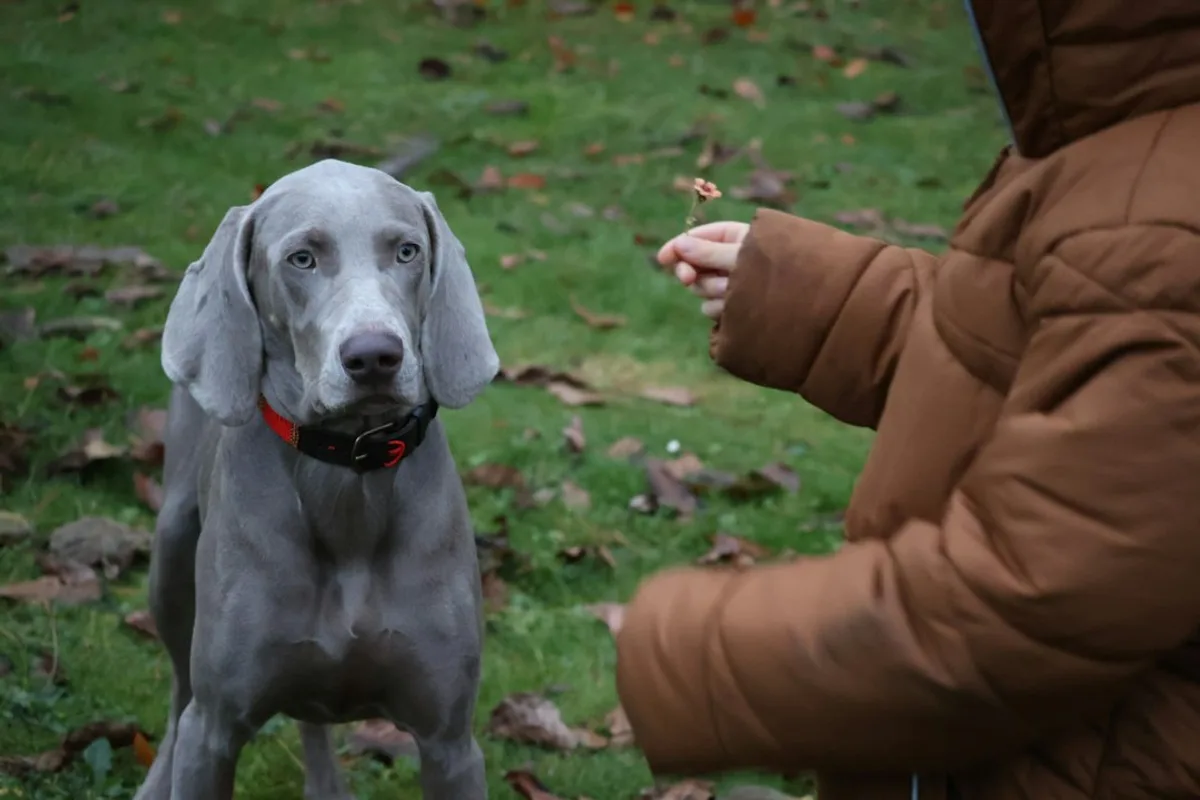
Handling distractions effectively during training is crucial for ensuring your dog learns commands without confusion. To minimize distractions during dog training, start by selecting a quiet environment free from unnecessary noise and movement. This setting allows your dog to focus solely on the task at hand, enhancing their ability to retain commands. As your dog becomes more proficient, gradually introduce distractions to help them learn to concentrate in varied situations.
Incorporating focus strategies for dog training, such as using high-value treats or toys, can help maintain your dog’s attention. Positive reinforcement is key; rewarding your dog immediately when they respond correctly encourages them to repeat the desired behavior. For example, when teaching basic commands like “sit” or “stay,” reward your dog promptly to reinforce the behavior.
If distractions become overwhelming or progress stalls, consider seeking professional help. A trainer can offer tailored strategies and insights into understanding dog behavior, ensuring that training remains effective and enjoyable for both you and your pet.
Strategies to Minimize Distractions During Training
Creating a distraction-free environment is key to successful dog training, allowing your pet to focus solely on learning commands. Choose a quiet location and train during times when your dog is most attentive. Use focus commands like “watch me” to regain attention if distractions arise. Consistency in training locations helps reinforce learning.
Signs It’s Time to Consult a Professional Trainer
Knowing when to consult a professional dog trainer can make a significant difference in overcoming training challenges and achieving success. Persistent behavioral issues or a lack of progress in basic commands like sit and stay may indicate the need for expert help. A professional trainer provides tailored plans, ensuring your dog receives the best guidance.
To find a qualified dog trainer, look for certifications and positive reinforcement techniques. Recognizing these signs can save time and improve training outcomes, enhancing your pet’s learning experience.
Real-Life Dog Training Experiences: Case Studies and Success Stories
Real-life success stories of dog training highlight the transformative power of effective techniques and the bond formed between dogs and their owners. One inspiring dog training case involved a high-energy Border Collie named Max, who struggled with basic commands. Through consistent positive reinforcement and short training sessions, Max learned to sit, stay, and come, greatly improving his behavior and his owner’s confidence.
Another example features a rescued Labrador Retriever, Bella, who had anxiety issues. Her owner used high-value treats and celebrated small improvements, which gradually helped Bella become more relaxed and responsive. The emotional impact of these successes is profound, fostering a deeper connection between the dog and owner.
These real-life dog training examples demonstrate the importance of understanding dog behavior and using techniques like positive reinforcement. As these stories show, patience and consistency are key, and the rewards are a happier, more obedient pet. For more insights, consider the AKC’s training tips that emphasize reinforcing desired behaviors.
Transformative Stories of Dog Behavior Change
Transformative stories of dog behavior change illustrate the profound impact of dedicated training efforts on both dogs and their owners. For instance, a once-aggressive German Shepherd learned to socialize using positive reinforcement and basic commands like sit and stay. Owner commitment and consistency were crucial in this inspiring dog training journey, highlighting the effectiveness of tailored approaches for different breeds.
Lessons Learned from Successful Training Journeys
Lessons learned from successful training journeys can provide invaluable insights for dog owners looking to improve their training techniques. Key takeaways include the importance of patience and adaptability. Engaging with community support and resources can significantly aid in achieving training goals. Learning from others’ dog training experiences offers practical strategies that can enhance your own efforts.
FAQs About Dog Training Tips

Discover effective strategies for training your dog, including positive reinforcement and basic commands like sit, stay, and come. Understanding your dog’s behavior is crucial for successful training. For more detailed guidance, visit the American Kennel Club.
How Long Does It Take to Train a Dog?
The time it takes to train a dog can vary widely, influenced by factors like age, breed, and the consistency of training methods. Generally, dog training duration spans several weeks to months. Younger dogs or those with previous training might learn faster, while others may require more time. Consistency in training sessions and techniques plays a crucial role in determining how long to train a dog effectively.
Individual learning speeds differ, so patience is essential during the training journey. Employing positive reinforcement techniques and focusing on basic commands like sit, stay, and come can expedite the process. It’s important for owners to tailor their expectations to their dog’s unique learning pace, ensuring a successful dog training timeline.
For more tips on effective training, consider using positive reinforcement and keeping sessions short and engaging.
What Are the Best Treats for Training?
Choosing the right treats for training can significantly enhance your dog’s motivation and willingness to learn new commands. The best dog training treats are small, soft, and highly palatable, ensuring your dog remains focused and eager throughout the session. By using a variety of treats, you can maintain your dog’s interest and motivation, which is crucial for effective training rewards. Avoid treats that are too large or difficult to chew, as they can disrupt the flow of training and reduce your dog’s responsiveness.
Positive reinforcement techniques, such as rewarding your dog with these treats, can help reinforce basic commands like sit, stay, and come. Understanding your dog’s behavior and learning preferences will further enhance the training experience, making it more enjoyable and productive for both you and your furry friend.
Can Older Dogs Learn New Tricks?
Many owners wonder if older dogs can learn new tricks, and the answer is a resounding yes, with the right approach and encouragement. Older dogs can absolutely learn new commands, although it may take more time and patience compared to younger dogs. It’s important to consider the dog’s physical condition and cognitive abilities when introducing new commands. Tailoring training sessions to suit their needs is crucial.
Using positive reinforcement techniques, such as high-value treats and praise, can make the process enjoyable for senior dogs. This approach encourages learning and helps reinforce desired behaviors. Short, frequent training sessions, around 15 minutes a few times a day, can be effective for teaching tricks to older dogs. With patience and the right techniques, training older dogs can be a rewarding experience, proving that senior dogs can indeed learn and thrive.
How Often Should I Train My Dog Each Day?
Determining how often to train your dog each day can significantly influence their learning and retention of commands. Ideally, training sessions should be short and frequent, lasting around 5-10 minutes. This approach helps maintain your dog’s focus and enthusiasm. Daily training is beneficial, but the exact frequency can vary depending on your dog’s age and energy levels. Puppies and high-energy breeds might benefit from more frequent sessions, while older or lower-energy dogs may require fewer.
Consistency in timing and routine is crucial for reinforcing learning and establishing good habits. Short, frequent training sessions are often more effective than longer, infrequent ones, especially for maintaining a dog’s interest. Using positive reinforcement techniques during these sessions can further enhance your dog’s response and eagerness to learn. For more detailed tips, consider exploring resources like the MSPCA’s training guide.
What If My Dog Isn’t Responding to Training?
If your dog isn’t responding to training, it can be frustrating, but understanding the underlying issues can lead to effective solutions. Often, a dog not responding to training may be due to distractions, lack of motivation, or unclear commands. Start by evaluating the training environment; a quiet space can help minimize distractions. Simplifying commands can also improve your dog’s understanding and response.
Incorporating positive reinforcement techniques, such as using high-value treats, can further motivate your dog. If these adjustments don’t lead to improvement, consulting a professional trainer can provide personalized strategies tailored to your dog’s specific training challenges. Identifying the root cause of a dog’s lack of response is crucial for developing effective strategies to improve their engagement and learning.
Key Takeaways About Dog Training Tips
Key takeaways about dog training tips emphasize the importance of consistency, positive reinforcement, and adapting methods to suit individual dogs. Consistency in training helps dogs understand what is expected of them, making it easier for them to learn commands such as sit, stay, and come. Using positive reinforcement, like high-value treats or praise, encourages desired behaviors and strengthens the bond between you and your dog. Positive reinforcement techniques are particularly effective for lasting results.
Adapting training techniques based on your dog’s age and personality is also crucial. Puppies might require shorter, more frequent sessions, while older dogs may benefit from more structured routines. It’s essential to keep training sessions short and enjoyable, ideally not exceeding five minutes at a time, to maintain your dog’s attention and enthusiasm. Short and enjoyable sessions are key to successful training.
Understanding dog behavior and learning patterns further enhances training effectiveness. By observing your dog’s responses, you can tailor your approach to better suit their needs. This dog training summary highlights that continuous learning and application of these effective dog training tips will lead to a well-behaved and happy pet. Reinforcing these key points of dog training ensures that readers leave with a clear understanding of how to train their dogs successfully.