Why Detailed Strategies for Socializing Dogs Are Essential
Socializing dogs is crucial for their mental health, helping them become well-adjusted members of society. The importance of dog socialization lies in its ability to reduce anxiety and improve behavior, making dogs more adaptable to various environments and situations. This process is not just about exposure; it involves creating positive associations with new experiences, significantly influencing a dog’s temperament and behavior throughout its life.
Proper socialization can prevent behavioral issues such as fear-based aggression and excessive barking. A well-socialized dog is less likely to react aggressively when encountering new people or animals. This adaptability is vital, especially when introducing dogs to different environments, ensuring they remain calm and composed.
Moreover, socialization provides psychological benefits, enhancing a dog’s confidence and reducing stress. By enrolling in a dog socialization class or taking regular walks in public spaces with a properly secured leash, owners can help their dogs become more comfortable and well-behaved companions.
When and How to Start Socializing Your Dog
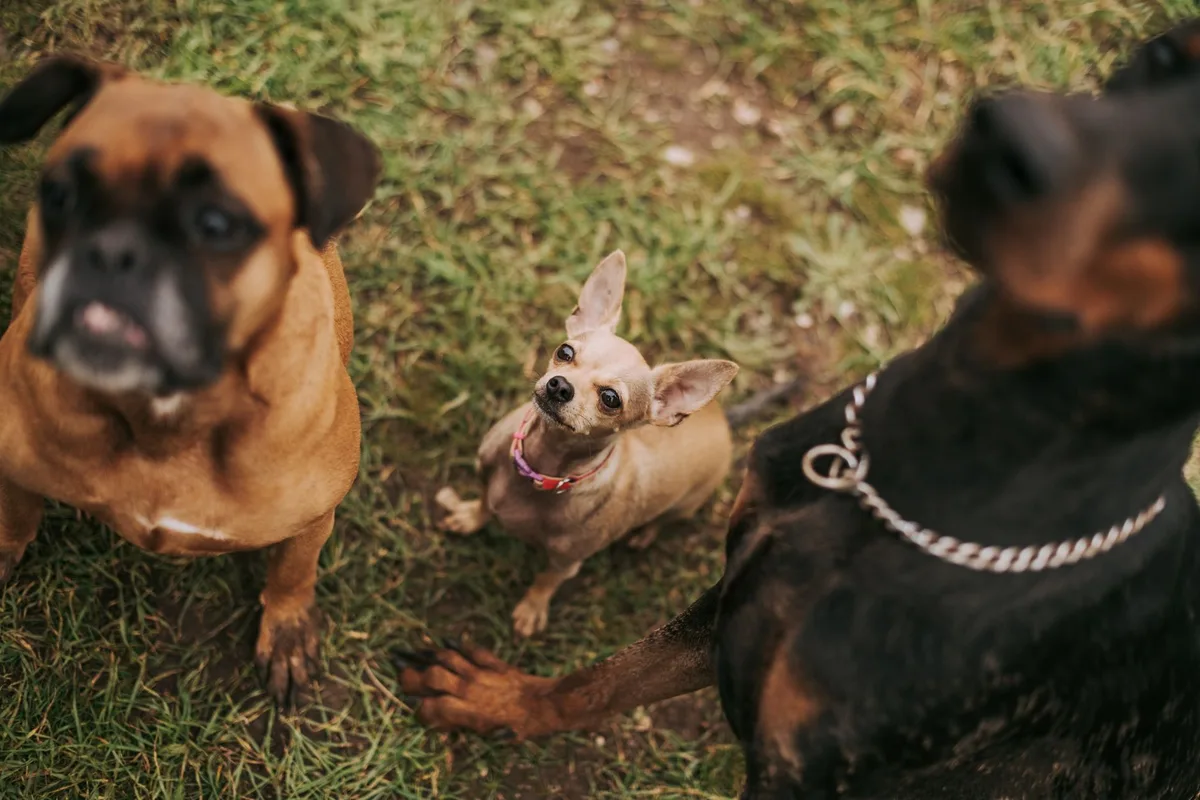
The first few months of a dog’s life are critical for socialization, laying the foundation for their future behavior. To ensure your dog grows into a well-adjusted adult, it’s essential to start socializing them between 3 to 14 weeks of age. This period is considered the best age to socialize dogs, as they are more receptive to new experiences.
- 3-4 weeks: Begin with gentle handling and brief interactions with family members.
- 5-7 weeks: Introduce your puppy to different environments, such as parks and quiet streets.
- 8-10 weeks: Gradually expose them to other animals and friendly strangers.
- 11-14 weeks: Increase the complexity of social settings, like supervised playdates.
Consistency and routine are vital in reinforcing positive experiences, helping your dog become more confident and less prone to fear or aggression. For more tips, consider enrolling in a dog socialization class.
Ideal Age for Socialization
Puppies are most receptive to socialization between 3 and 14 weeks, making this period crucial for their development. During these puppy socialization stages, early exposure to diverse sounds, sights, and smells is vital. The optimal age for puppy socialization can vary by breed; for example, larger breeds may need more time to adapt to new experiences compared to smaller breeds due to differences in temperament and energy levels.
Recognizing Signs of Readiness
Recognizing your dog’s readiness for socialization is vital to ensure a positive experience. Key indicators of readiness include curiosity, playfulness, and a relaxed posture with a wagging tail. To assess if your dog is ready, observe their comfort level in new situations. Gradual exposure is crucial, as overwhelming them can hinder progress. Look for dog socialization readiness indicators like approaching new people or environments with enthusiasm.
Initial Steps to Take
Taking the first steps in socializing your dog can set the tone for their future interactions with the world. Here are some initial steps for dog socialization:
- Begin in familiar settings to build your dog’s confidence. This could be your backyard or a friend’s home.
- Gradually introduce your dog to new environments like parks and busy streets, ensuring they remain comfortable.
- Use positive reinforcement techniques, such as treats and praise, during interactions with new people and animals.
Starting in a controlled environment can help build a dog’s confidence before exposing them to more chaotic settings.
Detailed Strategies for Introducing Dogs to New Environments
Introducing dogs to new environments requires careful planning and tailored strategies to ensure a positive experience. Understanding the differences between urban and rural socialization needs can help tailor the approach to each dog’s experiences and comfort levels.
- Urban Environments: Gradually expose your dog to city noises by playing recordings of traffic and crowds at a low volume, increasing over time. This desensitization helps dogs adjust to the bustling urban landscape.
- Rural Areas: Socializing dogs in rural environments can be challenging due to limited exposure. Organize playdates with other pets or visit nearby towns to introduce diverse stimuli.
- Busy Public Spaces: Start with less crowded times when introducing dogs to markets or festivals. Ensure your dog is leashed and comfortable, gradually increasing exposure as they become more confident.
For more insights on dog socialization, visit the Guide Dog Foundation.
Preparing Your Dog for New Experiences
Preparing your dog for new experiences can make the difference between fear and curiosity. Here’s how to acclimate dogs to new environments:
- Use positive reinforcement: Reward your dog with treats and praise to create a positive association with new experiences.
- Gradual exposure: Start with low-stress environments, gradually introducing new sights and sounds.
- Familiarize with surfaces: Encourage your dog to walk on grass, concrete, and gravel to build confidence across different terrains.
Using positive reinforcement techniques can significantly enhance a dog’s willingness to explore new environments without fear.
Gradual Exposure Techniques
Gradual exposure techniques can transform a fearful dog into a confident explorer. By pacing the exposure, you prevent overwhelming your pet and help them learn to cope with new stimuli at their own pace, reducing anxiety. Here are some effective techniques for socializing dogs gradually:
- Engage in the ‘look at that’ game to encourage curiosity.
- Start with short, structured socialization sessions.
- Gradually increase the complexity of these sessions.
Gradual exposure for dog socialization not only builds confidence but also ensures a positive experience for your furry friend.
Monitoring and Adjusting to Your Dog’s Reactions
Monitoring your dog’s reactions is crucial to ensure their comfort and success during socialization. Being attuned to a dog’s body language can help owners make real-time adjustments to socialization strategies, ensuring a positive experience. Here’s how to monitor your dog’s reactions:
- Observe body language: Look for signs like tail tucking or excessive panting, which indicate stress.
- Adjust pace: If your dog shows discomfort, slow down the socialization process.
- Stay attuned: Continuously monitor dog reactions to modify techniques as needed.
Overcoming Socialization Challenges: Anxiety and Aggression
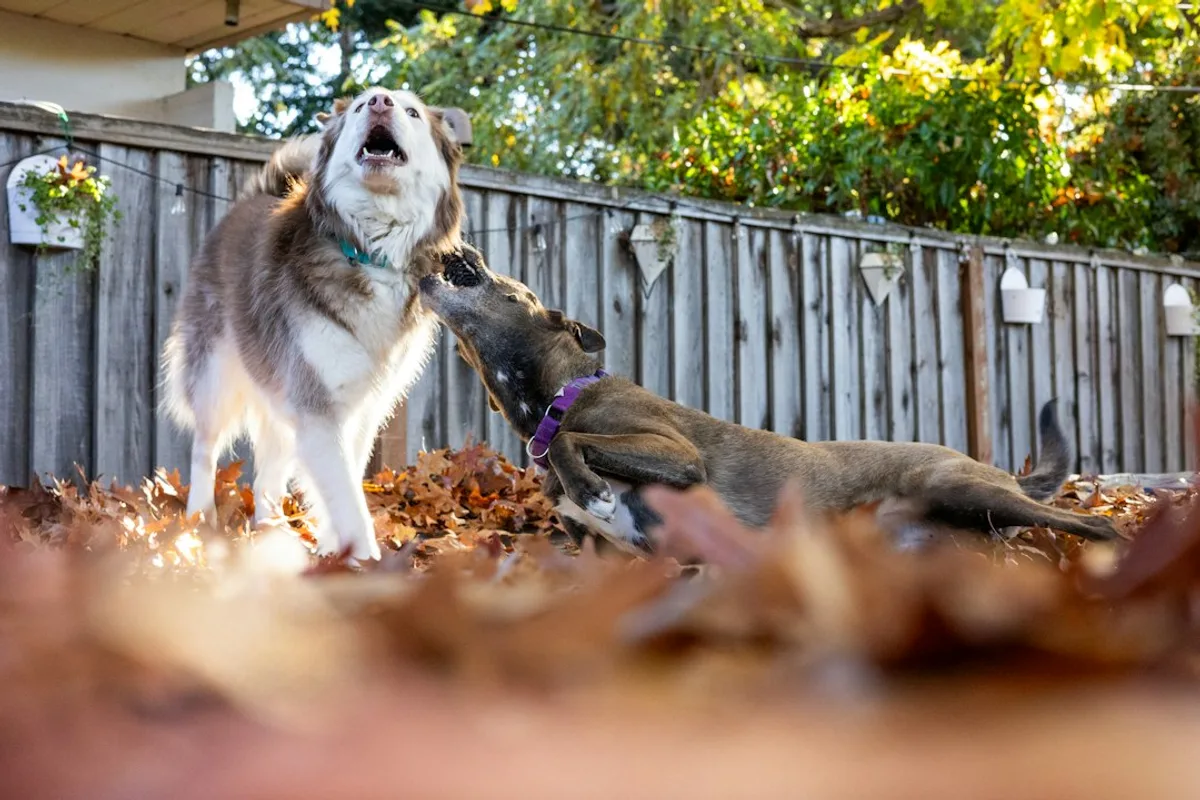
Identifying the causes of anxiety and aggression is the first step in successfully socializing your dog. Common triggers include loud noises and unfamiliar people, which can provoke anxiety in dogs. Early experiences play a significant role in shaping a dog’s response to social situations. A puppy exposed to a variety of people and environments is more likely to adapt well as an adult.
Breed-specific tendencies also influence socialization challenges. Some breeds may be more prone to anxiety or aggression due to their genetic makeup. Understanding these root causes allows owners to tailor their socialization strategies, ensuring they meet their dog’s unique needs and help them thrive in social settings.
Identifying Causes of Anxiety and Aggression
Understanding the underlying causes of your dog’s anxiety is essential for effective socialization. Fear-based responses often lead to aggressive behavior, making it crucial to identify specific triggers. Watch for signs like growling, cowering, or excessive barking, which indicate a dog feels threatened. Recognizing these triggers allows owners to create a more supportive environment, easing the socialization process.
Effective Strategies for Managing Anxiety
Managing your dog’s anxiety effectively can pave the way for successful socialization. Implementing calming techniques like desensitization and counter-conditioning can significantly improve a dog’s ability to cope with new experiences. Creating a safe space during stressful situations helps anxious dogs relax. For severe anxiety, consulting professional trainers or behaviorists is advisable. These strategies collectively enhance socialization success, making interactions more enjoyable for your pet.
Approaches to Address Aggression
Addressing aggression in dogs requires careful planning and targeted approaches to ensure safety and success. Early intervention is crucial in managing dog aggression, as it helps prevent escalation. Introducing aggressive dogs to new situations should occur in controlled environments, such as socialization classes enroll in a dog socialization class. Understanding aggression triggers allows owners to implement positive reinforcement and training, redirecting unwanted behaviors effectively.
Interactive Activities as Detailed Strategies for Dog Socialization
Interactive activities provide a fun and effective way to enhance your dog’s socialization experience. Engaging in structured activities like agility courses and obedience training not only helps socialize dogs but also strengthens the bond between the dog and owner, enhancing overall training effectiveness. Dog playdates offer a relaxed environment where your pet can develop social skills with other dogs. Additionally, participating in community events for dogs, such as dog fairs or adoption events, encourages interaction with diverse canine companions and people. These interactive dog socialization activities are essential for fostering a well-adjusted pet, ensuring they are comfortable and confident in various social settings.
Games and Playdates
Playdates can be a vital component in a dog’s socialization journey, offering opportunities for fun and learning. Organizing dog playdates for socialization with well-adjusted dogs can serve as a model for positive interactions, helping less socialized dogs learn appropriate behaviors. Choose playmates based on size and temperament to ensure safe, enjoyable experiences. Monitor play to maintain a positive environment, fostering healthy social skills.
Training Classes and Workshops
Training classes can be an excellent way to boost your dog’s socialization skills in a structured environment. Enrolling in dog training classes for socialization offers numerous benefits, including teaching obedience while providing a controlled setting for dogs to interact. Group classes, such as puppy kindergarten socialization, focus on developing social skills under professional guidance, ensuring your dog learns to engage positively with both humans and other dogs.
Community Events and Dog Parks
Community events and dog parks are ideal settings for dogs to practice socialization skills in a lively atmosphere. Participating in events like dog shows or charity walks can help your dog meet a variety of people and other dogs, fostering confidence and social skills in diverse settings. Regular visits to dog parks offer varied social experiences, but always monitor interactions and understand park etiquette for safe play.
Frequently Asked Questions About Dog Socialization
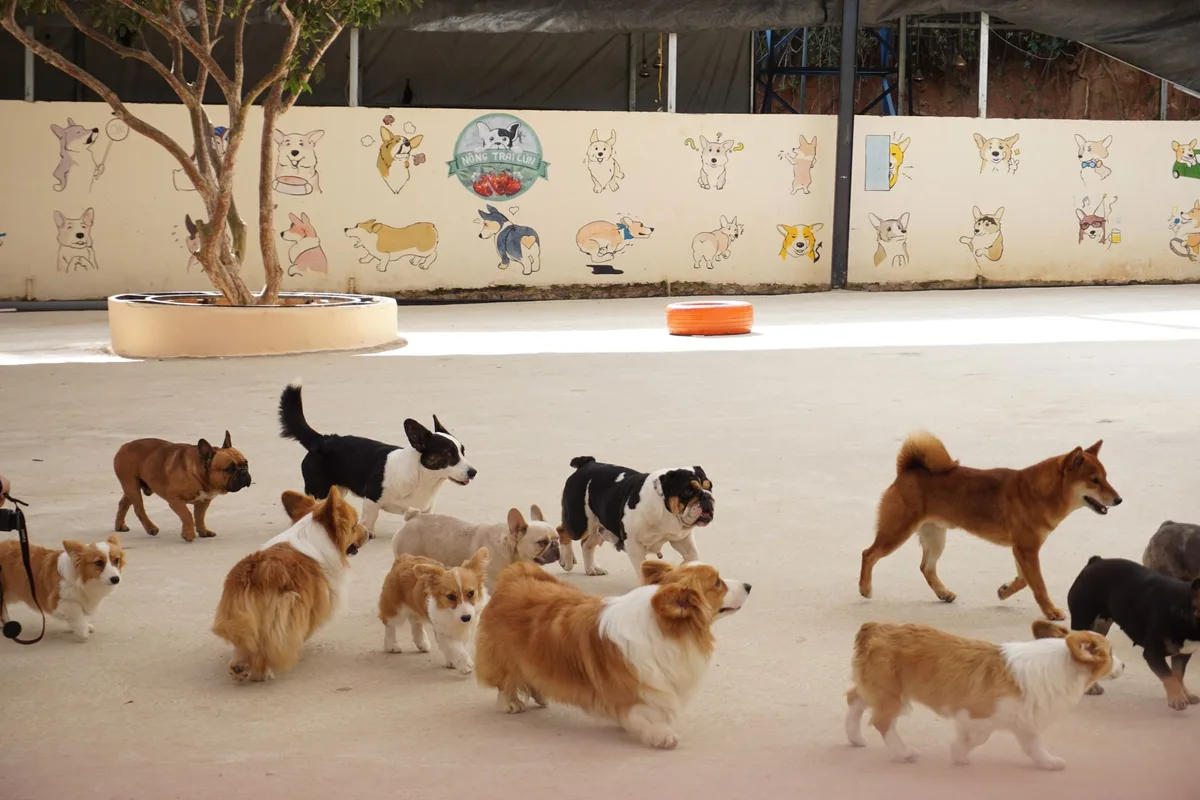
When should I start socializing my dog? Begin socialization as early as possible, ideally during puppyhood. However, older dogs can also benefit from structured socialization activities, such as attending classes with other dogs in a controlled environment. For more information, visit the ASPCA Pet Insurance resource page.
How long does the socialization process take?
The length of the socialization process varies, but with patience, most dogs can become well-adjusted over time. Typically, the duration of dog socialization ranges from several weeks to several months, influenced by the dog’s age and temperament. Consistent exposure and positive reinforcement can expedite the process, enhancing its effectiveness. Every dog is unique; some may adapt quickly, while others require more time to feel comfortable in social settings. Regular practice and patience are essential components of a successful socialization timeline for dogs.
Can older dogs be socialized effectively?
Older dogs can absolutely be socialized, though the process may differ from that of puppies. Yes, older dogs can be socialized effectively, but it often requires different techniques compared to younger pups. Gradual exposure to new environments and consistent positive reinforcement are crucial strategies for socializing older dogs. Consulting with a professional trainer can provide tailored approaches to help your dog adapt. While older dogs may have established behaviors, with patience and the right techniques for older dog socialization, they can learn to interact successfully with new people and other dogs.
What are common mistakes to avoid during socialization?
Avoiding common mistakes during socialization can significantly enhance your dog’s ability to adapt to new situations. Rushing the process or overwhelming your dog with too many new experiences at once can lead to stress and setbacks. Neglecting positive reinforcement is another common socialization error that can impede progress. Additionally, failing to read your dog’s body language might result in negative encounters. Lastly, insufficient exposure to varied environments can hinder social development. Being aware of these pitfalls helps dog owners create a more positive and effective socialization experience for their pets.
How can I tell if my dog is well-socialized?
Recognizing the signs of a well-socialized dog can help ensure your pet remains confident and adaptable. A well-socialized dog typically shows calm behavior around new people and animals, willingly explores new environments, and engages positively during play. Such dogs often exhibit confidence and adaptability in various social situations. Regular exposure to diverse stimuli is also a hallmark of a well-socialized dog. Understanding these characteristics can help owners continue fostering positive social behaviors throughout their pet’s life, ensuring a happy and well-adjusted companion.
Key Takeaways About Socializing Your Dog
Socializing your dog is not just a one-time effort; it’s a lifelong commitment that enriches their life. The importance of dog socialization cannot be overstated, as it helps your pet become well-adjusted and confident in various environments. Continual socialization is essential, as dogs benefit from new experiences and interactions at every stage of their lives.
Key takeaways on dog socialization include starting the process early and maintaining it throughout your dog’s life. Whether you’re introducing your dog to people or other animals, consistency is key. Enrolling in a dog socialization class can provide a controlled environment for your pet to learn and adapt [source]. Additionally, regular walks in public places offer valuable opportunities for socialization [source].
Ultimately, being proactive in seeking socialization opportunities will ensure your dog leads a happy and fulfilling life. Remember, socialization is an ongoing journey that requires patience and dedication.