What Makes the Best Dog Breeds for Apartments
Living in an apartment doesn’t mean you have to forgo the joy of having a dog; some breeds thrive in compact environments. The best dog breeds for apartments often combine low energy levels with a friendly temperament, making them ideal companions in smaller living spaces.
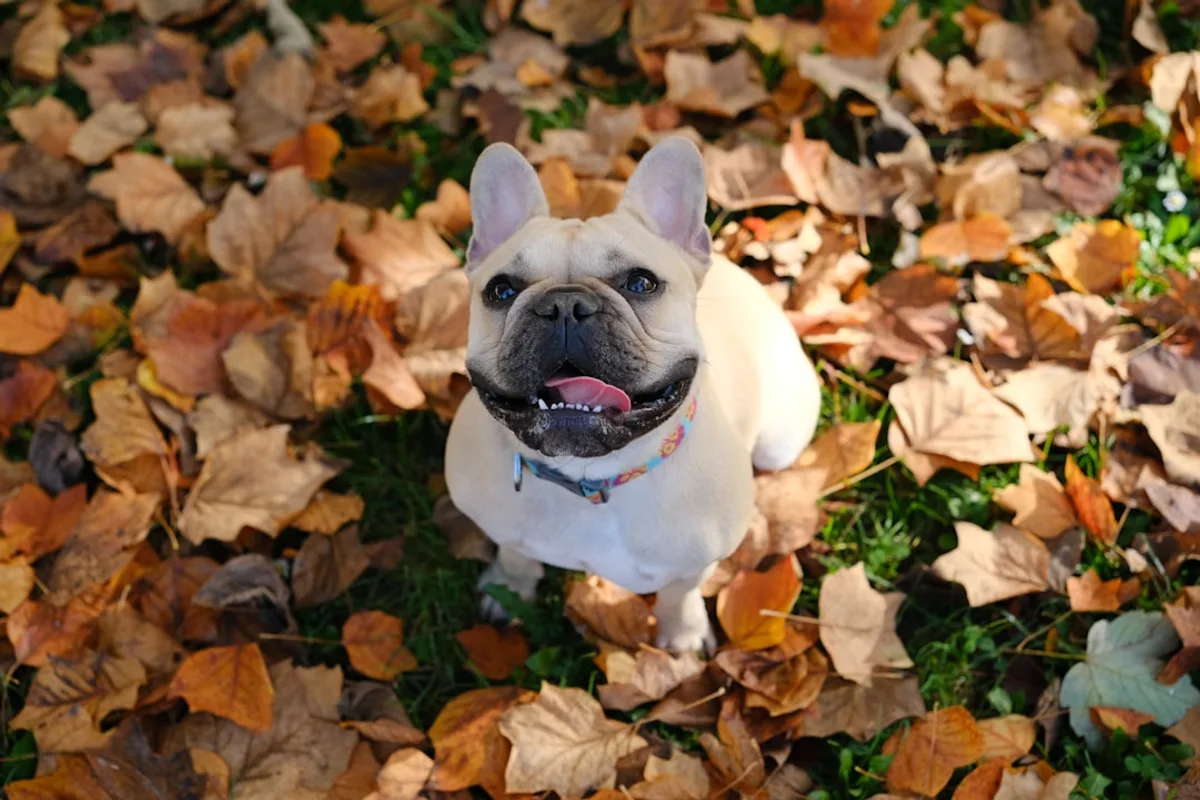
Smaller breeds, such as French Bulldogs and Pugs, are particularly well-suited to apartment life. These dogs adapt well to limited space due to their compact size and generally calm demeanor. Their moderate exercise needs mean they can be content with short walks and indoor play, rather than requiring large yards for running.
Energy level and temperament are crucial factors when choosing a dog for apartment living. Breeds with lower energy levels, like the Maltese, thrive in small spaces and are less likely to become restless or destructive. Additionally, a friendly and adaptable nature ensures that the dog can comfortably coexist with neighbors and other pets.
For allergy sufferers, hypoallergenic breeds like the Bichon Frise are excellent choices. These dogs produce less dander, making them more suitable for close quarters where allergens can accumulate. By considering these apartment-friendly dog traits, you can find a breed that fits perfectly into your urban lifestyle.
Key Traits of Apartment-Friendly Dogs and Considerations for Choosing
Choosing the right dog for apartment living requires careful consideration of both the dog’s traits and your lifestyle. Key traits for apartment-friendly dogs include adaptability, low barking tendencies, and sociability. Breeds like the French Bulldog and Shih Tzu are known for their calm demeanor and minimal exercise needs, making them ideal for smaller spaces [source].
When choosing a dog for an apartment, it’s crucial to consider your lifestyle. If you have long work hours, a breed with lower energy levels might be more suitable. Additionally, training and socialization play a significant role in ensuring a dog fits well into apartment life. A well-trained dog is less likely to develop behavioral issues, which is essential in close living quarters.
Understanding your lifestyle and the dog’s needs can lead to a harmonious living situation, especially in smaller spaces. By focusing on these apartment dog traits and considerations, you can find a companion that thrives in your home environment.
Size and Space Requirements
Understanding the size dynamics of your living space is crucial when selecting a dog breed for apartment life. Small dog breeds, like the Dachshund and Chihuahua, typically require less space and are easier to manage. Medium and large breeds may struggle with limited layouts, but smaller breeds often have lower exercise needs, making them ideal for busy apartment dwellers.
Energy Levels and Exercise Needs
Understanding your dog’s exercise needs is essential for maintaining their health and happiness in an apartment environment. Breeds like the Cavalier King Charles Spaniel have lower exercise requirements, making them ideal for smaller spaces. Regular walks and playtime are crucial to prevent boredom and behavioral issues. Structured exercise routines help apartment dogs thrive, fitting seamlessly into busy lifestyles.
Temperament and Social Behavior
A dog’s temperament can significantly impact their adaptation to apartment living, making it a critical factor in your selection process. Calmness and sociability are key traits for apartment-friendly dogs. Breeds like the Shih Tzu are known for their friendly and adaptable nature, making them among the best social dogs for small spaces. Training also plays a crucial role in shaping a dog’s behavior to suit apartment life, ensuring a harmonious environment for both owners and neighbors.
Navigating Common Challenges of Apartment Dog Ownership

Owning a dog in an apartment presents unique challenges that require careful planning and management. Among the most common apartment dog issues are noise and space limitations. Dogs may bark excessively due to unfamiliar sounds or lack of exercise, which can disturb neighbors. Additionally, confined spaces can make it difficult for dogs to expend energy, potentially leading to destructive behavior.
Establishing a routine is crucial for managing dogs in small spaces. A consistent schedule helps dogs adjust to apartment living by providing structure and predictability. Regular walks and playtime are essential to meet their physical and mental needs.
Socialization is another key factor in mitigating behavioral issues. Regular interaction with other dogs and people can prevent anxiety and aggression, fostering a well-adjusted pet. Being aware of these challenges of apartment dog ownership allows prospective owners to prepare effectively, ensuring a harmonious living environment for both themselves and their pets.
Managing Barking and Noise
Barking can be a significant concern in apartment living, but with the right strategies, it can be effectively managed. Training and socialization are key to managing dog barking in apartments. Providing mental stimulation helps keep dogs engaged, reducing noise. Breeds like the Basenji, known as the ‘barkless dog’, are ideal quiet dog breeds for apartments.
Creating a calm environment can further aid noise control for apartment dogs. Reducing triggers such as loud noises or unfamiliar visitors can help minimize barking. Implementing effective training techniques and fostering a peaceful atmosphere can significantly reduce barking issues in apartment dogs.
Dealing with Limited Outdoor Access
Limited outdoor access can be challenging for apartment dogs, but there are plenty of ways to keep them active and engaged indoors. Regular walks and playdates in nearby parks are crucial for their well-being. Additionally, indoor activities like puzzle toys and training exercises can provide much-needed mental and physical stimulation. Learn more about apartment-friendly breeds.
Addressing Separation Anxiety
Separation anxiety is a common issue for dogs in apartments, but with the right approach, it can be effectively managed. Signs include excessive barking, destructive behavior, and pacing. To ease anxiety, try gradual desensitization and provide engaging toys. Establishing a consistent routine helps dogs feel secure. Understanding and addressing anxiety can lead to a more peaceful living environment for both the dog and the owner, especially in confined spaces.
Training Dogs for Apartment Living: Essential Tips
Training is a vital component of successful apartment living with a dog, ensuring a harmonious relationship and a well-behaved pet. Basic obedience training for apartment dogs not only helps with behavior management but also enhances the bond between the dog and owner, crucial in an apartment setting. Here are some essential training tips for small spaces:
- Focus on Basic Commands: Start with essential commands like sit, stay, and come. These form the foundation of obedience and are particularly important in confined spaces.
- Utilize Clicker Training: This method is highly effective in small spaces. It uses a clicker to mark desired behaviors, making it easier for dogs to understand and learn commands quickly.
- Maintain Consistency: Consistent training sessions are key. Set a regular schedule and stick to it, ensuring that your dog knows what to expect.
- Exercise Patience: Training requires patience. Celebrate small victories and understand that progress may take time.
By focusing on these training techniques, you can create a positive environment for your dog, making apartment living enjoyable for both of you.
Basic Obedience Training
Teaching your apartment dog basic commands is essential for their safety and your peace of mind. Focus on a few key commands to make training more manageable and effective in limited spaces. Use positive reinforcement for dogs to encourage learning. Here are the basic commands for apartment dogs:
- Sit: A foundational command that helps in various situations.
- Stay: Crucial for preventing unwanted movement.
- Come: Ensures your dog returns to you when called.
Incorporate short training sessions into your daily routine, using treats and praise to reinforce good behavior.
Potty Training in Small Spaces
Potty training your dog in an apartment can be challenging, but with the right approach, it can be achieved successfully. Here are some effective dog bathroom training tips for small spaces:
- Use pads or designate a specific area for your dog to relieve itself.
- Establish a consistent routine for bathroom breaks to build a habit.
- Employ positive reinforcement to encourage desired behavior.
Small space potty training requires creativity and consistency, making it essential to establish a clear routine for success.
Socialization with Neighbors and Other Pets
Socializing your apartment dog is crucial for their happiness and well-being, especially in a community living environment. Socialization not only helps dogs adapt to apartment life but also fosters a sense of community among residents, enhancing the living experience. Here are some tips for introducing dogs to neighbors and other pets safely:
- Start with brief, positive interactions to build comfort.
- Use treats to reward calm behavior during introductions.
- Gradually increase the duration of interactions as comfort grows.
Comparing Small, Medium, and Large Dog Breeds for Apartments
Choosing the right size dog for your apartment can significantly impact both your lifestyle and your pet’s happiness. Understanding the unique advantages and challenges of each size category can help prospective owners make informed decisions based on their living situation.
| Size | Pros | Cons |
|---|---|---|
| Small Breeds (e.g., Maltese) |
|
|
| Medium Breeds (e.g., Beagle) |
|
|
| Large Breeds (e.g., Labrador Retriever) |
|
|
For those with limited space, small vs medium dogs for apartments may offer the best balance, while large dog breeds
Pros and Cons of Small Breeds
Small dog breeds can be perfect for apartment living, but they come with their own unique set of challenges. These breeds often require less space and exercise, making them ideal companions for apartment dwellers. However, they may need special care in colder climates and can be prone to yapping.
| Pros | Cons |
|---|---|
| Lower exercise needs | Susceptible to cold weather |
| Easier management in tight spaces | Higher likelihood of yapping |
Examples of ideal small breeds for apartments include the Pomeranian and Shih Tzu.
Advantages of Medium-Sized Breeds
Medium-sized dogs can be an excellent choice for apartment living, offering a blend of energy and companionship. They often strike a balance between energy and space needs, making them versatile options for various lifestyles in apartments. However, they do require regular exercise and enough space to move comfortably.
| Breed | Advantages | Challenges |
|---|---|---|
| Cocker Spaniel | Adaptable, friendly | Needs regular exercise |
| Bulldog | Low energy, affectionate | Prone to overheating |
Challenges with Large Breeds
Large dog breeds can be a challenge in apartment settings, but with the right strategies, they can still lead happy lives. While large breeds can thrive in apartments with proper training and exercise, their size presents unique challenges that require thoughtful management.
| Challenge | Solution |
|---|---|
| Space Needs | Utilize vertical space and create designated areas for your dog. |
| Exercise Requirements | Regular walks and playtime outside the apartment. |
| Adaptability | Consider breeds like the Greyhound, known for being couch potatoes. |
Dog-Friendly Apartment Amenities and Services
Finding an apartment with the right amenities can make a world of difference for dog owners and their furry companions. Key dog-friendly apartment features include on-site dog parks, which offer a convenient space for exercise and socialization. Pet washing stations are another valuable amenity, simplifying the grooming process and keeping your living space clean. Additionally, apartments with pet-friendly policies ensure a welcoming environment for all residents.
Nearby amenities also play a crucial role in enhancing the living experience for dog owners. Proximity to veterinary services and pet supply stores can provide peace of mind and easy access to essential care and products. Community features like these can significantly improve the quality of life for both dogs and their owners.
Choosing an apartment with these pet amenities in apartments not only supports the well-being of your dog but also fosters a more enjoyable and stress-free living environment. Prioritizing these services for apartment dogs can lead to a harmonious and fulfilling lifestyle for you and your pet.
Pet-Friendly Building Features
Pet-friendly building features can greatly enhance the experience of living with a dog in an apartment. Essential amenities include designated dog areas and pet waste disposal stations. Buildings that offer dog-friendly services like grooming or daycare further enrich the environment. Flexible pet policies accommodating various breeds and sizes foster a sense of community among pet-owning residents.
Local Dog Parks and Walking Areas
Access to local dog parks can transform your apartment living experience, providing essential space for your dog to roam and play. Nearby parks and walking areas are crucial for dog health, offering safe environments for socialization and exercise. For apartment dwellers, searching “dog walking areas near me” can reveal the best parks for apartment dogs, enhancing their quality of life.
Access to Veterinary and Grooming Services
Having access to veterinary and grooming services nearby is essential for maintaining your apartment dog’s health and happiness. Regular check-ups and emergency care are vital veterinary services for apartment dogs. Additionally, grooming services near me help keep your pet clean in confined spaces. Seek recommendations from neighbors or online reviews to find reputable local pet care for apartment living.
FAQs About Apartment Living with Dogs
Choosing the right dog breed for apartment living can be challenging. What breeds are best suited for small spaces? Consider traits like size, energy level, and grooming needs. For more details, explore this guide on apartment-friendly breeds.
What are the best dog breeds for apartment living?
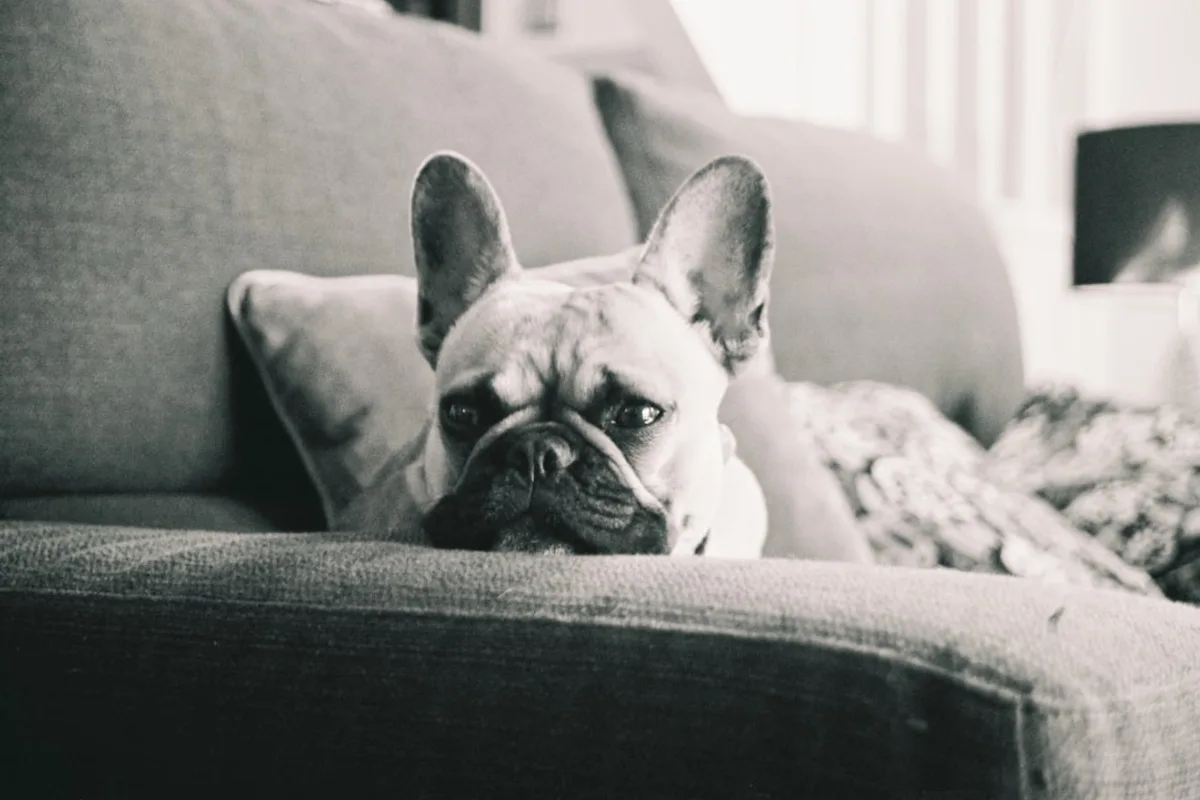
When it comes to apartment living, some dog breeds stand out due to their size and temperament. French Bulldogs, with their compact build and easygoing nature, are excellent choices for small spaces. Similarly, Cavalier King Charles Spaniels are known for their affectionate and adaptable personalities, making them well-suited for apartment life. Dachshunds, with their manageable size and playful demeanor, also thrive in confined environments. Each of these breeds offers unique traits that align well with the constraints of apartment living, ensuring a harmonious coexistence. For more information on apartment-friendly breeds, consider exploring resources like the Healthy Pet House for additional insights.
How much exercise do apartment dogs need?
Apartment dogs require a balanced exercise routine to stay healthy and prevent behavioral issues. Generally, these dogs need regular exercise each day, depending on their breed and energy level. Regular walks, playtime, and mental stimulation are crucial for their well-being. For example, a Maltese may need less exercise compared to a more active breed like a Corgi. It’s important to consider factors such as age, size, and health when determining their exercise needs. Tailoring exercise routines to fit the dog’s specific requirements ensures they remain healthy and happy in an apartment environment.
Can large dogs live comfortably in an apartment?
Many large dog breeds can adapt to apartment living, provided their exercise and space needs are met. With the right management and care, large dogs can thrive in apartment settings, but owners must be proactive in meeting their needs. Breeds like Greyhounds and Great Danes are among the best large breeds for small spaces due to their calm demeanor and adaptability. These dogs can live comfortably in apartments if they receive adequate exercise and mental stimulation.
It’s crucial to consider the dog’s energy level and temperament when choosing a large breed for an apartment. Managing big dogs in apartments involves regular walks, playtime, and training to ensure they remain happy and healthy. With commitment, large dogs can be excellent companions in urban environments.
How do I manage barking in a small space?
Barking can be a significant concern in apartment living, but with the right strategies, it can be effectively managed. Consistent training and positive reinforcement are key to managing dog barking in apartments. Providing adequate mental stimulation through toys and interactive games can also help keep your dog engaged and less prone to barking.
Consider soundproofing techniques, such as adding rugs or curtains, to minimize noise and create a calm environment that reduces barking triggers. Choosing quiet dog breeds for apartments, like the Basenji, can also be beneficial. Implementing effective training and environmental adjustments can significantly reduce barking issues in apartment dogs. For more breed options, the American Kennel Club provides a comprehensive list of apartment-friendly dogs.
What should I consider before adopting a dog for my apartment?
Before adopting a dog for your apartment, it’s essential to consider various factors that will affect both your life and your pet’s. Start by evaluating the breed size, energy level, and temperament. Smaller breeds like the Maltese are often ideal for small spaces due to their minimal exercise needs. Additionally, assess your lifestyle, including work hours and activity levels, to ensure a good match. Research local pet policies and amenities, such as nearby parks or pet-friendly facilities, to create a suitable environment for your dog. Understanding your living situation and the dog’s needs is crucial for ensuring a successful adoption and harmonious living experience.
Key Takeaways About Choosing the Best Dog Breeds for Apartments
Selecting the best dog breed for apartment living involves careful consideration of both the dog’s traits and your own lifestyle. Key takeaways for apartment dogs include focusing on breeds that are small to medium-sized and have a calm temperament. Breeds like the Maltese or French Bulldog are excellent choices due to their adaptability to confined spaces and minimal exercise needs.
Before making a decision, it’s crucial to consider your lifestyle. Are you often away from home? Do you have time for regular walks and grooming? These factors can significantly impact your choice. For instance, a Shih Tzu might be ideal if you don’t mind grooming, while a Greyhound could suit a more laid-back lifestyle.
Prospective owners should also explore adoption opportunities at local shelters, where many apartment-friendly dogs await new homes. This approach not only provides a loving home to a dog in need but also offers a chance to find a breed that matches your living situation. Ultimately, choosing the right dog breed for apartment living is a multifaceted decision that involves understanding both the dog’s needs and your lifestyle. With thoughtful consideration, you can find a perfect furry companion for your apartment life.