Why a Dog Breed Matching Quiz is Essential for Pet Owners
Choosing the right dog breed is crucial for a harmonious relationship, and a matching quiz can be the key to finding that perfect fit. A dog breed matching quiz helps prospective owners identify breeds that align with their lifestyle and preferences, enhancing long-term satisfaction and reducing the likelihood of mismatches.
Understanding breed characteristics and needs before adoption is vital. By using a quiz, potential owners can streamline the adoption process, ensuring they select a breed that suits their living situation and personal habits. This proactive approach minimizes the risk of returns and fosters a fulfilling companionship.
Key Factors in Choosing the Right Dog Breed
Selecting the right dog breed involves more than just preference; it requires careful consideration of various lifestyle factors. Key elements include your activity level, work schedule, and family dynamics, all of which play a crucial role in breed selection. Additionally, dog size can significantly impact living arrangements and daily routines. Understanding breed characteristics like energy level, grooming needs, and potential health issues ensures that both the owner and the dog thrive together.
Lifestyle Considerations and Activity Levels
Your lifestyle plays a pivotal role in determining the best dog breed for you, especially when it comes to activity levels. Active dog breeds like Border Collies thrive in energetic environments, while Bulldogs are more suited to a sedentary lifestyle. Matching a dog’s activity level with your lifestyle can prevent behavioral issues and ensure a fulfilling companionship.
Space Requirements and Living Conditions
The right dog breed must fit not only your lifestyle but also your living space, which varies significantly across breeds. For instance, a Cavalier King Charles Spaniel thrives in small apartments, while larger breeds like Labrador Retrievers need spacious yards. Urban or rural environments also influence breed suitability, affecting how well dogs adapt to different living conditions.
Temperament and Personality Traits
The personality of a dog can be just as important as its breed, influencing how well it fits into your home. Dog breed temperament varies widely; for instance, Golden Retrievers are known for their friendliness, while Chihuahuas are celebrated for loyalty. Matching a dog’s temperament with your personality and family dynamics ensures a harmonious household.
Personalized Dog Breed Recommendations for Every Lifestyle
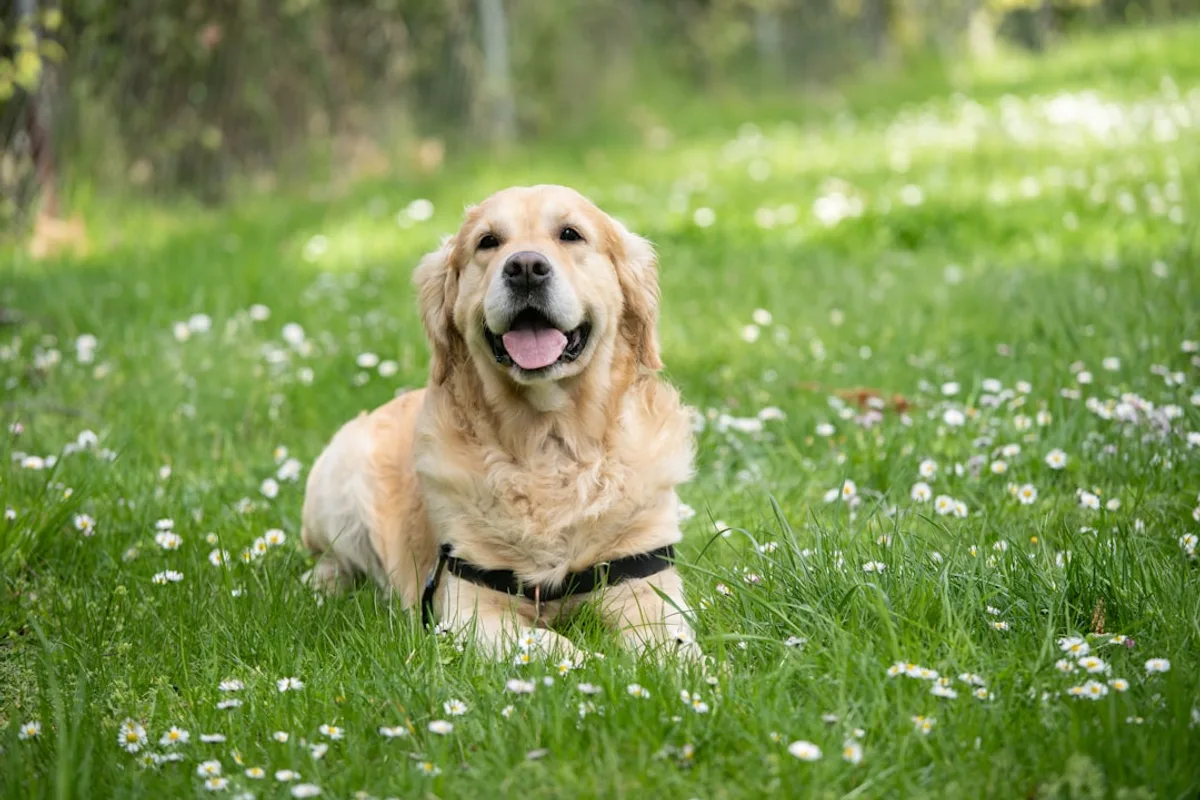
Personalized dog breed recommendations can transform the way prospective owners find their perfect canine companion. By utilizing a dog breed matching quiz, these assessments analyze individual preferences and lifestyle factors to suggest suitable breeds. For instance, a quiz by AKC can help identify breeds like the Labrador Retriever or Beagle based on friendliness and family compatibility. Technology plays a crucial role in providing tailored dog breed suggestions, ensuring a better fit between the owner and the dog, thereby enhancing the adoption experience.
How Dog Breed Matching Quizzes Work
Dog breed matching quizzes employ a series of targeted questions to align potential owners with the most suitable breeds. These quizzes assess factors like lifestyle, preferences, and experience with dogs. By understanding the mechanics of breed matching quizzes, users can provide more accurate information, resulting in better recommendations for their ideal canine companion.
Tailoring Recommendations to Individual Needs
Tailored dog breed recommendations consider personal circumstances, ensuring a perfect match for every potential owner. A customized dog breed quiz can adapt its suggestions based on allergies or lifestyle constraints. For instance, a busy professional might be matched with a low-maintenance breed, while a stay-at-home parent could prefer a more active companion. This individualized dog breed selection accommodates diverse lifestyles, providing relevant and practical options.
Case Studies: Successful Matches
Real-life success stories of dog breed matches highlight the effectiveness of quizzes in finding the right companion. For instance, a young couple using a quiz discovered the Labrador Retriever was perfect for their active lifestyle. Testimonials from owners often praise the long-term satisfaction and benefits of following these recommendations, showcasing diverse lifestyles and breeds.
Matching Dog Breeds with Family and Living Situations
Matching the right dog breed with your family can lead to a harmonious household and a happy pet. Understanding family dynamics is crucial for selecting a dog breed that will thrive in a household with children or other pets. For example, the Labrador Retriever is a popular family-friendly breed known for its friendly nature, while the Golden Retriever is ideal for first-time owners due to its trainability and temperament. The Cavalier King Charles Spaniel is a small breed that is affectionate and good with children, and the Beagle is a friendly and curious breed, suitable for families and multi-pet households. These family-friendly dog breeds are excellent choices when matching dogs with kids and other pets.
Dogs for Families with Children
When it comes to families with children, some dog breeds stand out as the best companions. Labrador Retrievers and Beagles are popular family-friendly breeds known for their friendly nature and curiosity. These dogs are good with children due to their gentle temperament and moderate energy levels. To introduce a new dog safely, supervise initial interactions and teach children respectful handling.
Best Breeds for Apartment Living
Not all dogs are suited for apartment living; some breeds thrive in smaller spaces with the right care. Choosing the right breed for apartment living can significantly enhance both the dog’s and the owner’s quality of life in confined spaces. Here are some apartment-friendly dog breeds:
- French Bulldogs: Compact and low-energy, ideal for small spaces.
- Cavalier King Charles Spaniels: Affectionate and good with children, they adapt well to apartment life.
Consider a breed’s size and exercise needs. Keep dogs stimulated with toys and regular walks to maintain their well-being in smaller living spaces.
Companions for Multi-Pet Households
In multi-pet households, choosing the right dog breed can lead to a peaceful and happy environment for all animals. Breeds like Golden Retrievers and Beagles are known for their friendly nature and ability to coexist with other pets. Their temperaments naturally thrive in multi-pet environments, fostering harmony in the home. Proper socialization and gradual introductions are key to integrating a new dog successfully.
Training, Grooming, and Debunking Breed Myths

Training and grooming are vital aspects of dog ownership, and each breed has its own unique requirements. Understanding the unique training and grooming needs of different breeds can help owners prepare for successful dog ownership. Here are some key points to consider:
- Training Approaches: Tailor your training methods to your dog’s breed. For instance, a Golden Retriever may excel with positive reinforcement due to its trainability, while a Beagle might require more patience due to its curious nature.
- Grooming Needs: Different breeds have varying coat types and maintenance needs. For example, a Cavalier King Charles Spaniel requires regular brushing to prevent matting, while a Labrador Retriever benefits from occasional baths to maintain its coat’s health.
- Debunking Myths: Common misconceptions, such as certain breeds being inherently aggressive or unintelligent, are often unfounded. Each dog is unique, and behavior largely depends on training and environment.
Basic Training Tips for Different Breeds
Training a dog is essential, but the approach can vary significantly depending on the breed. Tailoring training approaches to specific breeds can enhance effectiveness and improve the dog-owner relationship. Here are some basic training tips for different dog breeds:
- High-energy breeds, like Beagles, require ample exercise to channel their energy productively.
- Early socialization is crucial for breeds prone to anxiety or aggression, such as the Cavalier King Charles Spaniel.
- Utilize breed-specific training resources, like obedience training for dogs, to refine dog breed training techniques.
Grooming Needs and Maintenance
Grooming is not just about aesthetics; it plays a crucial role in a dog’s health and well-being. Understanding dog grooming needs based on coat type and breed can help owners maintain their dog’s health and appearance effectively.
- Short-haired breeds, like the Beagle, require minimal brushing but benefit from regular baths to maintain coat health.
- Long-haired breeds, such as the Cavalier King Charles Spaniel, need frequent brushing to prevent matting and tangles.
- Regularly check and clean ears, trim nails, and brush teeth to ensure overall hygiene and health.
Common Misconceptions About Dog Breeds
Misconceptions about dog breeds can lead to unfair judgments and poor choices; understanding the facts is essential. Addressing these misconceptions helps potential dog owners make informed decisions and reduce bias against certain breeds.
- The myth that Pit Bulls are inherently aggressive is unfounded; behavior varies by individual.
- Intelligence and trainability differ within breeds; for instance, a Golden Retriever is known for its trainability, but training success depends on the approach.
- Common dog breed stereotypes, like assuming small breeds are always yappy, often misrepresent their true nature.
Spotlight on Unique and Rare Dog Breeds
Rare dog breeds offer unique traits and challenges that can be appealing to dedicated dog enthusiasts. These breeds often come with distinct characteristics and challenges that appeal to dog lovers seeking something special. Below is a comparison of some unique and rare dog breeds, highlighting their history, traits, and care requirements.
| Breed | Characteristics | Challenges |
|---|---|---|
| Norwegian Lundehund | Known for its extra toes and flexibility, originally bred to hunt puffins. | Requires specific diet and care due to digestive issues. |
| Azawakh | Elegant and slender, known for its speed and endurance. | Needs ample exercise and mental stimulation. |
| Lagotto Romagnolo | Renowned truffle hunter with a curly coat. | Regular grooming and training are essential. |
Characteristics of Rare Breeds
Rare breeds often possess distinctive characteristics that set them apart from more common breeds. Understanding the specific traits of rare breeds can help potential owners assess whether they align with their lifestyle and preferences.
| Breed | Appearance | Temperament | Health Considerations |
|---|---|---|---|
| Xoloitzcuintli | Sleek, hairless | Loyal, calm | Skin care needed |
| Lagotto Romagnolo | Curly coat | Affectionate, energetic | Prone to hip dysplasia |
The unique traits of dog breeds like these influence their suitability for different owners, making breed selection crucial for a harmonious match.
Challenges and Rewards of Owning Rare Breeds
While rare dog breeds can be incredibly rewarding, they also come with unique challenges that potential owners should be aware of. From health issues to specialized diets, these breeds require dedicated care and understanding. However, the rewards of owning rare breeds include their uniqueness and the companionship they offer.
| Challenges | Rewards |
|---|---|
| Health issues | Unique companionship |
| Specialized diets | Distinctive appearance |
For prospective owners, researching rare breed characteristics and preparing for their specific needs can ease the transition into rare breed ownership.
Where to Find Rare Breeds
Finding rare dog breeds can be a rewarding journey, especially when you know where to look. Consider these reputable sources:
| Source | Description |
|---|---|
| Breed-Specific Rescues | Focus on specific breeds, offering adoption opportunities and expert advice. |
| Reputable Breeders | Ensure ethical breeding practices and provide breed history and health information. |
Researching breed history and health issues is crucial before acquiring a rare breed. Connecting with communities of rare breed enthusiasts can enhance your search and offer valuable resources for prospective owners.
FAQs About Dog Breed Selection and Ownership

Navigating dog ownership can be complex, and having answers to common questions can make the process smoother. Potential dog owners often ask about breed compatibility with their lifestyle, the best breeds for families, and how to choose the right dog. An FAQ section can empower them by addressing these pressing concerns.
What is the Best Dog Breed for First-Time Owners?
For first-time dog owners, selecting the right breed can set the stage for a successful and rewarding experience. Breeds like the Golden Retriever and Cavalier King Charles Spaniel are ideal due to their friendly temperament and ease of training. Consider your lifestyle and the breed’s characteristics to make an informed choice.
How Accurate are Dog Breed Matching Quizzes?
Understanding the accuracy of dog breed matching quizzes can help potential owners make informed decisions. The effectiveness of these quizzes largely depends on the quality of the questions and the honesty of the participant’s responses. Thoughtful answers can lead to successful matches, such as pairing families with a Labrador Retriever or a Golden Retriever, enhancing the reliability of breed quizzes.
Can Mixed Breeds Be a Good Match?
Mixed breeds can offer unique advantages, often boasting the best traits from their parent breeds. They benefit from hybrid vigor, leading to fewer health issues. Popular examples include Labradoodles, known for their friendly nature, and Puggles, which are playful and affectionate. Contrary to misconceptions, mixed breeds are excellent pets with diverse characteristics, making them unique companions.
How Do I Prepare My Home for a New Dog?
Proper preparation is key to ensuring a smooth transition for your new dog into your home. Start by creating a safe space where the dog can acclimate. Use this dog owner checklist: gather supplies like food, bowls, and bedding, and schedule initial veterinary care and vaccinations. Preparing your home for a new dog involves more than just buying supplies; it requires creating a welcoming and safe environment for the pet.
What Should I Consider When Adopting a Dog?
Adopting a dog is a significant commitment, and understanding the key considerations can lead to a more successful match. Evaluate breed characteristics and lifestyle compatibility, such as the Labrador Retriever’s family-friendly nature or the Golden Retriever’s trainability. Understanding the responsibilities involved is crucial. Consider using a dog breed quiz to guide your decision.
Key Takeaways About Finding Your Perfect Dog Breed
Finding your perfect dog breed involves understanding your lifestyle, preferences, and the unique characteristics of various breeds. Personalized matching is crucial for successful dog ownership, as it ensures compatibility between you and your pet. Utilizing resources like the AKC’s dog breed quiz can help identify breeds that fit your lifestyle, such as the family-friendly Labrador Retriever or the trainable Golden Retriever. A clear understanding of the matching process empowers prospective owners to make informed choices and find their ideal canine companion.