Why Comparing Dog Breeds is Crucial for Pet Owners
Are you ready to welcome a furry friend into your home? Understanding dog breeds is crucial before making that commitment. Comparing dog breeds helps ensure a match between a pet’s characteristics and a family’s lifestyle, reducing the likelihood of future regrets and returns to shelters.
Breed characteristics play a significant role in pet ownership decisions. Each breed has unique traits, such as energy levels, grooming needs, and temperament, which can greatly impact daily life. For instance, a high-energy breed like a Border Collie may not suit a sedentary household, while a low-maintenance breed like a Bulldog might be perfect for busy families.
Statistics reveal that many dog owners regret their breed choice, with 30% returning dogs due to behavioral issues that could have been anticipated through breed comparison. This highlights the importance of dog breed suitability in ensuring a harmonious relationship between pet and owner.
Experts emphasize the need for careful consideration. Dr. Sarah Johnson, a veterinarian, advises, “Understanding a breed’s needs and tendencies can prevent common issues and enhance the pet-owner bond.” Similarly, dog trainer Mark Thompson notes, “Choosing the right breed is crucial for both the dog’s well-being and the owner’s satisfaction.”
Next, we will explore the classifications and sizes of different dog breeds.
Decoding Dog Breed Classifications and Sizes
Have you ever wondered why some dogs are classified as working breeds while others are considered toys? Understanding dog breed classifications and the sizes of dog breeds can help you make informed decisions when choosing a pet. The American Kennel Club recognizes over 190 breeds, categorizing them into 7 distinct groups based on their roles and characteristics.
Among these, the working group includes breeds like the Siberian Husky, known for their strength and endurance. The herding group, featuring breeds such as the Border Collie, is celebrated for their intelligence and agility. Meanwhile, the toy group consists of small, companionable breeds like the Pomeranian, prized for their playful nature.
| Breed Group | Example Breeds | Size Category |
|---|---|---|
| Working | Siberian Husky, Boxer | Medium to Large |
| Herding | Border Collie, Australian Shepherd | Medium |
Understanding the purpose behind each breed group can help you choose the right companion for your lifestyle. Dog breed purposes are historically rooted in their original functions. Herding breeds, like the Border Collie, were bred for managing livestock, showcasing intelligence and agility. Sporting dogs excel in hunting, with breeds like the Labrador Retriever known for their retrieving skills. Toy breeds, such as the Chihuahua, were developed for companionship, offering affectionate and lively personalities.
Next, we will categorize dog breeds by size, which is another crucial factor in breed comparison.
Size Categories: Small, Medium, and Large Breeds
Did you know that the size of a dog can significantly impact its care requirements and living conditions? Dog size categories are typically divided into small, medium, and large breeds. Small dog breeds, like Chihuahuas, weigh under 20 pounds and stand less than 12 inches tall. Medium breeds, such as Beagles, weigh between 20-50 pounds and measure 12-24 inches in height. Large breeds, like German Shepherds, exceed 50 pounds and often reach over 24 inches tall.
Small dog breeds often live longer, with lifespans averaging 12-20 years, compared to 8-15 years for large breeds. This dog breed size comparison helps prospective owners understand the implications of size on care and living conditions.
Now, let’s examine how a dog’s size can influence its needs and lifestyle.
How Size Influences a Dog’s Needs and Lifestyle
Choosing a dog isn’t just about looks; size plays a crucial role in how you will care for your new pet. Large breeds often require more outdoor space and exercise, while small dogs may need less. Research shows that larger breeds are more prone to health issues like obesity and joint problems, necessitating tailored care.
Next, we will explore the characteristics of popular dog breeds to understand their unique traits.
Characteristics of Popular Dog Breeds Explained

With so many dog breeds to choose from, understanding their unique characteristics is key to finding the right match. Popular dog breeds like the Labrador Retriever, German Shepherd, and French Bulldog each offer distinct traits that appeal to different lifestyles and preferences. The Labrador Retriever, for instance, has consistently ranked as the most popular in the U.S. for over 30 years due to its friendly nature and adaptability.
Other breeds, such as the German Shepherd, are known for their intelligence and loyalty, making them excellent working dogs. Meanwhile, the French Bulldog’s playful and sociable demeanor makes it a favorite among city dwellers. To aid in your dog breed comparison, consider the following table highlighting key dog breed traits:
| Breed | Temperament | Popularity Rank | Common Traits |
|---|---|---|---|
| Labrador Retriever | Friendly | 1 | Adaptable, Gentle |
| German Shepherd | Loyal | 2 | Intelligent, Protective |
Temperament and Behavior Traits
Understanding a dog’s temperament is just as important as knowing its breed; it can shape your entire experience as a pet owner. Popular breeds like Labrador Retrievers are known for their friendliness and high trainability, while breeds such as Chihuahuas may exhibit more territorial behavior. American Kennel Club notes that temperament can vary widely even within the same breed. For example, Golden Retrievers can display a range of energy levels based on their upbringing and socialization. Next, we will examine the exercise and grooming requirements that come with different breeds.
Exercise and Grooming Requirements
Are you ready to commit to a dog? Understanding their exercise and grooming needs is essential for a happy, healthy pet. Different dog breeds have varying dog exercise needs. For instance, Border Collies thrive on high-intensity activities, while Bulldogs enjoy leisurely walks.
When it comes to grooming requirements for dog breeds, some, like the Poodle, require regular grooming not just for aesthetics but to prevent matting and skin issues. Breeds with short coats, such as Beagles, need less frequent grooming.
- Assess your daily schedule for exercise time.
- Consider grooming frequency and costs.
- Evaluate your ability to meet these dog breed care checklist items.
Next, we will discuss health considerations and lifespan associated with various dog breeds.
Health Considerations and Lifespan
When choosing a dog, understanding health issues and lifespan can be the difference between a joyful experience and a heartbreaking one. For instance, German Shepherds often face hip dysplasia, while Bulldogs have a significantly shorter lifespan, averaging just 8-10 years due to genetic predispositions.
Hereditary health problems in dogs vary widely, impacting the average lifespan of dog breeds. Knowing these issues helps in making informed decisions. Now, let’s explore the steps you should take to choose the right dog breed for your lifestyle.
Steps to Choosing the Right Dog Breed for Your Lifestyle
Ready to find your perfect canine companion? Start by assessing your lifestyle and needs to ensure a good match. Many prospective dog owners overlook their own lifestyle compatibility, leading to mismatches; a detailed self-assessment can prevent this.
- Evaluate Your Living Space: Consider the size of your home and yard. Do you have enough space for a large breed, or would a smaller dog be more suitable?
- Assess Time Commitment: How much time can you dedicate to walking, training, and playing with your dog? High-energy breeds need more attention and exercise.
- Consider Family Dynamics: Think about the ages and personalities of family members. Are there young children or elderly individuals who might interact with the dog?
- Use a Pet Compatibility Checklist: Evaluate your readiness for dog ownership by considering factors like budget, travel frequency, and potential allergies.
Next, we will discuss how to match energy levels and activity needs with potential dog breeds.
Assessing Your Living Situation and Space
Your living situation can dramatically influence your dog’s happiness; let’s explore how to assess it effectively. Understanding the space requirements for dog breeds is crucial for a harmonious environment.
- Evaluate your home’s size: Some breeds, like the French Bulldog, are particularly well-suited for apartment living due to their lower exercise needs and compact size.
- Consider your environment: Houses with yards may suit larger, more active breeds better.
- Adapt your space: Ensure your living area can accommodate your chosen breed’s needs, such as creating a cozy corner for rest.
Now, let’s look at how to match energy levels and activity needs with potential dog breeds.
Matching Energy Levels and Activity Needs
Are you an active person looking for a dog? Matching energy levels can make all the difference in your pet’s happiness. Here’s how to align your lifestyle with your future dog’s activity needs:
- Identify your activity level using a dog activity needs assessment.
- Consider high-energy dog breeds like Border Collies, which thrive with daily walks and mental stimulation such as agility training.
- For a more relaxed lifestyle, low-energy breeds like Bulldogs may suit you better.
Next, we will address considerations regarding allergies and family dynamics when choosing a breed.
Considering Allergies and Family Dynamics
Choosing a dog isn’t just about preference; allergies and family dynamics play a crucial role in ensuring a successful match. Here’s what to consider:
- Allergies: Opt for hypoallergenic dog breeds like the Poodle, known for low-shedding coats, though individual reactions can vary widely.
- Family Dynamics: Consider how children or other pets might interact with the new dog, ensuring a harmonious household.
- Introduction Tips: Gradually introduce the dog to family members and other pets to foster a smooth transition.
Now, let’s explore interactive tools that can help you compare dog breeds side by side.
Interactive Tools for Side-by-Side Dog Breed Comparisons
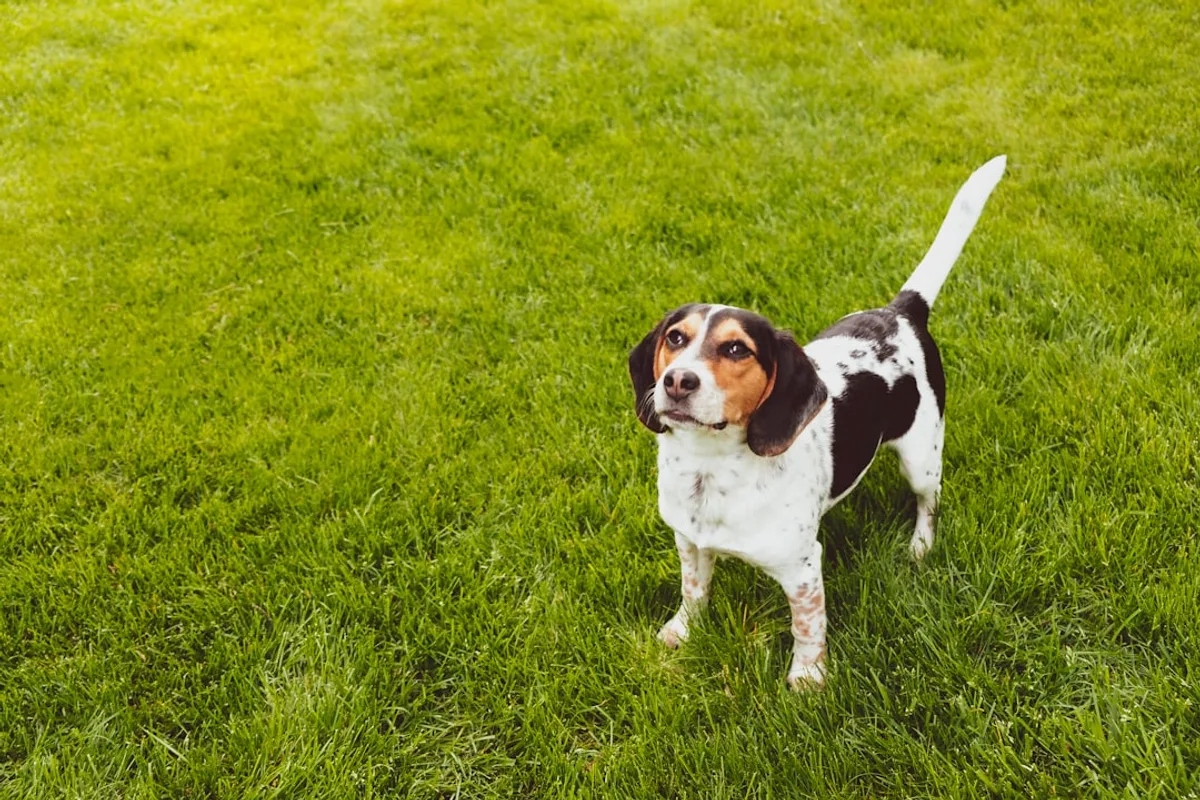
Looking for the perfect dog breed? Interactive tools can simplify your search and help you make an informed decision. Various online platforms, such as 1001 Doggy, offer dog breed comparison tools that are invaluable for prospective owners. These resources provide side-by-side comparisons, allowing users to visually grasp the differences between breeds.
| Platform | Features | Benefits |
|---|---|---|
| 1001 Doggy | Filter by size, temperament, exercise needs | Find the right breed match easily |
| Breed Finder Pro | Visual aids, detailed breed profiles | Enhanced understanding of breed characteristics |
Interactive dog breed resources often include visual aids, which are crucial in understanding breed differences. Many tools allow users to filter by specific traits, such as size, temperament, and exercise needs, making it easier to find the right match. Next, we’ll discuss the essential features to look for in comparison tools.
Online Platforms for Breed Comparisons
With so many resources available, which online platforms truly stand out for dog breed comparisons? Below is a curated list of the best dog breed comparison websites, each offering unique features to enhance your research process.
| Platform | Features | User Feedback |
|---|---|---|
| Petfinder | User-friendly interface, advanced filtering options for traits like grooming needs | “Incredibly helpful for narrowing down breeds based on lifestyle needs.” – User Review |
| AKC | Comprehensive breed information, expert reviews, health risk comparisons | “A wealth of information for both new and experienced dog owners.” – Expert Review |
Now, let’s explore the essential features you should look for in these comparison tools.
Features to Look for in Comparison Tools
When comparing dog breeds, not all tools are created equal; knowing what to look for can enhance your research experience. The best tools for comparing dog breeds offer comprehensive features that cater to diverse needs.
| Feature | Importance |
|---|---|
| Detailed Breed Profiles | Provides in-depth information on characteristics of popular dog breeds. |
| User Reviews | Offers valuable insights beyond standard breed information through user-generated content. |
| Visual Aids (Images & Videos) | Helps in understanding breed differences effectively. |
| Mobile Compatibility | Enhances user experience by allowing easy access on-the-go. |
Next, we’ll examine the cultural impact and climate suitability of different dog breeds.
Cultural Impact and Climate Suitability of Dog Breeds
Have you ever wondered why some dog breeds are more popular in certain cultures than others? The cultural significance of dog breeds plays a pivotal role in their popularity and perception across the globe. For instance, the Shiba Inu is highly favored in Japan, not only for its charming appearance but also for its historical roots as a hunting companion. Similarly, the Basenji, known as the “barkless dog,” holds deep cultural roots in Central Africa, where it has traditionally been used for hunting.
Regional dog breed preferences are often shaped by historical roles and cultural values. In the United States, breeds like the Labrador Retriever consistently top popularity charts due to their versatility and friendly nature. According to recent statistics, Labradors have been the most popular breed in the U.S. for over 30 years, while in France, the French Bulldog reigns supreme, reflecting a preference for smaller, urban-friendly dogs.
Now, let’s look at how different breeds adapt to various climates and environments.
How Culture Influences Breed Popularity
Culture plays a powerful role in shaping our preferences for dog breeds—let’s explore how this influence manifests. Cultural attitudes towards dogs significantly impact breed popularity. For instance, the Chihuahua holds cultural significance in Mexico, while designer breeds have gained traction globally due to changing lifestyles and aesthetic preferences.
Media and celebrity endorsements further amplify these trends. The rise of social media has dramatically increased the visibility of certain breeds, leading to spikes in popularity for breeds like the French Bulldog and Pug. These platforms showcase dogs as lifestyle symbols, influencing public perception and ownership trends.
Next, we will discuss how different breeds can adapt to various climates and environments.
Adapting Breeds to Different Climates
Choosing a dog breed isn’t just about personality; climate compatibility is crucial for your pet’s well-being. Certain dog breeds are naturally suited to specific climates. For instance, Siberian Huskies thrive in cold regions, while brachycephalic breeds struggle with heat due to their respiratory structure.
Breeds like the Alaskan Malamute aren’t just built for cold weather; they require specific environmental conditions to maintain their health and happiness. When selecting a breed, consider your local climate to ensure your dog remains healthy and content.
Now, let’s address some frequently asked questions regarding dog breed comparisons.
FAQs on Dog Breed Comparison

Curious about dog breed comparisons? Here are some frequently asked questions that can help clarify your doubts.
- What factors should I consider when comparing dog breeds? Size, temperament, and exercise needs are crucial. Refer to our previous sections for detailed insights.
- Are there misconceptions about dog breeds? Yes, many believe purebreds are superior, but mixed breeds can inherit the best traits of both parents, offering unique and sometimes healthier options.
- Where can I learn more about dog breeds? Visit AKC’s breed directory for comprehensive information.
Next, we’ll discuss the key takeaways regarding dog breed comparisons.
What factors should I consider when comparing dog breeds?
When it comes to choosing a dog, understanding the key factors can make all the difference in your experience as a pet owner. Key factors in dog breed comparison include temperament, size, and care needs. These dog breed selection criteria are crucial as they directly impact your lifestyle and the dog’s well-being. A personalized dog matching approach can significantly reduce the likelihood of behavioral issues and improve the overall pet-owner relationship.
Consider using interactive tools that allow you to input your lifestyle preferences and receive tailored breed recommendations. This personalized approach helps ensure a harmonious match between you and your future canine companion.
Now, let’s wrap up with some key takeaways about dog breed comparison.
Can mixed breeds be compared like purebreds?
As we conclude our exploration of dog breed comparisons, let’s reflect on the key takeaways that can guide your decision. Understanding the characteristics of both mixed and purebred dogs is essential. While purebreds offer predictability in traits, mixed breeds can provide unique combinations that may suit your lifestyle.
Investing time in understanding dog breeds can lead to a more fulfilling and harmonious relationship with your future pet. It’s crucial to compare different breeds based on size, temperament, and care needs. Utilize resources like the 1001 Doggy website to delve deeper into breed characteristics and make an informed choice.
Take your time in this decision-making process. By considering the key takeaways for dog owners, you ensure a happy and healthy match with your new companion.
How important is breed size in choosing a dog?
Breed size plays a crucial role in selecting the right dog for your lifestyle. Different size categories, such as small, medium, and large, come with distinct needs and characteristics. Small breeds like Chihuahuas are ideal for apartment living due to their compact size and lower exercise requirements. Medium breeds, such as Beagles, often balance energy and space needs, making them versatile companions. Large breeds like Golden Retrievers require more room and exercise, suiting families with spacious homes and active routines.
When comparing dog breeds, consider factors such as living space, activity level, and family dynamics. Understanding the specific characteristics of popular dog breeds within each size category helps in making an informed decision. Matching a breed’s size with your environment and lifestyle ensures a harmonious relationship with your new furry friend.
Are there breeds better suited for first-time owners?
When choosing a dog breed for first-time owners, it’s essential to consider temperament, size, and care requirements. Breeds like the Labrador Retriever, Golden Retriever, and Cavalier King Charles Spaniel are often recommended due to their friendly nature and adaptability. These breeds are generally easy to train and are known for their sociable demeanor.
Smaller breeds such as the Pug and Bichon Frise also make great companions for beginners, as they require less space and are typically low-maintenance. When comparing breeds, consider factors such as exercise needs, grooming requirements, and potential health issues. Understanding these characteristics can help ensure a harmonious match between the owner and their new furry friend.
- Labrador Retriever – Friendly, trainable, medium to large size
- Golden Retriever – Sociable, intelligent, medium to large size
- Cavalier King Charles Spaniel – Affectionate, adaptable, small size
- Pug – Playful, compact, small size
- Bichon Frise – Cheerful, low-shedding, small size
What are common misconceptions about dog breeds?
One prevalent misconception is that all large dog breeds are aggressive. In reality, many large breeds, like the Bernese Mountain Dog or Newfoundland, are known for their gentle and friendly nature. Another myth is that small breeds are easier to manage. While they may require less space, breeds such as Jack Russell Terriers can be highly energetic and demand significant attention.
People often assume that purebred dogs are healthier than mixed breeds. However, mixed breeds can have a lower risk of certain genetic conditions due to their diverse gene pool. Lastly, there’s a belief that certain breeds are inherently good with children. While some breeds are more patient, individual temperament and training play crucial roles in a dog’s behavior around kids.
Key Takeaways About Dog Breed Comparison
As we conclude our exploration of dog breed comparisons, let’s reflect on the key takeaways that can guide your decision. Understanding the characteristics of popular dog breeds, such as temperament, size, and activity level, is crucial in selecting the right companion. Comparing different dog breeds allows potential owners to align their lifestyle with the needs of their future pet.
One major point from our discussion is the importance of considering size categories. Whether you’re looking for a small apartment-friendly pup or a large, active breed, size plays a significant role in compatibility. Additionally, recognizing the unique traits of each breed helps in anticipating their behavior and care requirements.
Investing time in understanding dog breeds can lead to a more fulfilling and harmonious relationship with your future pet. Therefore, it is essential to take your time in making a decision. Utilize available resources, such as breed-specific guides and expert consultations, to make an informed choice.
For those eager to delve deeper into the world of canine companions, we encourage you to explore the 1001 Doggy website for more comprehensive information. This platform offers extensive resources to aid in your journey of finding the perfect dog breed. Remember, a well-informed decision today can lead to a lifetime of happiness with your new furry friend.