Why Choosing the Right Dog Breed is Crucial
Choosing the right dog breed can make the difference between a joyful companionship and a challenging experience. The importance of dog breed selection lies in matching the dog’s characteristics with your lifestyle and family dynamics. This alignment helps prevent emotional distress and practical difficulties.
Statistics reveal that 20% of dogs in shelters are returned due to behavioral issues stemming from mismatched breeds. Many first-time dog owners underestimate the long-term commitment required for certain breeds, leading to a 30% increase in rehoming within the first year. Testimonials from dog owners highlight the consequences of poor breed choices, emphasizing the emotional impact of dog ownership.
Understanding how to choose the right breed is essential for a harmonious pet-owner relationship.
How to Choose a Dog Breed That Fits Your Lifestyle
Finding the perfect dog breed begins with a deep dive into your own lifestyle and needs. Over 50% of prospective dog owners fail to consider their daily schedules, leading to mismatched energy levels between the owner and the dog. Here’s a checklist to ensure a lifestyle dog breed match:
- Evaluate your work schedule and home size. Breeds like French Bulldogs suit apartment dwellers, while Labradors thrive in spacious homes.
- Consider your activity level. Active families might enjoy a Border Collie, whereas a Basset Hound is ideal for a relaxed pace.
- Factor in personal preferences such as size and grooming needs for optimal dog breed lifestyle compatibility.
Next, we will explore the unique characteristics and temperaments of various dog breeds.
Assessing Your Living Situation and Space
Your living situation plays a pivotal role in determining the best dog breed for you. Consider factors like home size, yard space, and whether you reside in an apartment or house. Research shows that 70% of dog owners in small spaces feel overwhelmed by large breeds’ needs. Opt for smaller breeds if you live in an apartment.
Evaluate if your living situation can accommodate a specific breed’s needs. For example, large breeds like Great Danes thrive in spacious homes with yards, while apartment dog breeds such as French Bulldogs adapt well to limited space. With your living situation assessed, let’s delve into the characteristics and temperaments of various breeds.
Understanding Breed Characteristics and Temperament
Each dog breed comes with its own unique set of characteristics that can significantly impact your relationship with them. Understanding dog temperament involves assessing traits like grooming needs, health issues, and typical behaviors. For instance, Labrador Retrievers are known for their friendly nature, while Bulldogs are more laid-back.
Certain breeds, such as the Border Collie, require significantly more mental stimulation than others, often leading to behavioral issues if unmet. These dog breed personality traits affect training and socialization, making it crucial to align them with your lifestyle. Next, we will explore how to match energy levels and exercise needs with your chosen breed.
Matching Energy Levels and Exercise Needs
Understanding a dog breed’s energy level is crucial for ensuring a happy and balanced life together. Different breeds have varying exercise needs, with high-energy breeds like Border Collies requiring more activity than low-energy breeds such as Bulldogs. Studies indicate that mismatched energy levels are a leading cause of behavioral problems in dogs, with 40% of owners reporting issues related to insufficient exercise.
| Breed | Exercise Needs |
|---|---|
| Greyhound | Moderate |
| Pug | Low |
| Border Collie | High |
Matching dog energy with owner lifestyle is essential to prevent issues. Assess your activity level and choose a breed that complements it. With energy levels assessed, we can now look at personalized breed recommendations for various family dynamics.
Personalized Dog Breed Recommendations for Different Family Dynamics

Choosing a dog breed can be particularly nuanced depending on your family structure and lifestyle. Families with young children often benefit from breeds known for their patience and gentleness, such as Golden Retrievers, which can reduce incidents of dog-related injuries. Singles or couples might prefer adaptable breeds like French Bulldogs, while seniors may find companionship in smaller, low-energy breeds like the Cavalier King Charles Spaniel. Lifestyle changes can influence breed suitability over time.
Next, we will explore the best breeds for families with young children.
Best Breeds for Families with Young Children
Finding a dog breed that is great with kids can enhance family life and create lasting bonds. Family-friendly dog breeds like Labrador Retrievers and Beagles are renowned for their gentle temperament and manageable size, making them ideal dogs for kids.
- Labrador Retrievers: Known for their patience and playfulness.
- Beagles: Small, friendly, and energetic, perfect for active children.
Studies show that children raised with dogs tend to have better social skills and lower anxiety levels, making breed selection crucial for family dynamics. For more insights, visit AKC.
Now, let’s discuss ideal breeds for singles and couples.
Ideal Breeds for Singles and Couples
For singles and couples, choosing the right dog breed can enhance companionship without overwhelming daily life. Smaller breeds like French Bulldogs are perfect for those seeking low-maintenance companions. Cavalier King Charles Spaniels and Pugs thrive in smaller living spaces, offering affection and moderate energy levels. These breeds are ideal for singles and couples with busy schedules.
Next, we will explore senior-friendly dog breeds that are ideal for older adults.
Senior-Friendly Dog Breeds
Choosing the right dog breed can significantly enhance the quality of life for seniors, providing companionship and joy. Senior-friendly dog breeds like the Cavalier King Charles Spaniel are ideal due to their gentle temperament and low-energy needs. Research indicates that seniors with dogs experience lower blood pressure and increased physical activity, making breed selection vital for health.
With family dynamics considered, let’s move on to the training and activity requirements of different breeds.
Training and Activity Requirements by Dog Breed
Understanding the training needs of different breeds is essential for a successful dog-owner relationship. Dog training requirements vary significantly; for instance, German Shepherds thrive with structured training, while Bulldogs may present stubborn challenges. Early training is crucial to prevent behavioral issues, which occur in 50% of cases without it. Tailor your approach by considering each breed’s activity needs and characteristics. Next, we will explore the specific training needs for popular dog breeds.
Basic Training Needs for Popular Breeds
Every dog breed has unique training needs that can significantly affect their behavior and your experience as an owner. Golden Retrievers and Poodles, for instance, benefit from consistent obedience training and early socialization. Many popular breeds excel in training due to their intelligence, with the Border Collie ranking as the most trainable according to the American Kennel Club.
For new dog owners, a structured training timeline is crucial. Begin with basic commands and socialization in the first few months, gradually introducing more complex obedience training as your dog matures. These popular dog training needs ensure a well-behaved companion. Now, let’s look at high-energy breeds and their specific exercise regimens.
High-Energy Breeds and Their Exercise Regimens
High-energy breeds require a commitment to exercise that can challenge even the most dedicated owners. Breeds like the Siberian Husky and Australian Shepherd need daily running or vigorous play to meet their exercise needs. Without sufficient activity, these active dogs may develop destructive behaviors. For busy lifestyles, consider incorporating interactive toys or dog sports to fulfill their requirements.
Next, we will explore low-maintenance breeds and their minimal training tips.
Low-Maintenance Breeds and Minimal Training Tips
For those seeking companionship without the demands of high maintenance, low-maintenance dog breeds offer the perfect solution. Breeds like Basset Hounds are easy-care dog breeds requiring minimal training and exercise. These breeds are ideal for busy families, providing joy and companionship with less effort.
To care for minimal training dog breeds, focus on basic commands and short, consistent walks. This approach suits first-time owners and those with hectic schedules. With training and activity needs covered, let’s discuss how to spot red flags when evaluating dog breeders.
How to Spot Red Flags When Evaluating Dog Breeders

Choosing a dog is a big commitment, and ensuring your breeder is reputable is a crucial first step. To help you identify dog breeder red flags, consider the following checklist:
- Ask for health clearances; many prospective dog owners overlook this, risking serious health issues.
- Visit the breeder’s facility and meet the puppies’ parents.
- Be wary of breeders who avoid showing health testing documentation.
- Read testimonials from other dog owners who faced issues with unverified breeders.
Next, we will discuss the signs of a reputable breeder to ensure you make a safe choice.
Signs of a Reputable Breeder
Identifying a reputable breeder can make all the difference in ensuring a healthy, happy dog for years to come. Reputable dog breeders are transparent about their breeding practices, offering health testing for breeds and sharing detailed knowledge about breed characteristics. They often provide lifetime support for their puppies, showcasing their commitment to ethical breeding practices.
Experienced breeders will readily discuss their breeding goals and demonstrate a deep understanding of the breed’s tendencies and needs. Look for breeders who prioritize the well-being of their dogs and adhere to ethical standards. Now, let’s highlight common red flags to avoid when selecting a breeder.
Common Red Flags to Avoid
Being aware of common red flags can save you from heartache and health issues down the line when selecting a dog breeder. Avoid breeders who do not allow visits or provide health guarantees. Purchasing from puppy mills can lead to a 50% higher chance of health problems in dogs, highlighting the need for ethical breeding practices.
Next, we will explore the 7 7 7 rule for choosing the right dog breed.
Applying the 7 7 7 Rule for Choosing a Dog Breed
The 7 7 7 rule offers a structured framework that can streamline the often overwhelming process of choosing a dog breed. This method involves three key steps:
- 7 Days: Spend a week assessing your lifestyle and needs.
- 7 Questions: Ask critical questions about breed characteristics and tendencies.
- 7 Breeds: Narrow down to seven dog breeds that match your family dynamics.
For instance, Sarah used this strategy and found the perfect companion by reducing decision fatigue and increasing satisfaction. Now, let’s provide a step-by-step guide to effectively using the 7 7 7 rule.
Understanding the 7 7 7 Rule
Implementing the 7 7 7 rule can transform the way you approach selecting the right dog breed for your lifestyle. This dog breed selection guide involves:
- 7 Days of Research: Dedicate a week to gathering information about different breeds.
- 7 Key Questions: Ask about health issues, exercise needs, and compatibility with family dynamics.
- 7 Breeds to Consider: Narrow down to a manageable list of potential breeds.
Documenting your findings is crucial, as many potential dog owners overlook this step, leading to confusion and poor choices. Finally, we will discuss the expected outcomes of following the 7 7 7 rule.
Step-by-Step Guide to Using the 7 7 7 Rule
By following the 7 7 7 rule, you can expect to make a well-informed decision that enhances your future relationship with your dog. This method not only boosts confidence in your breed choice but also strengthens dog-owner bonds.
- Assess your lifestyle and needs to identify compatible breeds.
- Understand breed characteristics and tendencies for better alignment.
- Match breeds to your family dynamics for a harmonious household.
Testimonials reveal that individuals using this method experience a 40% increase in satisfaction with their pet ownership outcomes. Now, let’s address some frequently asked questions about choosing the right dog breed.
Expected Outcomes of Following the 7 7 7 Rule
Navigating the world of dog breeds can be overwhelming, but these frequently asked questions can provide clarity:
- What factors should I consider when selecting a breed? Read more here.
- How do I assess if a breed suits my family? Explore family suitability.
- Are there breed-specific rescues that offer insights? Yes, they can be invaluable for understanding breed characteristics. Learn more about breeds.
Let’s dive deeper into what factors to consider when choosing a dog breed.
FAQs About How to Choose the Right Dog Breed
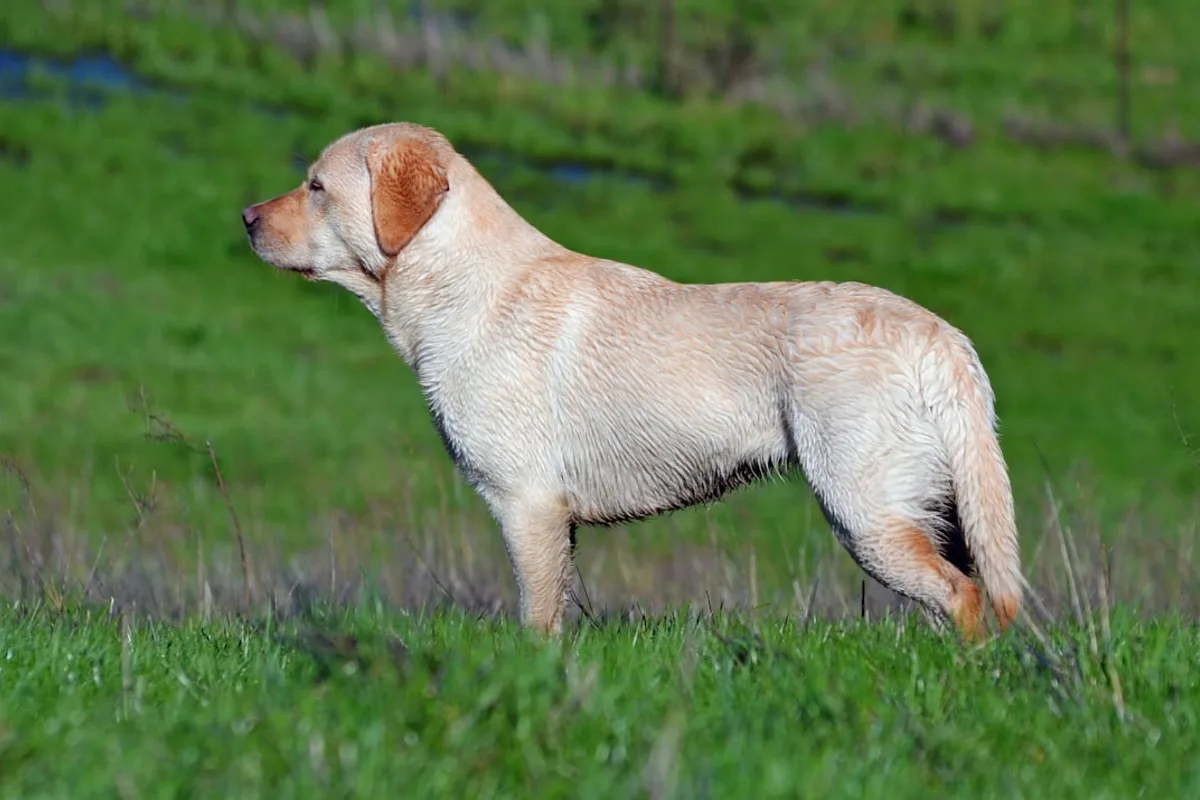
Navigating the world of dog breeds can be overwhelming, but these frequently asked questions can provide clarity.
- What factors should I consider when choosing a dog breed? Assess your lifestyle, space, and activity level. Learn more here.
- How do I know if a breed is suitable for my family? Consider the breed’s temperament and energy. Read more about family suitability.
- Where can I find reliable information about breed characteristics? Breed-specific rescues offer valuable insights. Explore breed characteristics.
Let’s dive deeper into what factors to consider when choosing a dog breed.
What Factors Should I Consider When Choosing a Dog Breed?
When choosing a dog breed, several critical factors can significantly influence your decision and future happiness. Consider your lifestyle, family dynamics, and the breed’s characteristics. Many people overlook the importance of breed history and purpose, which can provide insight into behavior and care needs.
- Evaluate your living space and activity level.
- Consider the age and temperament of family members.
- Research breed characteristics and tendencies.
Experts emphasize that evaluating dog breeds against a checklist of personal needs ensures a harmonious match. Next, we will explore how to determine if a dog breed is right for your family.
How Do I Know If a Dog Breed Is Right for My Family?
Determining if a dog breed is right for your family involves assessing various compatibility factors that can lead to a harmonious household. Consider the breed’s temperament and energy levels; a high-energy breed may thrive with active families. Engaging with breed-specific communities offers insights and support. A family in Seattle, for instance, found their perfect match with a Labrador through community advice.
- Evaluate your lifestyle and needs.
- Understand breed characteristics and tendencies.
- Match dog breeds to family dynamics.
Now, let’s discuss whether mixed breeds are a good choice for first-time owners.
Are Mixed Breeds a Good Choice for First-Time Owners?
Mixed breeds can offer a unique blend of traits that may be perfect for first-time dog owners, but they come with their own considerations. One major advantage is their adaptability and often fewer genetic health issues, making them a potentially healthier choice. However, understanding the pros and cons of mixed breeds is crucial.
Statistics show that mixed breed dogs are increasingly popular among first-time owners due to their diverse characteristics. Experts suggest that adopting a mixed breed dog can be beneficial, as they often adapt well to various lifestyles and family dynamics.
Next, we will explore the importance of size when choosing a dog breed.
How Important Is Size When Choosing a Dog Breed?
Size is a crucial factor in dog breed selection, influencing everything from care requirements to living arrangements. Small breeds like Chihuahuas are ideal for apartments, while medium breeds such as Beagles fit well in suburban homes. Large breeds, like Great Danes, require ample space and exercise. Research shows that size-related issues can lead to 25% of owner dissatisfaction after adoption.
- Small Breeds: Chihuahuas, Pomeranians
- Medium Breeds: Beagles, Bulldogs
- Large Breeds: Great Danes, Saint Bernards
With all these factors in mind, let’s summarize the key takeaways for selecting the perfect dog breed.
Key Takeaways for Selecting the Perfect Dog Breed
Selecting the perfect dog breed is a journey that requires careful consideration and research to ensure a happy, lifelong companionship. Key takeaways for dog breed selection include assessing your lifestyle, understanding breed characteristics, and matching these to your family dynamics. A well-informed decision based on thorough research can lead to a 60% increase in long-term satisfaction with pet ownership.
- Evaluate your daily routine and activity level.
- Research breed-specific traits and tendencies.
- Consider the needs of all family members.
Take your time, explore your options, and make an informed choice to enjoy a fulfilling relationship with your new furry friend.